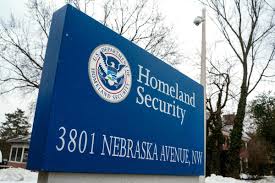

The U.S. Department of Homeland Security (DHS) is one of the most significant federal agencies in the United States government. Established in response to evolving national security concerns, DHS plays a critical role in protecting the country from a wide range of threats, including terrorism, cyberattacks, natural disasters, border security challenges, and transnational crime.
Since its creation in 2002, the Department of Homeland Security has grown into one of the largest government departments in the United States. Its responsibilities span multiple areas of public safety and national security, making it a central component of the nation’s defense and emergency response infrastructure.
The agency oversees numerous specialized organizations that work together to secure borders, protect critical infrastructure, facilitate lawful travel and trade, enforce immigration laws, strengthen cybersecurity, and respond to emergencies.
This article explores the history, mission, organizational structure, key responsibilities, achievements, challenges, and future of the U.S. Department of Homeland Security.
The Creation of the Department of Homeland Security
The Department of Homeland Security was officially established in November 2002 following the passage of the Homeland Security Act.
The creation of DHS was largely driven by the need to improve coordination among federal agencies responsible for protecting the United States after the terrorist attacks of September 11, 2001.
Prior to DHS, many security-related responsibilities were spread across various federal departments and agencies.
Lawmakers sought to create a centralized department that could coordinate efforts, improve information sharing, and strengthen national preparedness.
The Mission of DHS
The primary mission of the Department of Homeland Security is to safeguard the United States from threats while ensuring resilience against future challenges.
DHS focuses on several core objectives:
- Preventing terrorism
- Securing national borders
- Enforcing immigration laws
- Protecting critical infrastructure
- Strengthening cybersecurity
- Responding to disasters
- Facilitating lawful trade and travel
These responsibilities require cooperation among federal, state, local, tribal, territorial, and international partners.
Organizational Structure
DHS is composed of multiple agencies and operational components, each with specialized responsibilities.
Together, these organizations form one of the most comprehensive security networks in the federal government.
Major DHS components include:
- U.S. Customs and Border Protection (CBP)
- U.S. Immigration and Customs Enforcement (ICE)
- Federal Emergency Management Agency (FEMA)
- Transportation Security Administration (TSA)
- U.S. Citizenship and Immigration Services (USCIS)
- U.S. Secret Service
- Cybersecurity and Infrastructure Security Agency (CISA)
- U.S. Coast Guard
Customs and Border Protection
CBP is responsible for securing the nation’s borders while facilitating legitimate trade and travel.
Its duties include:
- Border security operations
- Customs inspections
- Trade enforcement
- Immigration screening
- Counter-smuggling efforts
CBP operates at ports of entry, airports, and land borders across the United States.
Immigration and Customs Enforcement
ICE plays a major role in enforcing immigration laws and investigating transnational criminal activity.
The agency conducts operations related to:
- Immigration enforcement
- Human trafficking investigations
- Drug smuggling cases
- Financial crimes
- National security investigations
ICE remains one of the most visible and frequently debated components of DHS.
Federal Emergency Management Agency
FEMA serves as the federal government’s primary disaster response organization.
Its mission includes helping communities prepare for, respond to, recover from, and mitigate disasters.
FEMA provides assistance during:
- Hurricanes
- Floods
- Wildfires
- Earthquakes
- Tornadoes
- Public health emergencies
The agency works closely with state and local governments during emergencies.
Transportation Security Administration
The TSA is responsible for transportation security throughout the United States.
Most Americans encounter TSA personnel at airports, where security screening procedures help protect passengers and transportation systems.
TSA responsibilities include:
- Airport screening
- Cargo security
- Transportation infrastructure protection
- Threat assessment programs
The agency plays a crucial role in maintaining aviation security.
Cybersecurity and Infrastructure Security Agency
As cyber threats continue to evolve, CISA has become increasingly important within DHS.
CISA focuses on protecting critical infrastructure from digital threats and cyberattacks.
Key responsibilities include:
- Cybersecurity monitoring
- Threat intelligence sharing
- Incident response coordination
- Infrastructure protection
- Election security support
The growing importance of cybersecurity has elevated CISA’s role in national security strategy.
The U.S. Secret Service
The Secret Service is widely known for protecting current and former presidents, vice presidents, and other designated officials.
However, the agency also investigates financial crimes, cyber fraud, and counterfeiting operations.
Its dual mission combines protective services with criminal investigations.
Homeland Security and Border Management
Border security remains one of DHS’s most visible responsibilities.
The department manages efforts to:
- Prevent illegal border crossings
- Combat human trafficking
- Intercept narcotics
- Enforce customs regulations
- Facilitate lawful immigration processes
Border policy continues to be a major topic of public and political discussion.
Counterterrorism Efforts
Preventing terrorism remains a central mission of DHS.
The department works with intelligence agencies, law enforcement organizations, and international partners to identify and disrupt potential threats.
Counterterrorism efforts involve:
- Threat analysis
- Intelligence sharing
- Infrastructure protection
- Public awareness initiatives
- Security assessments
These activities contribute to national preparedness and risk reduction.
Critical Infrastructure Protection
Modern societies depend heavily on critical infrastructure systems.
DHS helps protect sectors such as:
- Energy
- Transportation
- Healthcare
- Communications
- Water systems
- Financial services
Protecting these assets is essential for economic stability and public safety.
Challenges Facing DHS
The Department of Homeland Security faces numerous complex challenges.
These include:
- Evolving cyber threats
- Global terrorism concerns
- Natural disasters
- Migration pressures
- Infrastructure vulnerabilities
- Emerging technologies
Addressing these issues requires adaptability, innovation, and interagency cooperation.
The Role of Technology
Technology plays an increasingly important role in DHS operations.
Advanced technologies support:
- Border surveillance
- Cybersecurity defense
- Disaster response coordination
- Biometric identification systems
- Threat detection capabilities
Continued technological advancement is expected to shape future homeland security strategies.
The Future of Homeland Security
The security environment continues to evolve rapidly.
Future priorities may include:
- Artificial intelligence applications
- Enhanced cybersecurity measures
- Climate resilience planning
- Infrastructure modernization
- Cross-border cooperation
- Advanced emergency management systems
DHS will likely continue adapting its capabilities to address emerging risks and opportunities.
Conclusion
The U.S. Department of Homeland Security serves as a cornerstone of national security and public safety. Since its creation, DHS has brought together multiple agencies and responsibilities under a unified mission focused on protecting the United States from a broad range of threats.
From border security and immigration enforcement to disaster response and cybersecurity protection, the department’s work affects millions of people every day. As challenges continue to evolve, DHS remains a vital institution responsible for safeguarding critical infrastructure, supporting emergency preparedness, and enhancing national resilience.
Understanding the Department of Homeland Security provides valuable insight into how the United States addresses security, emergency management, and public safety in an increasingly complex world.





Leave a Reply