
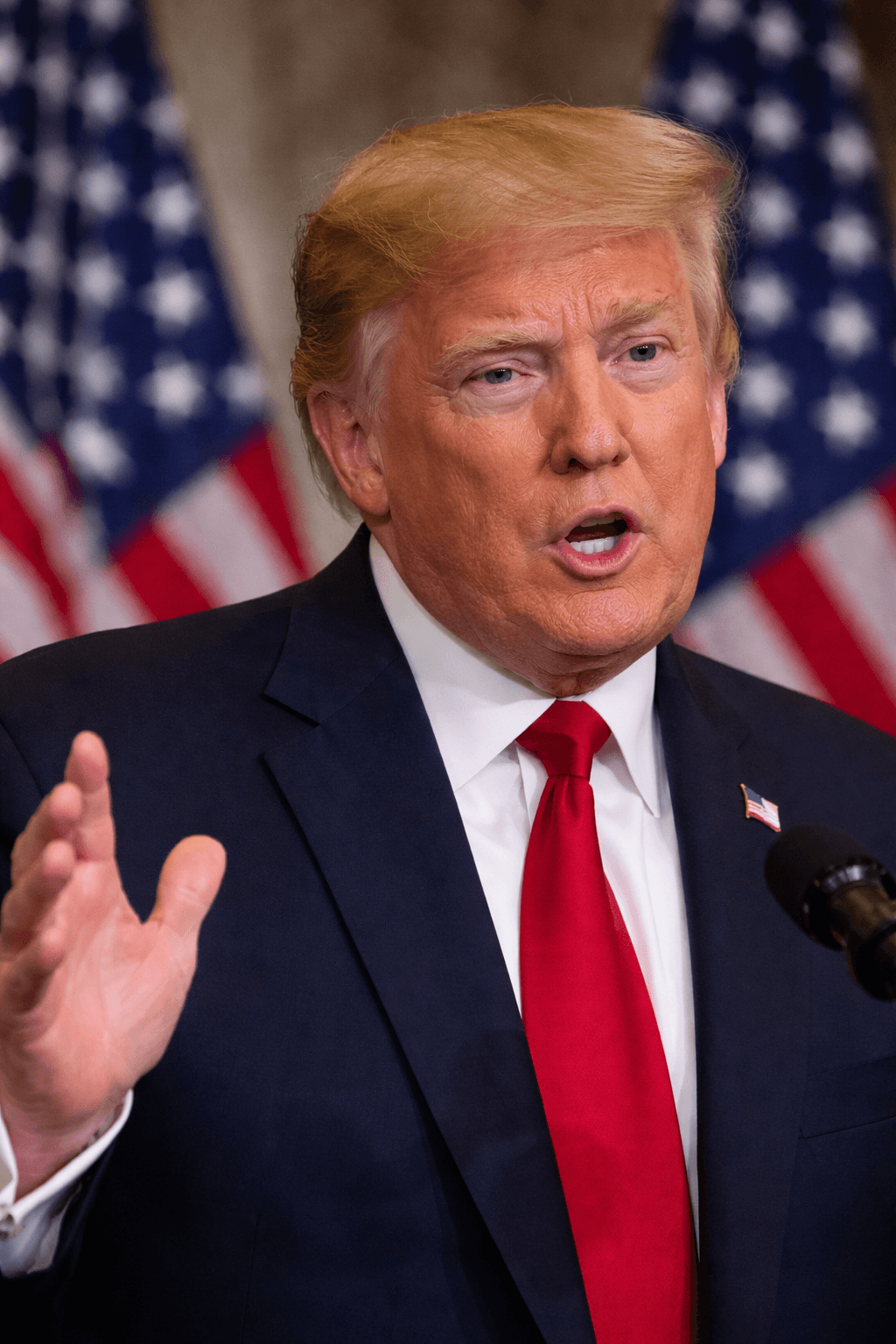

In a significant development that has captured global attention, former U.S. President Donald Trump has announced a temporary pause in military strikes targeting Iran’s energy infrastructure. The five-day halt comes after what he described as “very good and productive” talks between U.S. and Iranian officials, signaling a potential shift in the trajectory of escalating tensions in the Middle East.
This decision has sparked widespread debate among political analysts, diplomats, and international observers. While some see it as a hopeful step toward de-escalation, others remain cautious about the durability of such a pause given the longstanding complexities between the two nations.
The Announcement: A Strategic Pause
The announcement was made following a series of high-level discussions aimed at reducing hostilities in the region. According to Trump, the talks were constructive and opened the door for further diplomatic engagement. The pause in strikes, lasting five days, is intended to provide both sides with an opportunity to continue negotiations without the immediate pressure of ongoing military actions.
Trump emphasized that the decision does not indicate weakness but rather a strategic move to explore diplomatic solutions. “We’ve had very good talks, very productive talks,” he stated, suggesting optimism about the potential outcomes of continued dialogue.
The pause primarily affects operations targeting Iran’s energy infrastructure, which has been a focal point in recent confrontations. These facilities are vital to Iran’s economy, making them a key strategic target in any military campaign.
Background: Rising Tensions in the Middle East
In recent months, tensions between the United States and Iran have intensified dramatically. A series of military strikes, cyber operations, and retaliatory actions have contributed to an increasingly volatile environment. The targeting of energy infrastructure has been particularly significant, as it directly impacts Iran’s economic stability and global oil markets.
The United States has justified its actions as necessary measures to counter alleged Iranian aggression and to limit its regional influence. Iran, on the other hand, has condemned these strikes as violations of its sovereignty and has vowed to respond accordingly.
This cycle of action and reaction has raised concerns among international stakeholders, including European allies, neighboring countries, and global organizations. Many have called for restraint and a return to diplomatic engagement to prevent further escalation.
The Role of Diplomacy
The recent talks that led to the temporary pause are being viewed as a critical moment for diplomacy. While details of the discussions remain limited, officials from both sides have indicated that key issues were addressed, including security concerns, regional stability, and economic sanctions.
Diplomatic efforts have often faced challenges in the past, with negotiations breaking down over disagreements on nuclear policies and regional activities. However, the current pause suggests a renewed willingness to engage in dialogue, even if only temporarily.
Experts believe that sustained diplomatic engagement will be essential to achieving long-term stability. The five-day window may serve as a testing ground for both nations to demonstrate their commitment to peaceful resolution.
Global Reactions
The international community has responded with cautious optimism. Several world leaders have welcomed the pause, describing it as a positive step toward reducing tensions in a highly sensitive region.
The United Nations has also expressed support for continued dialogue, urging both parties to use this opportunity to build trust and avoid further conflict. Meanwhile, global markets have reacted to the news with slight stabilization, particularly in the energy sector, which has been highly sensitive to developments in the Middle East.
However, not all reactions have been positive. Some critics argue that the pause may be a temporary tactic rather than a genuine effort toward peace. They warn that without concrete agreements, the situation could quickly revert to confrontation once the five-day period ends.
Implications for Energy Markets
The pause in strikes on Iran’s energy infrastructure has significant implications for global energy markets. Iran is a major player in the oil industry, and disruptions to its production capabilities can have ripple effects worldwide.
In recent weeks, concerns over supply disruptions have contributed to fluctuations in oil prices. The announcement of a pause has helped ease some of these concerns, leading to a more stable outlook in the short term.
Analysts caution, however, that the situation remains fragile. Any resumption of hostilities could quickly reverse these gains, underscoring the importance of sustained diplomatic progress.
What Happens Next?
The next few days will be critical in determining the future of U.S.-Iran relations. The five-day pause provides a narrow window for further negotiations, and both sides will need to demonstrate flexibility and willingness to compromise.
Key questions remain unanswered: Will the talks lead to a longer-term ceasefire? Can both nations address their core disagreements? And will other regional actors support or hinder the process?
Observers will be closely monitoring developments, looking for signs of progress or setbacks. The outcome of this pause could have far-reaching implications not only for the Middle East but for global security and economic stability.
Conclusion
The decision to pause strikes on Iran’s energy infrastructure represents a moment of cautious hope in an otherwise tense geopolitical landscape. While the path forward is uncertain, the willingness to engage in dialogue offers a potential avenue for de-escalation.
Whether this pause leads to meaningful change will depend on the actions taken in the coming days. For now, the world watches and waits, hopeful that this brief window of calm can pave the way for a more stable and peaceful future.





Leave a Reply