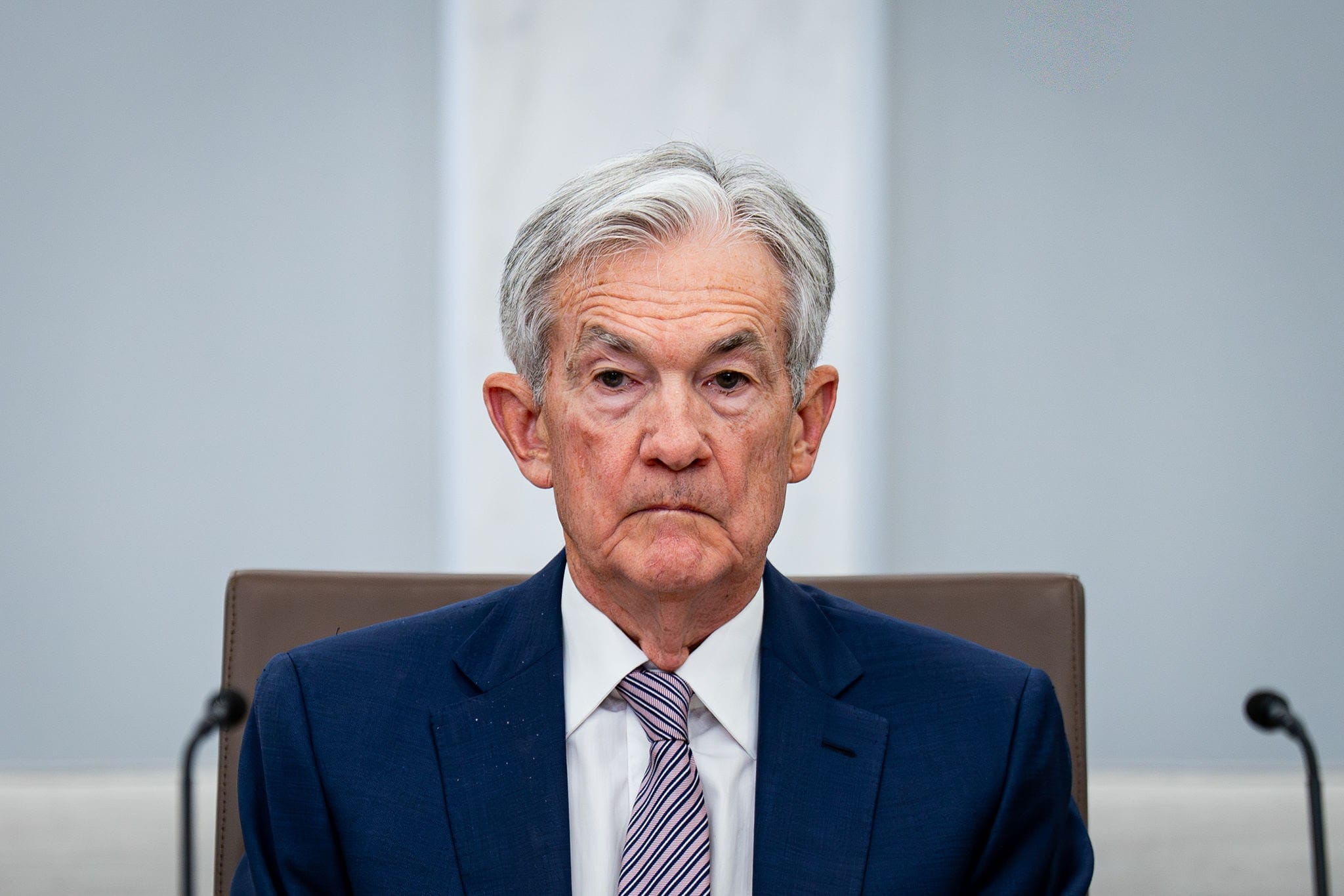

As of April 2026, the financial world is holding its breath. Jerome Powell, the man who steered the U.S. economy through a global pandemic and the most aggressive inflation hike in decades, is now at the center of a constitutional and political firestorm. With his term as Chair set to expire on May 15, 2026, the intersection of monetary policy, law, and presidential power has never been more volatile.
A Legacy Defined by Crisis
Jerome Powell’s tenure has been anything but conventional. Appointed by Donald Trump in 2018 and later reappointed by Joe Biden, Powell broke the 40-year tradition of Fed Chairs holding PhDs in Economics. Instead, the Princeton and Georgetown-educated lawyer brought a pragmatism forged in the fires of private equity and the Treasury Department.
His “Trial by Fire” came in 2020. As the COVID-19 pandemic shuttered the global economy, Powell unleashed the Fed’s full arsenal, slashing interest rates to near zero and pumping trillions into the financial system. While these moves were credited with preventing a second Great Depression, they also set the stage for the post-pandemic inflation surge that would define his second term.
The 2026 Standoff: Powell vs. The White House
The current tension stems from a direct collision between the Federal Reserve’s independence and the executive branch’s authority. President Trump has made no secret of his desire for a leadership change, nominating Kevin Warsh to succeed Powell. However, the path to May 15 is far from clear.
- The “Chair Pro Tempore” Maneuver: Powell has signaled that if the Senate does not confirm a successor by the deadline, he intends to remain as “chair pro tempore.” This move is designed to ensure stability but has drawn sharp criticism from the administration.
- The Board of Governors Factor: Even if he is replaced as Chair, Powell’s term as a member of the Board of Governors does not expire until January 31, 2028. This gives him a legal “fortress” from which he can continue to influence policy, much to the chagrin of his detractors.
The $2.5 Billion Cloud: Investigations and Allegations
Adding a layer of legal complexity is the ongoing Justice Department investigation into the renovation of the Marriner S. Eccles Federal Reserve Board Building. Critics allege that Powell misled Congress regarding the escalating costs of the project, which have ballooned to an estimated $2.5 billion.
“The independence of the Federal Reserve is not just a tradition; it is a requirement for a stable dollar and a functional economy.”
— Common refrain among Fed institutionalists
Powell’s supporters view these investigations as politically motivated attempts to force his resignation. Conversely, his critics argue that the Fed has become an “unaccountable fourth branch of government” that requires immediate oversight.
What This Means for Markets
For investors, the primary concern is uncertainty. The Federal Reserve’s ability to manage interest rates and control inflation relies heavily on market confidence. If the leadership transition is perceived as a “hostile takeover” or if the Fed’s independence is compromised, we could see significant volatility in Treasury yields and the value of the U.S. Dollar.
The Final Countdown to May 15
As the clock ticks toward May 15, several scenarios could unfold:
- The Clean Transition: Kevin Warsh is confirmed, and Powell exits gracefully to focus on his legal defense.
- The Legal Stalemate: Powell remains as chair pro tempore, leading to a historic court battle over the President’s power to fire the head of an independent agency.
- The Compromise: A temporary leadership structure is agreed upon while the DOJ investigation proceeds.
Conclusion
Jerome Powell’s career has been defined by his ability to remain calm under immense pressure. Whether he is navigating a global liquidity crisis or a direct confrontation with the President of the United States, his focus has remained on the Fed’s dual mandate of maximum employment and stable prices. However, his final chapter may not be written in economic data, but in a Washington, D.C. courtroom.
Stay tuned as we monitor the Senate confirmation hearings and the latest updates from the Eccles Building. The future of the American economy may very well depend on who is sitting in the Chair’s office come May 16.



Leave a Reply