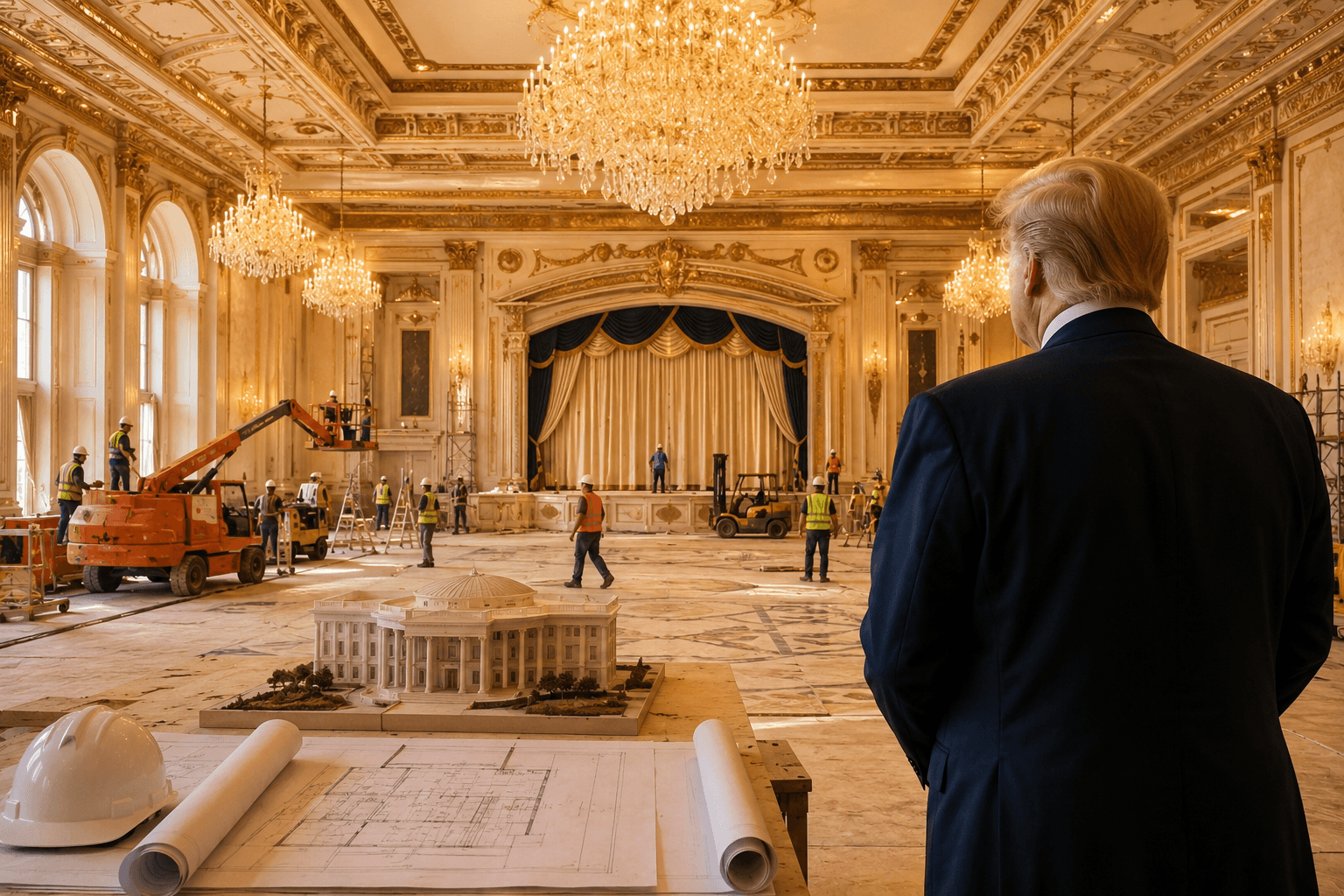

The debate surrounding the funding of the Trump ballroom project has become one of the most discussed political and financial controversies in recent times. Supporters view the ballroom proposal as a symbol of luxury, economic development, and modernization, while critics argue that the funding raises concerns about transparency, political influence, and the appropriate use of money connected to high-profile projects.
The controversy reflects a broader issue in modern politics: the relationship between private wealth, public influence, and large-scale development projects. Because former U.S. President Donald Trump remains one of the most polarizing political figures in the world, even projects connected to his name often attract intense scrutiny and public debate.
Background of the Ballroom Proposal
Ballrooms have long been associated with luxury hotels, political gatherings, business conferences, and elite social events. Donald Trump’s properties, including hotels and resorts, are known for their grand architecture and luxurious interiors. The proposed ballroom project aimed to expand event-hosting capabilities and create a venue capable of accommodating major political, social, and business events.
According to supporters, the ballroom project was intended to boost tourism, create jobs, and strengthen the prestige of the property. Advocates argued that such developments attract international attention and generate revenue through conferences, weddings, and corporate events.
However, controversy began when questions emerged regarding how the ballroom would be funded and whether any public resources or political influence were involved in the process.
The Core Funding Debate
At the center of the controversy is the issue of financial responsibility. Critics questioned whether taxpayers, political donors, or government-related incentives could indirectly support a private luxury project connected to a politically influential figure.
Opponents argued that luxury developments tied to wealthy individuals should rely entirely on private funding. They expressed concern that any public assistance, tax benefits, or favorable treatment could create ethical conflicts and blur the line between business interests and political power.
Supporters countered that many large development projects receive tax incentives or economic support because they stimulate local economies. They argued that targeting the Trump project specifically reflected political bias rather than genuine concern about development policies.
Political Dimensions of the Controversy
The Trump ballroom funding debate quickly became political because Donald Trump remains a dominant figure in American politics. Every business project connected to his name tends to divide public opinion along political lines.
Trump supporters viewed criticism of the ballroom project as another attempt to attack the former president and his business empire. Many argued that Trump-branded properties have historically contributed to tourism, employment, and economic activity.
Meanwhile, critics believed the project represented a larger pattern in which wealthy political figures may benefit from influence, branding power, and public attention. They argued that democratic systems must ensure fairness and prevent favoritism regardless of political identity.
Public Opinion and Media Coverage
Media coverage played a significant role in shaping public perception of the debate. News outlets analyzed financial documents, political reactions, and statements from both supporters and opponents. Social media platforms amplified discussions, turning the issue into a nationwide conversation.
Some media organizations framed the ballroom project as an example of economic opportunity and business expansion. Others focused on ethical concerns, questioning whether transparency standards were sufficient.
Public opinion remained sharply divided. Supporters praised the project as a symbol of ambition and private-sector success, while critics worried about accountability and the growing influence of wealthy political figures in public life.
Economic Arguments Supporting the Project
Advocates of the ballroom proposal emphasized potential economic benefits. Large event venues can create jobs in construction, hospitality, catering, tourism, and event management. Supporters argued that the ballroom would attract high-profile conferences, weddings, and international visitors, bringing additional revenue to local businesses.
Economic supporters also claimed that luxury developments often improve surrounding infrastructure and increase property values in nearby areas. From this perspective, the ballroom project represented an investment in economic growth rather than a political controversy.
Additionally, proponents pointed out that tax incentives for development projects are common across many industries. Cities and states frequently offer financial benefits to encourage investment and job creation.
Ethical and Transparency Concerns
Despite the economic arguments, critics remained concerned about ethics and transparency. Questions emerged regarding who would ultimately benefit from the project and whether political connections played a role in obtaining approvals or financial advantages.
Transparency advocates argued that any project connected to influential political figures should face strict public scrutiny. They emphasized the importance of clear financial disclosures, ethical oversight, and accountability to avoid conflicts of interest.
Some critics also argued that luxury developments often prioritize elite interests over broader community needs. They questioned whether resources connected to such projects could be better directed toward public services such as education, housing, or healthcare.
The Role of Branding and Image
The Trump brand itself played a central role in the debate. Trump properties are often associated with luxury, exclusivity, and political symbolism. Supporters see the brand as representing success and prestige, while critics view it as controversial and politically divisive.
Because branding influences public perception, the ballroom project became more than just a construction proposal. It evolved into a symbolic debate about wealth, power, and political identity in America.
For many observers, the controversy reflected broader concerns about celebrity politics and the increasing overlap between business branding and political influence.
Impact on Local Communities
Local communities often play an important role in debates surrounding large development projects. Supporters within the community may welcome new jobs, tourism opportunities, and infrastructure improvements. Restaurants, hotels, transportation services, and nearby businesses could benefit from increased visitor activity.
On the other hand, some residents may worry about rising property costs, traffic congestion, environmental concerns, or changes to community identity. In highly political projects, local debates can become emotionally charged and deeply polarized.
The Trump ballroom discussion highlighted how development projects can have both economic opportunities and social consequences, depending on how they are managed and perceived.
Broader Implications for Politics and Business
The ballroom funding debate reflects a larger global issue: the relationship between political influence and private business interests. In democratic societies, maintaining public trust requires transparency, fairness, and accountability in all major projects.
Critics argue that when political figures maintain strong business connections, it becomes difficult to separate public service from personal financial interests. Supporters, however, believe successful business leaders bring valuable economic expertise and investment opportunities.
This tension is not unique to Donald Trump. Around the world, wealthy political figures often face scrutiny regarding their financial relationships, development projects, and influence over public institutions.
The Future of the Debate
As discussions continue, the future of the ballroom project will likely depend on financial transparency, public opinion, and political developments. Regulatory reviews, media investigations, and community responses may shape whether the project moves forward smoothly or remains controversial.
The debate may also influence how future projects connected to political figures are evaluated. Governments and regulatory agencies could face increasing pressure to ensure ethical standards and transparency in development agreements.
Regardless of the outcome, the Trump ballroom funding controversy has already become a significant example of how politics, business, media, and public opinion intersect in modern society.
Conclusion
The Trump ballroom funding debate is about far more than a luxury event space. It represents larger questions about political influence, economic development, ethics, transparency, and public trust. Supporters see the project as a business opportunity capable of creating jobs and boosting tourism, while critics view it as a symbol of potential conflicts between private wealth and political power.
In democratic societies, public scrutiny of major projects connected to influential figures is both common and necessary. Whether viewed as a legitimate economic investment or a controversial political issue, the ballroom debate demonstrates the complex relationship between leadership, branding, money, and public accountability in the modern world.





Leave a Reply