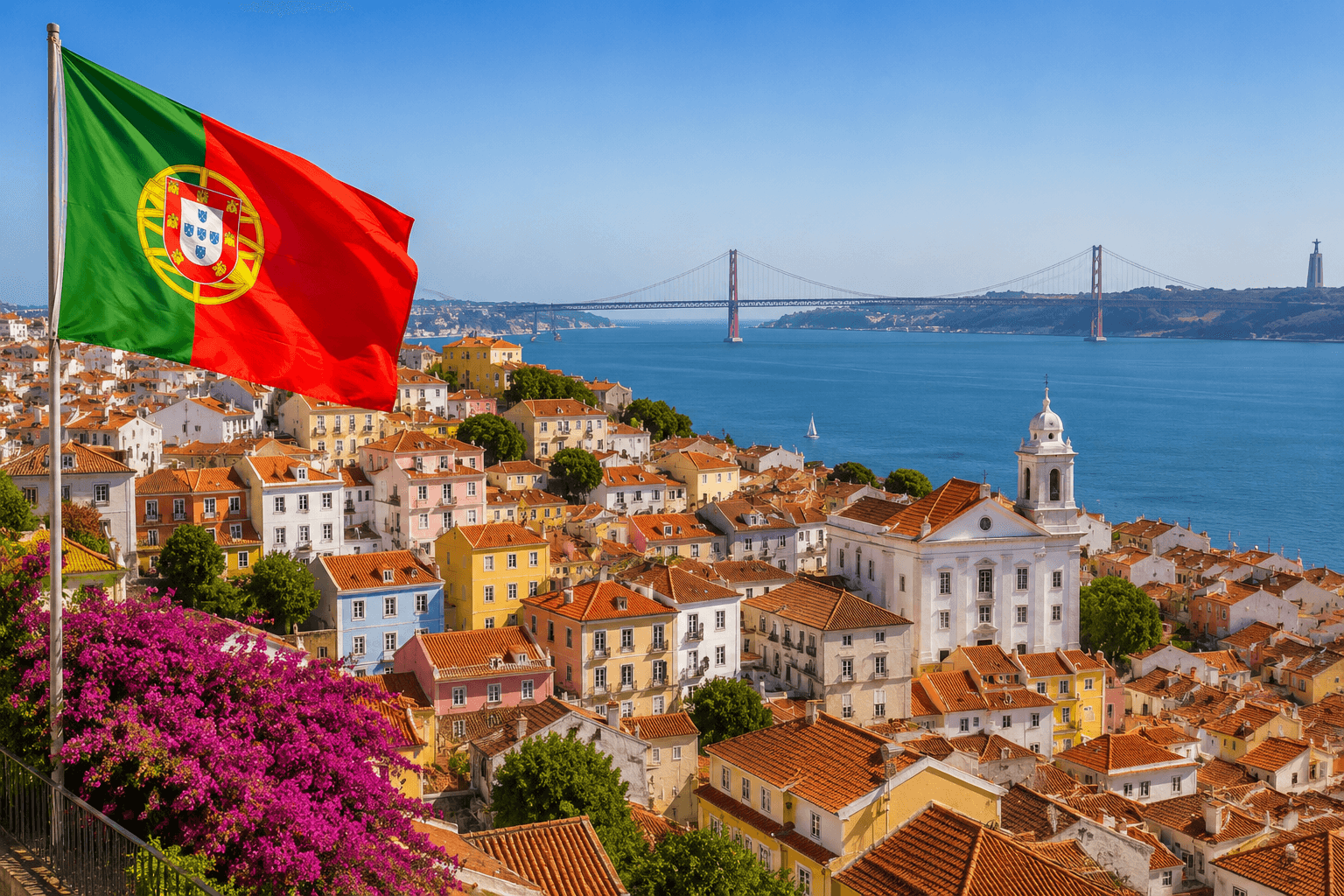

Portugal is one of Europe’s most fascinating destinations, known for its rich history, beautiful coastline, colorful cities, and warm hospitality. Located on the western edge of the Iberian Peninsula, Portugal has played a major role in world exploration, trade, and cultural development for centuries.
Despite being one of the smaller countries in Europe, Portugal has had an enormous global influence. From the Age of Discovery to modern tourism, the country continues to attract millions of visitors each year with its historic architecture, delicious cuisine, scenic landscapes, and relaxed lifestyle.
Portugal combines old-world charm with modern European culture. Whether exploring the narrow streets of Lisbon, enjoying the beaches of the Algarve, tasting world-famous port wine in Porto, or discovering ancient castles and villages, travelers often find Portugal both welcoming and unforgettable.
In recent years, Portugal has become increasingly popular not only among tourists but also among digital nomads, retirees, investors, and international students seeking a high quality of life.
The Geography of Portugal
Portugal is located in southwestern Europe and shares its only land border with Spain. The country also has a long Atlantic Ocean coastline, which has shaped its history, economy, and culture.
Portugal’s geography includes mountains, rolling plains, vineyards, rivers, and beautiful beaches. The country is divided into several regions, each with its own unique identity and traditions.
The northern region is known for green landscapes, historical towns, and wine production, while central Portugal features mountain ranges and medieval villages. Southern Portugal, especially the Algarve region, is famous for sunny weather and stunning beaches.
Portugal also includes the Atlantic island regions of Madeira and the Azores. These islands are known for volcanic landscapes, lush vegetation, and natural beauty.
The country’s mild Mediterranean climate makes it an attractive destination throughout most of the year.
A Rich History of Exploration
Portugal’s history is deeply connected to exploration and maritime discovery. During the 15th and 16th centuries, Portuguese explorers traveled across Africa, Asia, and South America, helping establish one of the world’s first global empires.
Famous explorers such as Vasco da Gama and Ferdinand Magellan played important roles in expanding global trade routes and navigation.
The Portuguese Age of Discovery transformed world history by connecting continents and introducing new cultural and economic exchanges. Portuguese influence spread to regions including Brazil, parts of Africa, India, and Southeast Asia.
Lisbon became one of Europe’s wealthiest and most important ports during this period. Trade in spices, gold, and other goods brought immense prosperity to the country.
Although Portugal’s empire eventually declined, its historical legacy remains visible in architecture, language, culture, and international relationships around the world.
Lisbon: The Capital City
Lisbon, the capital of Portugal, is one of Europe’s oldest and most vibrant cities. Built across seven hills overlooking the Tagus River, Lisbon combines historical charm with modern urban life.
The city is famous for its colorful buildings, historic trams, scenic viewpoints, and lively neighborhoods. Areas such as Alfama, Bairro Alto, and Belém attract visitors with narrow streets, music, cafés, and historical landmarks.
One of Lisbon’s most famous traditions is Fado music, a deeply emotional style of singing associated with Portuguese culture and history.
Landmarks such as Belém Tower, Jerónimos Monastery, and São Jorge Castle reflect Portugal’s maritime heritage and architectural beauty.
In recent years, Lisbon has become a major hub for technology startups, tourism, and international business. The city’s growing global reputation has attracted entrepreneurs, remote workers, and investors from around the world.
Porto and Northern Portugal
Porto, Portugal’s second-largest city, is another cultural and historical treasure. Located along the Douro River, Porto is internationally famous for port wine production.
The city’s historic center, with its colorful riverside buildings and narrow streets, is recognized as a UNESCO World Heritage Site.
Visitors often explore wine cellars, historic churches, bridges, and local markets while enjoying the city’s relaxed atmosphere.
The Douro Valley surrounding Porto is one of the world’s oldest wine-producing regions. Terraced vineyards along the river create some of the most beautiful landscapes in Europe.
Northern Portugal is also known for strong regional traditions, traditional cuisine, and historical towns that preserve centuries of Portuguese heritage.
Portuguese Cuisine
Portuguese cuisine is an important part of the country’s identity. Influenced by the sea, Mediterranean ingredients, and historical trade routes, Portuguese food is known for fresh flavors and comforting dishes.
Seafood plays a major role in Portuguese cooking. Codfish, known locally as bacalhau, is one of the country’s most famous traditional foods and is prepared in countless ways.
Other popular dishes include grilled sardines, octopus, seafood rice, and roasted meats.
Portugal is also famous for pastries and desserts. The pastel de nata, a creamy custard tart, has become internationally recognized and remains one of the country’s most beloved treats.
Wine culture is equally important. Portugal produces a wide variety of wines, including port wine, vinho verde, and rich red wines from regions like Alentejo and Douro.
The Algarve and Coastal Tourism
The Algarve region in southern Portugal is one of Europe’s most popular tourist destinations. Known for golden beaches, dramatic cliffs, and sunny weather, the Algarve attracts millions of visitors every year.
Coastal towns such as Lagos, Albufeira, Faro, and Portimão offer beautiful beaches, nightlife, golf resorts, and seafood restaurants.
The region is especially popular among retirees and international travelers seeking a relaxed lifestyle and warm climate.
In addition to beach tourism, the Algarve also offers hiking trails, boat tours, caves, and water sports activities.
The tourism industry plays a major role in Portugal’s economy, and the country consistently ranks among the world’s top travel destinations.
Culture and Traditions
Portuguese culture reflects a blend of historical influences, regional traditions, and strong community values.
Family plays an important role in Portuguese society, and traditional festivals remain central to local communities.
Religious celebrations, music festivals, and public gatherings are common throughout the year. Many towns host colorful events featuring traditional costumes, food, dance, and live music.
Football is another major part of Portuguese culture. The country has produced some of the world’s most famous football players, including Cristiano Ronaldo.
Portuguese people are often known for their hospitality, relaxed lifestyle, and appreciation for good food and social gatherings.
Portugal’s Modern Economy
Portugal has developed significantly over recent decades. While agriculture and fishing were historically important industries, the modern economy now includes tourism, technology, renewable energy, manufacturing, and international trade.
The country is increasingly recognized as a technology and startup destination, especially in Lisbon and Porto. International conferences and innovation events have helped strengthen Portugal’s global business profile.
Renewable energy has also become a major focus. Portugal has invested heavily in solar, wind, and hydroelectric energy as part of broader environmental and sustainability goals.
Despite economic progress, the country still faces challenges related to wages, housing costs, and population aging.
However, Portugal continues attracting international investment and remains one of Europe’s fastest-growing tourism and relocation destinations.
Why People Love Portugal
Portugal’s global popularity continues growing because it offers a combination of affordability, safety, natural beauty, and cultural richness.
Many visitors appreciate the country’s slower pace of life compared to larger European cities. Others are attracted by the mild climate, ocean views, and welcoming atmosphere.
Portugal is often ranked highly for quality of life, healthcare, safety, and retirement opportunities.
The country also appeals to remote workers and digital nomads because of reliable infrastructure, growing international communities, and relatively affordable living costs compared to other Western European countries.
Whether someone visits for history, beaches, food, or business opportunities, Portugal offers experiences that appeal to a wide variety of travelers and residents.
Conclusion
Portugal is a country where history, culture, and natural beauty come together in remarkable ways. From its role in global exploration to its modern reputation as a leading travel and lifestyle destination, Portugal continues capturing the attention of people around the world.
Its charming cities, stunning coastlines, rich traditions, and welcoming culture make it one of Europe’s most attractive countries to visit and explore.
Whether walking through the historic streets of Lisbon, tasting wine in Porto, relaxing on Algarve beaches, or discovering hidden villages in the countryside, visitors often find Portugal both peaceful and inspiring.
As tourism, technology, and international interest continue growing, Portugal’s influence and popularity are likely to remain strong for many years to come.





Leave a Reply