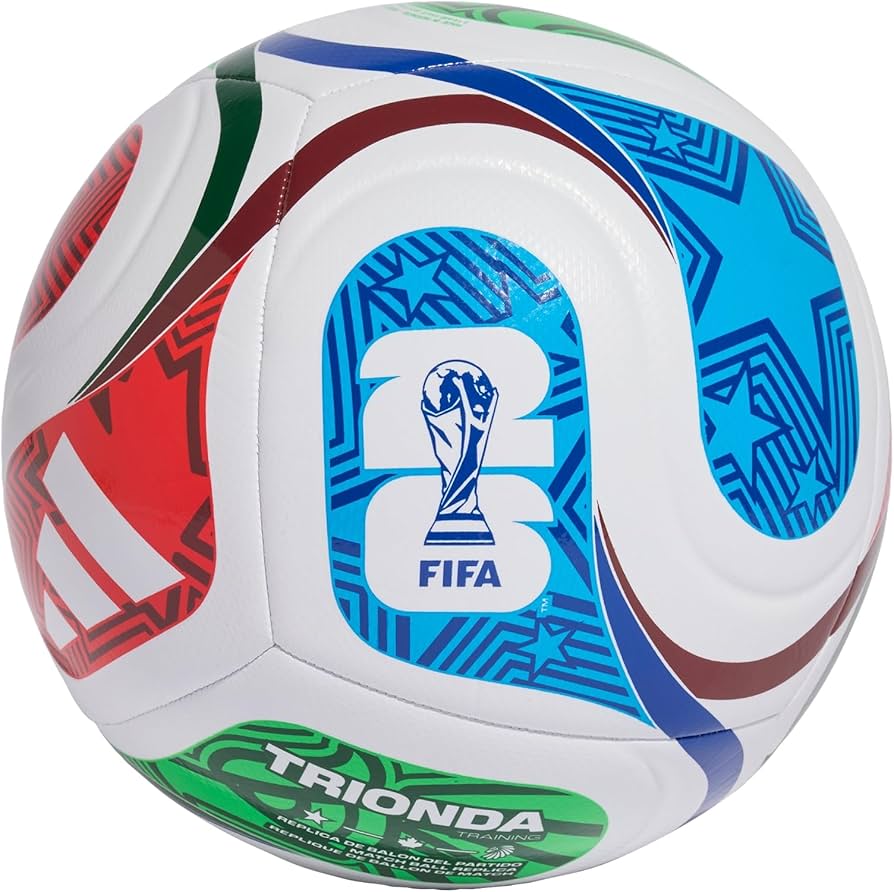

The FIFA World Cup is widely regarded as the most prestigious and celebrated tournament in international football. Every four years, the competition brings together the best national teams from around the globe to compete for the sport’s ultimate prize. With billions of viewers, passionate supporters, unforgettable moments, and legendary players, the FIFA World Cup has become one of the most significant sporting events in human history.
Since its inception in 1930, the tournament has evolved from a modest international competition into a global phenomenon that unites people across cultures, languages, and continents. The World Cup represents more than football; it symbolizes national pride, sporting excellence, and the universal appeal of the beautiful game.
From iconic goals and dramatic penalty shootouts to historic upsets and championship triumphs, the FIFA World Cup continues to capture the imagination of fans worldwide.
The Origins of the FIFA World Cup
The idea of a global football championship emerged during the early twentieth century as the sport gained popularity around the world.
In 1930, FIFA organized the first World Cup in Uruguay. Thirteen nations participated in the inaugural tournament, and Uruguay became the first champion by defeating Argentina in the final.
The success of the event established the foundation for what would eventually become the world’s most watched sporting competition.
Despite interruptions caused by World War II, the tournament continued to grow in popularity and prestige.
How the FIFA World Cup Works
The FIFA World Cup is contested by national teams representing countries from every continent.
Before reaching the tournament, teams must navigate a lengthy qualification process organized by regional football confederations.
The competition generally includes:
- Qualification rounds
- Group stage matches
- Knockout rounds
- Quarterfinals
- Semifinals
- The World Cup Final
The format ensures that only the strongest and most consistent teams earn the opportunity to compete for the championship.
The Importance of Qualification
Qualifying for the FIFA World Cup is a major achievement for any nation.
Many countries spend years preparing for qualification campaigns, knowing that participation can transform football within their nation.
For smaller footballing nations, reaching the World Cup often represents a historic milestone and a source of immense national pride.
The qualification process itself frequently produces memorable matches and dramatic storylines.
Legendary World Cup Champions
Throughout history, several nations have established themselves as football powerhouses through their World Cup success.
Among the most successful countries are:
- Brazil
- Germany
- Italy
- Argentina
- France
- Uruguay
These nations have consistently produced world-class players and memorable performances on football’s biggest stage.
Their achievements have helped shape the history of the tournament.
Brazil’s World Cup Legacy
Brazil holds a special place in World Cup history.
Known for its attacking style, technical brilliance, and footballing culture, Brazil has produced some of the greatest players the sport has ever seen.
Legends such as Pelé, Ronaldo, Ronaldinho, Rivaldo, Romário, and Neymar have contributed to Brazil’s global reputation as a football powerhouse.
The nation’s World Cup success has inspired generations of players and supporters worldwide.
Iconic World Cup Players
The FIFA World Cup has provided a platform for many of football’s greatest legends.
Players who have left a lasting impact include:
- Pelé
- Diego Maradona
- Zinedine Zidane
- Ronaldo Nazário
- Lionel Messi
- Cristiano Ronaldo
- Miroslav Klose
These players have delivered unforgettable performances that continue to be celebrated by football fans across generations.
Memorable World Cup Moments
The history of the FIFA World Cup is filled with unforgettable moments.
Some of the most famous include:
- Maradona’s “Goal of the Century”
- Pelé’s brilliance in 1958 and 1970
- France’s 1998 home triumph
- Spain’s tiki-taka dominance in 2010
- Germany’s dramatic victories
- Argentina’s championship success in 2022
These moments have become part of football folklore and continue to inspire fans worldwide.
The Role of Technology
Modern World Cups increasingly utilize advanced technology to improve fairness and accuracy.
Innovations include:
- Video Assistant Referee (VAR)
- Goal-line technology
- Player performance tracking
- Advanced analytics
- Enhanced broadcasting systems
These technologies help officials make more accurate decisions while improving the viewing experience for fans.
Economic Impact of the World Cup
Hosting a FIFA World Cup can have a significant economic impact.
Host nations often invest heavily in:
- Stadium construction
- Transportation infrastructure
- Tourism development
- Urban improvement projects
- Hospitality services
The tournament attracts millions of visitors and generates substantial economic activity through tourism and global exposure.
Cultural Significance
The FIFA World Cup extends beyond sport.
It serves as a cultural event that brings together people from diverse backgrounds and nationalities.
Supporters celebrate their traditions, share experiences, and participate in a global festival of football.
The tournament often creates moments of unity and shared excitement that transcend political and cultural differences.
World Cup Rivalries
Several rivalries have become central to the World Cup experience.
Historic matchups include:
- Brazil vs Argentina
- Germany vs Argentina
- England vs Germany
- France vs Italy
- Netherlands vs Germany
These encounters often generate enormous anticipation and deliver memorable contests.
The Growth of Global Football
The World Cup has played a major role in expanding football’s popularity worldwide.
Nations from Asia, Africa, North America, and the Middle East have increasingly challenged traditional football powers.
This growing competitiveness reflects the globalization of football and the development of talent across every region.
The tournament continues to showcase the sport’s universal appeal.
The Future of the FIFA World Cup
The future of the World Cup appears brighter than ever.
Expanding participation, technological innovation, and growing international interest are helping the tournament reach new audiences.
Future competitions are expected to feature:
- More participating nations
- Enhanced fan experiences
- Advanced broadcasting technology
- Greater global accessibility
- Continued competitive balance
The tournament will likely remain the pinnacle of international football for generations to come.
Why Fans Love the World Cup
The FIFA World Cup offers a unique combination of drama, passion, and unpredictability.
Unlike club football, players represent their nations, creating emotional connections that resonate deeply with supporters.
Every match carries enormous significance, and even underdogs can produce historic upsets.
This unpredictability is one of the reasons the tournament remains so captivating.
Conclusion
The FIFA World Cup is more than just a football tournament—it is a global celebration of sport, culture, and human achievement. For nearly a century, it has provided unforgettable memories, showcased extraordinary talent, and united billions of fans around the world.
From legendary champions and iconic goals to emerging nations and future stars, the World Cup continues to represent the highest level of international football. As the tournament evolves and expands, its influence on the sport and global culture will remain unmatched.
Whether watching from a stadium, a television screen, or a local gathering with friends, fans everywhere understand one thing: when the FIFA World Cup begins, the entire world watches.





Leave a Reply