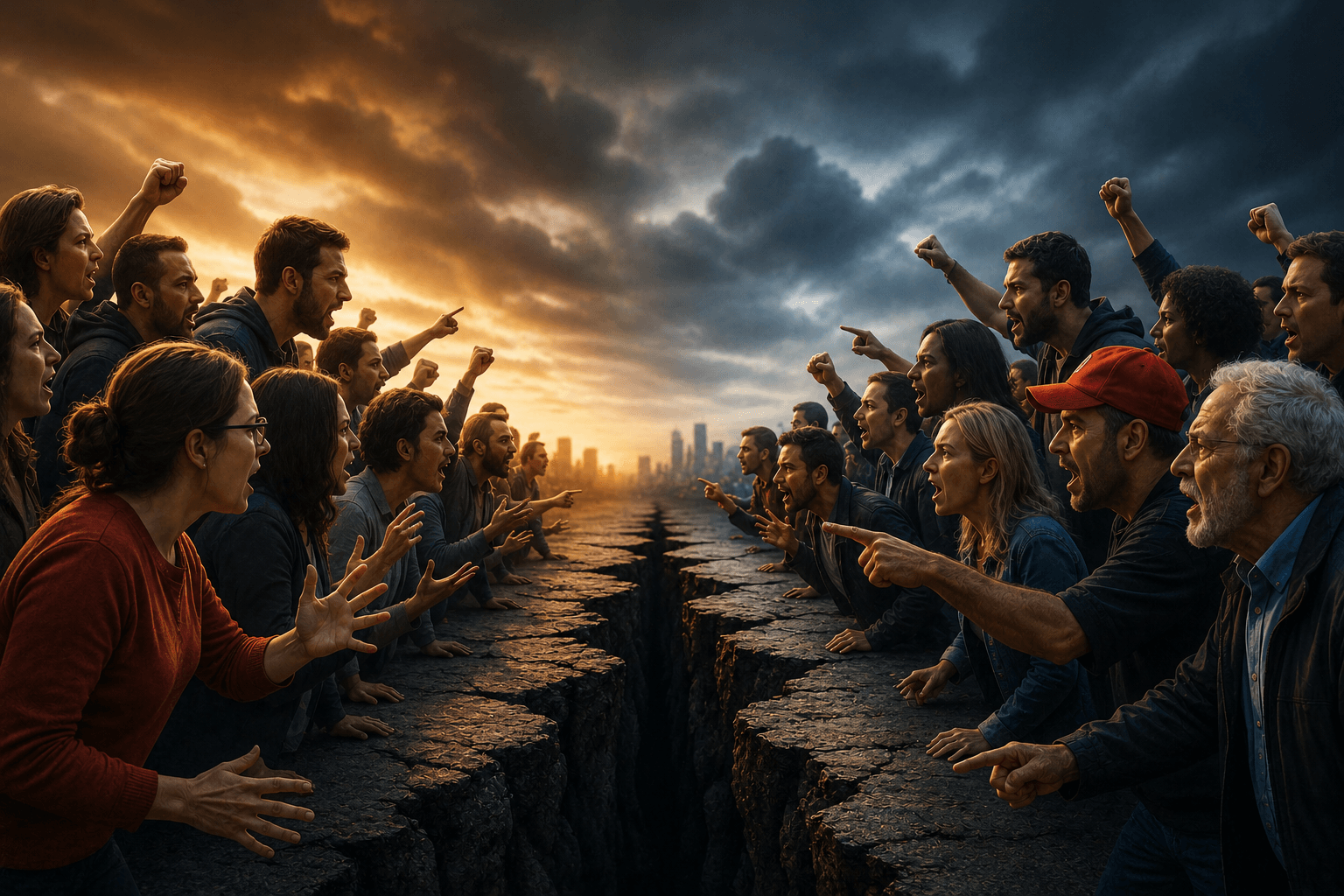

The term “culture war” has become increasingly common in political discussions, media coverage, and public debates around the world. It refers to conflicts between groups with differing values, beliefs, and visions for society. Unlike traditional political disputes that focus primarily on economic policy or government spending, culture wars center on issues involving identity, morality, social norms, education, religion, and cultural change.
In recent decades, culture wars have become a defining feature of public discourse in many countries. Supporters on different sides often view these debates as fundamental struggles over the future direction of society. As technology, demographics, and social attitudes continue to evolve, culture wars remain a powerful force influencing politics, institutions, and everyday life.
This article explores the origins of culture wars, major issues involved, the role of media, political implications, societal effects, and the future of these ongoing debates.
What Is a Culture War?
A culture war refers to a conflict between groups that hold competing cultural values and beliefs. These disagreements often involve questions about morality, social norms, national identity, and the role of institutions.
Unlike debates over taxation or infrastructure, culture war issues are often deeply connected to personal identities and core beliefs. As a result, they can generate strong emotions and intense public engagement.
Culture wars typically emerge when societies experience significant social, technological, or demographic changes that challenge established traditions and expectations.
The Origins of the Term
The phrase “culture war” gained widespread attention during the late twentieth century. It was used to describe conflicts between groups with differing views on religion, family values, education, and social policy.
Although the term became particularly prominent in the United States, similar cultural conflicts have appeared throughout history and across many societies.
As nations modernize and become more diverse, disagreements over cultural values often become more visible in public life.
Key Issues in Modern Culture Wars
Culture wars can involve a wide range of topics, depending on the country and historical context.
Common issues include:
- Education and school curriculum
- Freedom of speech
- Religious expression
- Gender and identity debates
- Immigration and national identity
- Media representation
- Historical interpretation
- Technology and social media influence
These topics often become focal points for broader debates about societal values and cultural direction.
The Role of Education
Education frequently serves as a major battleground in culture wars.
Discussions about curriculum content, historical interpretation, civic education, and classroom policies often reflect larger societal disagreements.
Parents, educators, policymakers, and advocacy groups may have differing opinions regarding what students should learn and how schools should address controversial topics.
As a result, educational institutions often become central to cultural debates.
Religion and Cultural Values
Religion continues to play an important role in many culture war discussions.
Questions regarding the role of faith in public life, religious freedom, and moral values frequently generate debate.
For some individuals, religious beliefs provide the foundation for their positions on social issues. Others advocate for a more secular approach to public policy and governance.
The balance between religious expression and secular institutions remains an ongoing topic of discussion.
Identity and Social Change
Rapid social changes have contributed significantly to modern culture wars.
Discussions involving identity, diversity, inclusion, and representation often reflect broader societal transformations.
Supporters of cultural change may emphasize equality, recognition, and social progress, while critics may express concerns about preserving traditions and established norms.
These differing perspectives contribute to ongoing public debates.
The Impact of Social Media
Social media has dramatically transformed how culture wars unfold.
Platforms allow individuals to share opinions instantly, engage in public debates, and organize around specific causes.
While social media increases access to information and participation, it can also amplify polarization and encourage confrontational interactions.
Algorithms that prioritize engagement may sometimes intensify disagreements and increase visibility for controversial content.
Media and Public Opinion
Traditional and digital media play important roles in shaping public understanding of cultural issues.
News organizations, commentators, influencers, and content creators often frame debates in ways that influence audience perceptions.
Different media outlets may emphasize particular perspectives, contributing to varying interpretations of the same events.
As media consumption becomes increasingly fragmented, audiences may encounter very different narratives about cultural controversies.
Political Consequences
Culture wars have become closely linked with modern politics.
Political parties frequently address cultural issues alongside economic and policy concerns. Candidates may use culture war topics to mobilize supporters, attract media attention, and define campaign messages.
As cultural debates become more prominent, they can influence election outcomes and legislative priorities.
Many voters increasingly consider cultural values when evaluating political candidates and parties.
Polarization and Division
One criticism of culture wars is that they can contribute to social polarization.
When individuals view political opponents as cultural adversaries rather than fellow citizens with differing views, constructive dialogue may become more difficult.
Polarization can reduce trust in institutions, increase political hostility, and make compromise harder to achieve.
Addressing these challenges often requires efforts to promote respectful discussion and mutual understanding.
The Influence of Technology
Technological innovation continues to create new cultural debates.
Artificial intelligence, digital privacy, online content moderation, and emerging communication tools raise questions about ethics, freedom, and societal responsibility.
As technology evolves, new culture war issues are likely to emerge alongside existing disputes.
Policymakers and citizens alike must navigate the complex relationship between innovation and cultural values.
Generational Differences
Generational change often influences culture war debates.
Younger generations may hold different attitudes toward social issues compared to older generations, reflecting changes in education, technology, and life experiences.
These differences can shape public opinion, voting behavior, and cultural trends.
However, generational perspectives are rarely uniform, and individuals within age groups may hold diverse views.
Global Perspectives on Culture Wars
Although culture wars are often associated with specific countries, similar debates occur around the world.
Different societies face unique cultural challenges shaped by history, religion, political systems, and demographic change.
Globalization and digital communication have increased awareness of cultural debates occurring in other nations, sometimes influencing domestic discussions.
This interconnectedness contributes to the international dimension of modern culture wars.
Can Common Ground Be Found?
Despite intense disagreements, many observers believe that common ground remains possible.
Constructive dialogue often begins with recognizing shared goals, such as social stability, economic opportunity, public safety, and respect for human dignity.
Listening to different perspectives and focusing on practical solutions may help reduce tensions and encourage cooperation.
While complete agreement may be unlikely, respectful engagement can improve public discourse.
The Future of Culture Wars
Culture wars are unlikely to disappear in the near future.
Rapid technological change, evolving social norms, demographic shifts, and global interconnectedness will continue to generate new debates.
Future conflicts may focus increasingly on artificial intelligence, digital identity, information integrity, and emerging ethical questions.
How societies manage these discussions will play a significant role in shaping political and cultural development.
Conclusion
Culture wars represent some of the most important and challenging debates in modern society. They reflect disagreements over values, identity, tradition, and the future direction of communities and nations.
While these conflicts can contribute to polarization and political tension, they also highlight the diversity of perspectives that exist within democratic societies. Understanding the origins, issues, and impacts of culture wars can help citizens engage more thoughtfully in public discussions and contribute to a healthier civic environment.
As societies continue to evolve, culture wars will remain a significant force influencing politics, institutions, media, and everyday life around the world.




Leave a Reply