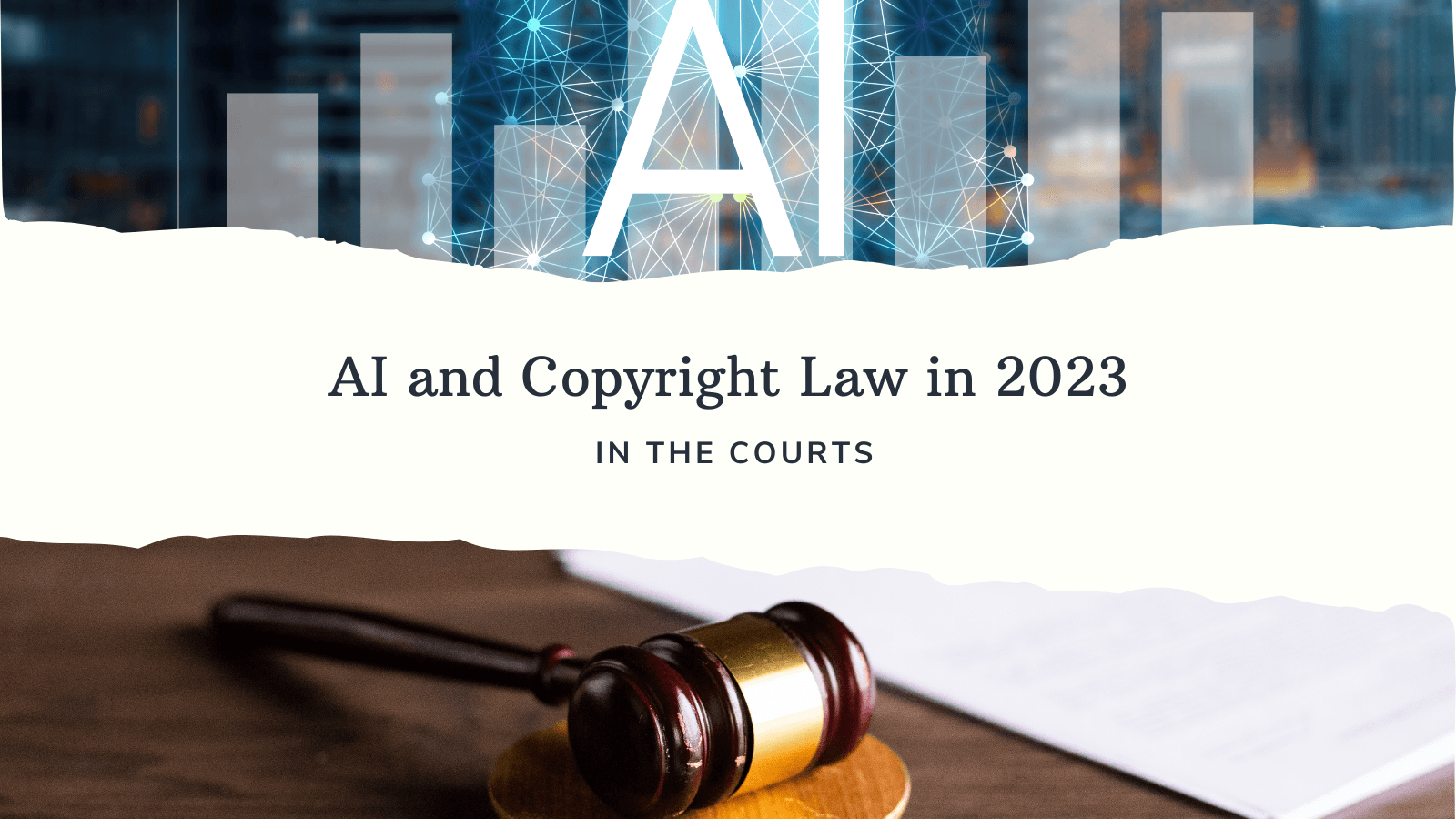

For years, generative AI companies have operated under the assumption that scraping the internet to train their models falls under the legal protection of “fair use.” In 2026, that assumption is facing its ultimate stress test. U.S. federal courts are currently delivering a wave of landmark rulings that will determine whether AI giants owe billions to the creators, authors, and artists who unknowingly fueled their algorithms.
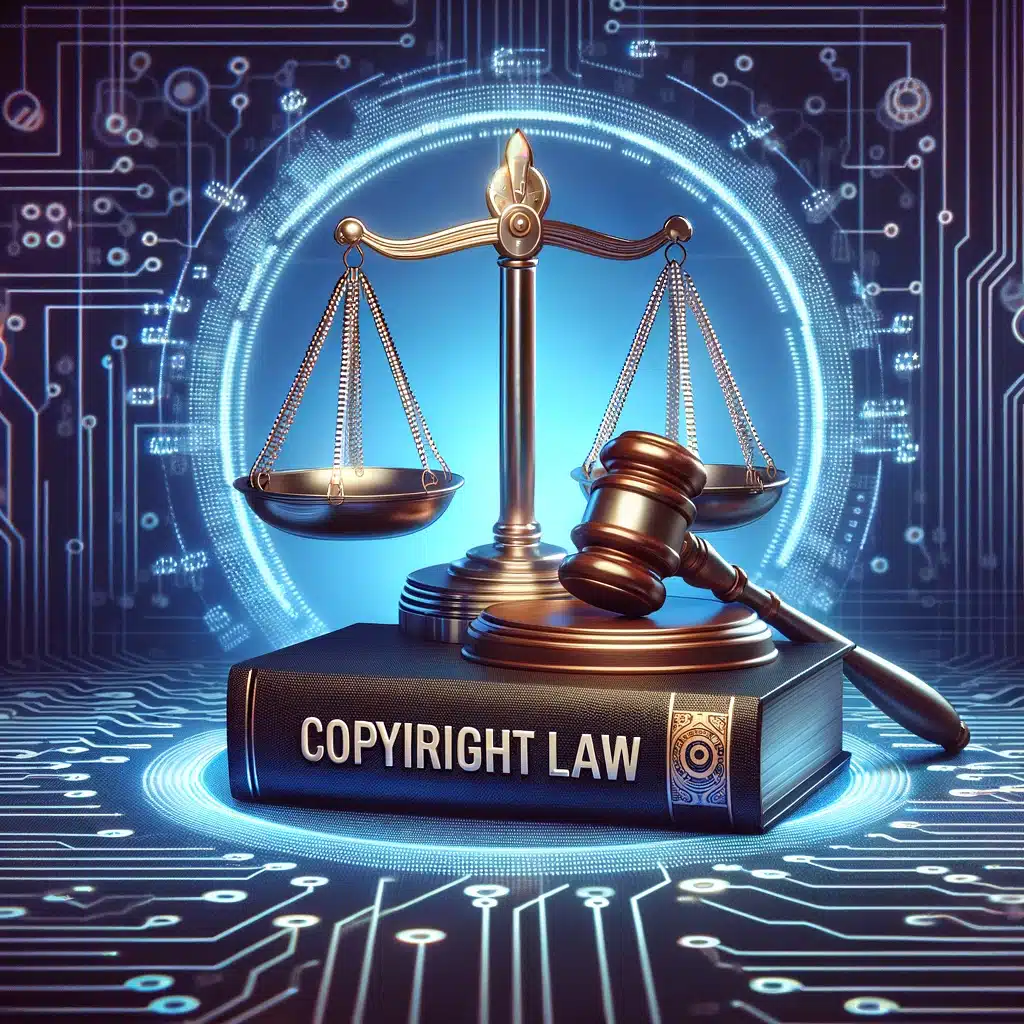
The 2026 Tipping Point
The conflict escalated massively over the past year. Following aggressive lawsuits by The New York Times, Disney, and major publishing houses, the legal landscape shifted when Anthropic agreed to a staggering $1.5 billion class-action settlement with authors—the largest known copyright payout in U.S. history.
The central legal battle revolves around whether generative AI is “transformative.” Tech companies argue that their systems learn from copyrighted works much like a human student does, transforming the data into entirely new creations. But courts are beginning to push back.
Divided Federal Rulings
In early 2026, the first federal rulings on AI fair use yielded mixed results, leaving both the tech industry and copyright holders in suspense:
- The Pro-Tech Argument: In San Francisco, Judge William Alsup ruled in a key fair use factor that utilizing books for AI training is “quintessentially transformative,” noting that copyright law should not protect authors against competition.
- The Creator’s Defense: Conversely, Judge Vince Chhabria warned that AI training might not qualify as fair use in many circumstances, citing the risk of AI “flooding the market” and destroying the financial incentives for human creators—a core tenet of U.S. copyright law.
The Dawn of the Licensing Era
As the legal risk of scraping reaches trillions of dollars, a new ecosystem is emerging: the AI licensing regime. To mitigate lawsuits, companies are brokering massive deals. Disney recently invested $1 billion in OpenAI to officially license its characters for the Sora video generator, while Warner Music secured joint music-creation platforms with AI developers Suno and Udio.
Whether the courts ultimately side with Silicon Valley or the creative class, 2026 marks the end of the free-data era for artificial intelligence.
Follow TrendToday360.com for the latest deep dives into digital rights, AI law, and creator economics.




Leave a Reply