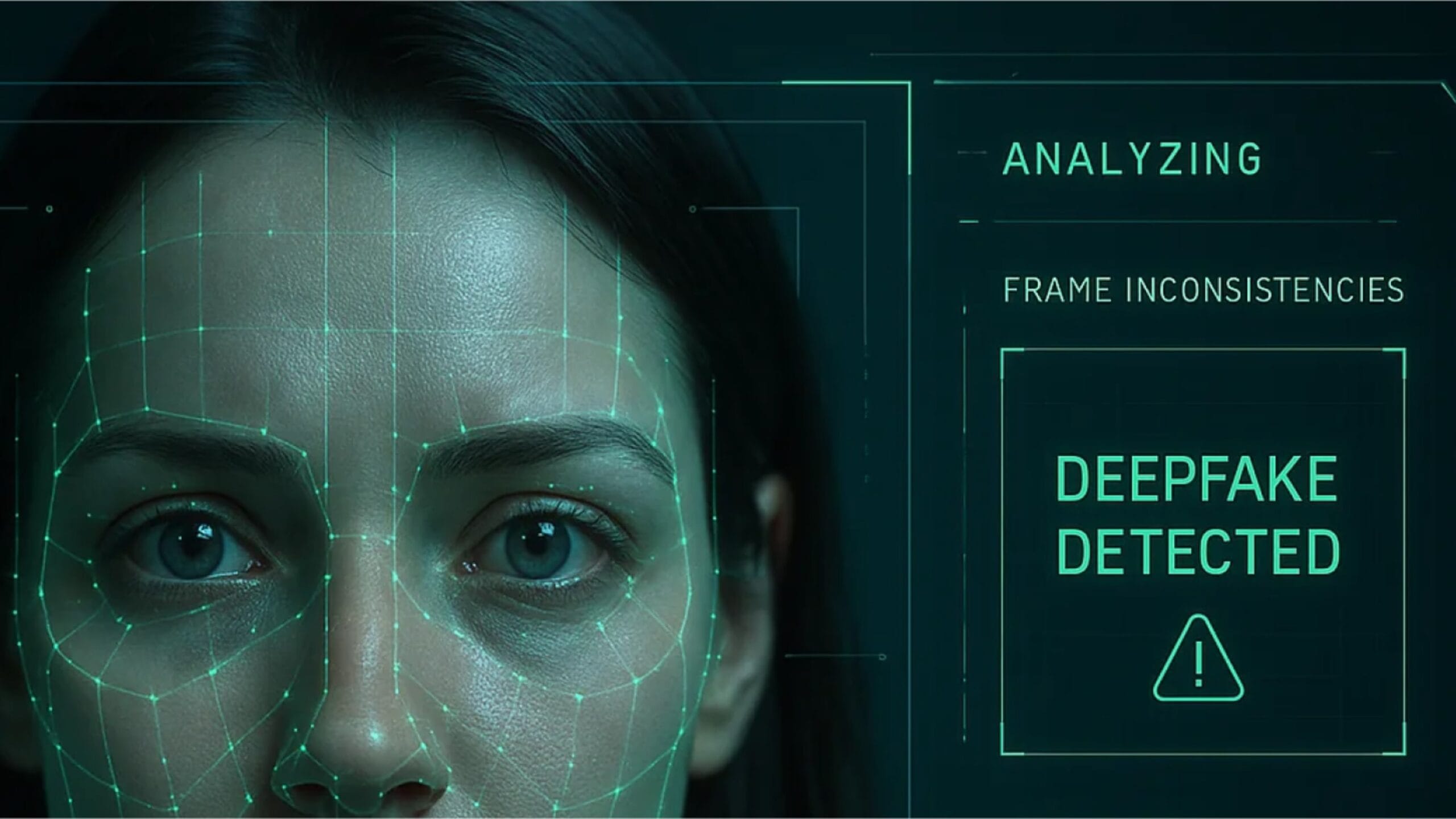

Artificial intelligence has made it terrifyingly easy to steal someone’s face and voice. Until recently, victims of malicious AI-generated media had little legal recourse. But in 2026, the legal landscape is aggressively shifting. The introduction of the federal TAKE IT DOWN Act, alongside a patchwork of strict state laws, is attempting to rein in the Wild West of synthetic media.
If you consume digital media or manage a digital brand, understanding this new wave of deepfake legislation is critical.
The Erosion of Truth and Identity
We are currently facing what ethicists call an “epistemic crisis”—a scenario where the public can no longer agree on recognized facts because video and audio evidence can easily be fabricated. Hyper-realistic deepfakes are being weaponized for three main purposes in 2026:
- Political Manipulation: Flooding social media with fake videos of candidates to influence elections.
- Financial Scams: Cloning the voices of executives or family members to authorize fraudulent wire transfers.
- Non-Consensual Intimate Imagery: Harassing individuals by mapping their faces onto explicit content.
Inside the TAKE IT DOWN Act
The federal government’s primary weapon against this abuse is the Tools to Address Known Exploitation by Immobilizing Technological Deepfakes on Websites and Networks Act (TAKE IT DOWN Act). This landmark legislation specifically targets the most harmful uses of AI media:
- Federal Criminal Penalties: Publishing non-consensual intimate deepfakes now carries the threat of up to 2 years in federal prison (and up to 10 years if the victim is a minor).
- The 48-Hour Takedown Rule: Social media platforms and websites are legally obligated to remove reported malicious deepfakes within 48 hours or face severe FTC fines.
- Victim Lawsuits: The act guarantees victims the right to pursue civil damages, regardless of whether criminal charges are filed.
The State-Level Patchwork
While federal law focuses heavily on intimate imagery, states are tackling commercial and electoral deepfakes. Over 40 states now have deepfake-specific laws. Notably, Tennessee’s ELVIS Act explicitly protects vocal likeness from AI replication, setting a standard for the music and entertainment industries. Additionally, 28 states have banned AI-generated false candidate scenarios within specific pre-election windows.
As detection tools struggle to keep pace with AI generators, these legal frameworks are our strongest line of defense in preserving digital identity.
Stay protected and informed. Follow TrendToday360.com for the latest updates on cybersecurity and AI ethics.



Leave a Reply