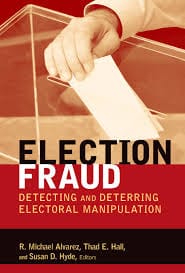

Electoral fraud is one of the most debated and controversial topics in democratic societies. Elections serve as the foundation of representative government, allowing citizens to choose leaders and influence public policy through voting. For democracy to function effectively, the electoral process must be free, fair, transparent, and trusted by the public. When allegations or instances of electoral fraud arise, they can undermine confidence in election outcomes and democratic institutions.
Electoral fraud refers to illegal interference with the election process intended to alter the outcome of an election or influence voter participation. Such activities can occur before, during, or after voting and may involve individuals, political organizations, election officials, or other actors.
Although most democratic nations have safeguards designed to protect election integrity, concerns about fraud continue to be a major subject of political discussion around the world. Understanding electoral fraud requires examining its forms, historical examples, causes, prevention measures, and impact on democratic systems.
What Is Electoral Fraud?
Electoral fraud involves deliberate actions intended to manipulate election results or interfere with the voting process.
These actions can affect voter registration, ballot casting, vote counting, election administration, or public confidence in electoral outcomes.
The primary objective of electoral fraud is typically to gain an unfair political advantage or influence election results.
Electoral fraud differs from administrative errors because it involves intentional misconduct rather than accidental mistakes.
Why Election Integrity Matters
Election integrity is essential for maintaining public trust in democratic institutions.
Citizens must believe that:
- Votes are counted accurately
- Election laws are applied fairly
- Candidates compete on equal terms
- Results reflect voter preferences
- Electoral systems remain transparent
When confidence in elections declines, political instability and public distrust may increase.
Common Types of Electoral Fraud
Electoral fraud can take many forms depending on the structure of a country’s election system.
Voter Impersonation
Voter impersonation occurs when someone attempts to vote while pretending to be another eligible voter.
This form of fraud often receives significant public attention because it directly involves ballot casting.
Many jurisdictions use identification requirements and verification systems to reduce this risk.
Ballot Stuffing
Ballot stuffing involves the unlawful addition of ballots to influence election outcomes.
This practice can occur when unauthorized ballots are inserted into the vote count.
Modern election monitoring systems are designed to detect and prevent such activities.
Vote Buying
Vote buying occurs when individuals offer money, gifts, services, or other benefits in exchange for votes.
This practice undermines the principle of free and independent voter choice.
Many countries impose severe penalties for vote-buying offenses.
Voter Intimidation
Voter intimidation involves efforts to discourage or pressure citizens regarding their voting decisions.
Examples may include:
- Threats
- Harassment
- Coercion
- Physical intimidation
- False information campaigns
Protecting voters from intimidation is a fundamental responsibility of election authorities.
Election Administration Fraud
In some cases, allegations involve individuals responsible for administering elections.
Potential issues may include:
- Tampering with vote counts
- Manipulating voter rolls
- Misreporting results
- Destroying election records
Strong oversight mechanisms help reduce these risks.
Cybersecurity and Modern Elections
Technology has transformed election administration in many countries.
While digital systems offer efficiency benefits, they also introduce cybersecurity concerns.
Potential cyber-related threats include:
- Hacking attempts
- Data breaches
- Disinformation campaigns
- Infrastructure attacks
- Election system disruptions
Protecting election infrastructure has become a major priority for governments worldwide.
Disinformation and Election Influence
One of the most significant modern challenges involves the spread of false or misleading information.
Disinformation campaigns may attempt to:
- Confuse voters
- Reduce voter turnout
- Influence public opinion
- Undermine trust in elections
Social media platforms have increased both the speed and reach of information dissemination.
Historical Examples of Electoral Fraud
Throughout history, numerous countries have experienced allegations or documented cases of electoral fraud.
Examples have included:
- Ballot manipulation
- Vote suppression
- Corrupt election administration
- Intimidation tactics
- Result falsification
These incidents have often led to reforms designed to strengthen election integrity.
Election Monitoring and Oversight
Many democracies use independent oversight mechanisms to ensure election fairness.
These measures may include:
- Election observers
- Independent commissions
- Judicial review processes
- Transparency requirements
- Public reporting systems
Election monitoring helps promote confidence in the electoral process.
How Election Authorities Prevent Fraud
Election officials employ multiple safeguards to reduce opportunities for fraud.
Common protections include:
- Voter registration verification
- Secure ballot handling
- Poll worker training
- Chain-of-custody procedures
- Post-election audits
- Vote reconciliation processes
These measures help maintain election security and transparency.
The Role of Election Audits
Election audits play an important role in verifying results.
Audits involve reviewing ballots, vote counts, and election procedures to confirm accuracy.
Depending on the jurisdiction, audits may occur automatically or in response to specific concerns.
They provide an additional layer of accountability within the election process.
Public Perception and Trust
Public confidence is critical to democratic legitimacy.
Even when elections are conducted properly, allegations of fraud can influence public perception.
Transparency and communication from election officials help address concerns and provide accurate information.
Trust is often strengthened when election procedures are open to scrutiny.
Media Coverage and Electoral Fraud
Media organizations play a major role in shaping public understanding of election-related issues.
Responsible reporting can help inform voters about:
- Election procedures
- Verified incidents
- Legal investigations
- Official findings
Accurate information is essential for informed public discussion.
Legal Consequences of Electoral Fraud
Most countries impose serious penalties for election-related crimes.
Potential consequences may include:
- Criminal prosecution
- Fines
- Imprisonment
- Disqualification from office
- Election result challenges
Enforcement mechanisms help deter unlawful conduct.
International Perspectives
Electoral systems vary significantly across countries.
Some nations use paper ballots, while others rely on electronic voting technologies.
Different systems face different vulnerabilities and security challenges.
International organizations frequently observe elections and promote best practices for election integrity.
Balancing Access and Security
Election policymakers often seek to balance two important goals:
- Maximizing voter access
- Protecting election security
Achieving both objectives requires careful policy design and ongoing evaluation.
Debates surrounding election laws often focus on finding the appropriate balance between these priorities.
The Future of Election Security
As technology evolves, election systems will continue adapting to new opportunities and threats.
Future developments may include:
- Advanced cybersecurity protections
- Improved audit systems
- Enhanced voter verification
- Greater transparency tools
- Artificial intelligence monitoring
Election security will likely remain a major area of investment and public interest.
Conclusion
Electoral fraud is a serious issue that can affect public confidence in democratic institutions and election outcomes. While modern election systems include numerous safeguards designed to prevent and detect fraud, maintaining election integrity requires continuous vigilance, transparency, and accountability.
Understanding the various forms of electoral fraud, the measures used to prevent it, and the challenges posed by evolving technologies helps citizens better appreciate the importance of secure and trustworthy elections. Ultimately, strong democratic systems depend on both accurate election administration and public confidence that every eligible vote is counted fairly and honestly.




Leave a Reply