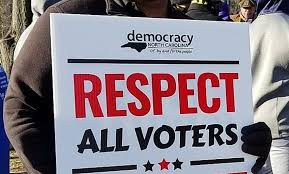

The Voting Rights Act (VRA) is widely regarded as one of the most important pieces of civil rights legislation in American history. Enacted in 1965, the law was designed to eliminate discriminatory voting practices that had prevented many citizens, particularly African Americans, from exercising their constitutional right to vote. The legislation marked a turning point in the struggle for equal voting rights and helped reshape the political landscape of the United States.
For decades, numerous barriers prevented minority communities from fully participating in elections. Literacy tests, poll taxes, intimidation, and other discriminatory practices were used to suppress voter participation despite constitutional protections. The Voting Rights Act sought to address these issues by providing federal oversight and enforcement mechanisms to ensure fair access to the electoral process.
More than half a century later, the Voting Rights Act continues to influence debates surrounding election laws, voter access, representation, and democracy in the United States. Understanding the history and significance of this landmark legislation remains essential for anyone interested in American government and civil rights.
The Historical Background
The Voting Rights Act emerged during a period of intense civil rights activism in the United States.
Although the Fifteenth Amendment, ratified in 1870, prohibited denying citizens the right to vote based on race, many states implemented policies that effectively prevented African Americans from voting.
These discriminatory practices became especially common in parts of the American South.
Examples included:
- Literacy tests
- Poll taxes
- Property requirements
- Voter intimidation
- Complex registration procedures
- Grandfather clauses
These obstacles significantly reduced voter participation among minority communities.
The Civil Rights Movement
The Civil Rights Movement played a crucial role in the passage of the Voting Rights Act.
Throughout the 1950s and 1960s, activists organized campaigns to challenge segregation and discrimination.
Civil rights leaders worked tirelessly to draw attention to voting restrictions and unequal treatment under the law.
Peaceful demonstrations, voter registration drives, and public advocacy helped build national support for voting rights reform.
Selma and the Push for Reform
One of the most influential events leading to the Voting Rights Act occurred in Selma, Alabama.
Civil rights activists organized marches demanding equal voting rights and greater protection for minority voters.
The violent response to peaceful demonstrators received widespread media coverage and shocked many Americans.
These events increased public pressure on lawmakers to address discriminatory voting practices through federal legislation.
Passage of the Voting Rights Act
The Voting Rights Act was signed into law by President Lyndon B. Johnson on August 6, 1965.
The legislation aimed to remove barriers preventing citizens from participating in elections.
Congress recognized that existing legal protections were insufficient to eliminate discriminatory voting practices.
The Act therefore established stronger enforcement mechanisms and expanded federal authority to protect voting rights.
Primary Goals of the Voting Rights Act
The law was designed to achieve several important objectives.
- Eliminate racial discrimination in voting
- Increase voter registration access
- Protect minority voters
- Strengthen federal oversight
- Promote equal participation in elections
These goals reflected broader efforts to ensure equal treatment under the law.
Key Provisions of the Act
The Voting Rights Act contained several significant provisions that transformed election administration.
Ban on Discriminatory Practices
The Act prohibited voting procedures that discriminated based on race or color.
This provision targeted practices that had historically prevented minority citizens from exercising their voting rights.
Federal Oversight
One of the most influential aspects of the law involved federal supervision of certain jurisdictions with histories of voting discrimination.
These jurisdictions were required to obtain federal approval before implementing changes to voting procedures.
This process became known as “preclearance.”
Federal Examiners and Observers
The Act authorized the federal government to send examiners and observers to areas where discrimination was suspected.
These officials monitored elections and helped ensure compliance with federal law.
Immediate Impact
The Voting Rights Act produced rapid and significant results.
Voter registration among African Americans increased substantially in many states following its enactment.
Communities that had previously faced barriers to participation gained greater access to the electoral process.
The law contributed to increased political representation and broader civic engagement.
Growth in Minority Political Participation
As voter registration increased, minority communities gained greater influence in local, state, and national elections.
More citizens were able to:
- Register to vote
- Participate in elections
- Run for public office
- Engage in civic activities
This expansion of participation helped reshape American politics.
Congressional Renewals
The Voting Rights Act has been reauthorized multiple times since 1965.
Congress repeatedly concluded that protections remained necessary to address ongoing concerns regarding voting discrimination.
Major renewals occurred in:
- 1970
- 1975
- 1982
- 2006
Each reauthorization reflected continued bipartisan recognition of the Act’s importance.
Language Minority Protections
Amendments to the Voting Rights Act expanded protections for language minority groups.
Election materials and assistance became available in multiple languages in certain jurisdictions.
These changes helped improve access for citizens whose primary language was not English.
The goal was to ensure broader participation in democratic processes.
Supreme Court Decisions
Several Supreme Court decisions have influenced the interpretation and implementation of the Voting Rights Act.
These rulings have addressed questions involving:
- Federal oversight authority
- Election district boundaries
- Voting procedure changes
- Discrimination standards
Court decisions continue to shape the practical application of voting rights protections.
Modern Voting Rights Debates
The Voting Rights Act remains central to contemporary discussions about election laws.
Supporters argue that strong protections are necessary to prevent discrimination and ensure equal access to voting.
Others focus on balancing voter access with election administration, security measures, and state authority.
These debates often involve complex legal and policy questions.
Current Challenges
Modern voting rights discussions address a variety of issues.
- Voter identification requirements
- Election administration procedures
- Redistricting practices
- Polling place accessibility
- Mail-in voting policies
- Language assistance programs
Policymakers, courts, advocacy groups, and election officials continue examining these topics.
The Importance of Voting Rights
Voting is a fundamental component of democratic government.
Access to the ballot allows citizens to participate in decision-making, select representatives, and influence public policy.
Protecting voting rights helps strengthen public confidence in democratic institutions.
Broad participation contributes to representative government and civic engagement.
The Legacy of the Voting Rights Act
The Voting Rights Act is often viewed as one of the most successful civil rights laws in American history.
Its impact extends beyond election procedures and reflects broader efforts to promote equality and civil rights.
The legislation helped remove barriers that had excluded many citizens from full participation in American democracy.
Its legacy continues to influence discussions about fairness, representation, and equal opportunity.
Future of Voting Rights
As election systems evolve, voting rights will likely remain an important public policy issue.
Technological changes, demographic shifts, and legal developments may create new challenges and opportunities.
Policymakers and courts will continue addressing questions regarding access, security, and representation.
The principles established by the Voting Rights Act remain central to these ongoing discussions.
Conclusion
The Voting Rights Act of 1965 represents a landmark achievement in the history of American civil rights. By addressing discriminatory voting practices and expanding federal protections, the law helped ensure that millions of citizens could participate more fully in the democratic process.
Its passage marked a major step toward equal voting rights and strengthened the foundation of representative government in the United States. While debates about election policies continue, the Voting Rights Act remains one of the most influential pieces of legislation ever enacted to protect democratic participation and civil rights.
Understanding its history, provisions, and continuing impact provides valuable insight into the ongoing effort to ensure fair and equal access to the ballot for all eligible citizens.




Leave a Reply