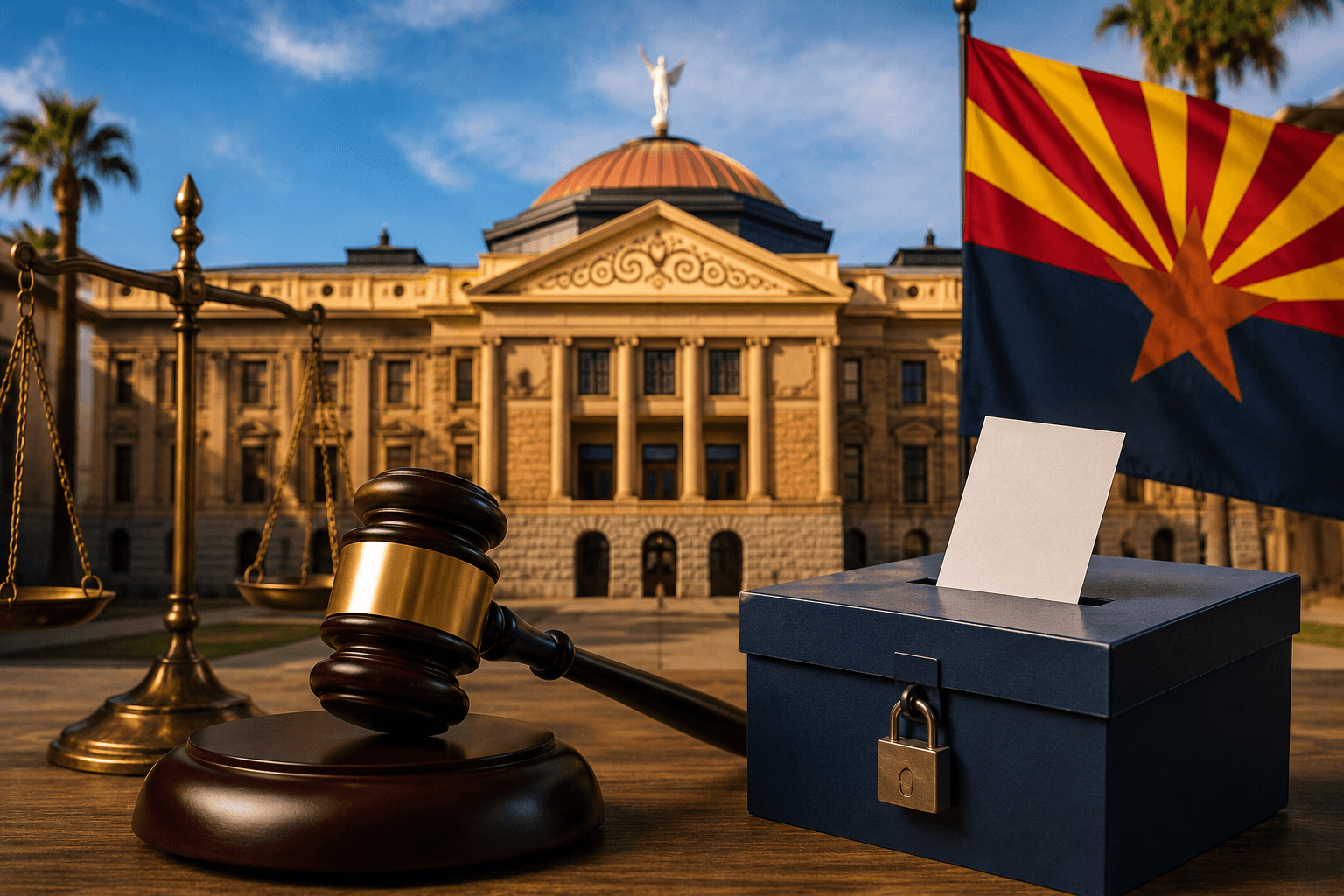

The Arizona fake electors case has become one of the most closely watched legal and political developments arising from the aftermath of the 2020 United States presidential election. The prosecution focuses on efforts by some individuals to submit alternate electoral certificates claiming that Donald Trump had won Arizona, despite official results showing Joe Biden as the winner.
This case is part of a broader series of investigations across multiple states examining attempts to challenge or overturn certified election results. In Arizona, prosecutors have pursued criminal charges against individuals connected to the so-called “fake electors” scheme, raising important questions about election integrity, political accountability, and the rule of law.
This article explores the background of the fake electors strategy, the Arizona investigation, key legal arguments, political reactions, and the broader implications for American democracy.
What Were the “Fake Electors”?
The term “fake electors” refers to individuals who signed documents claiming to be legitimate presidential electors for their state, despite not being certified by state election authorities.
In the United States Electoral College system, each state appoints electors based on the certified results of the popular vote. These electors then cast official votes for president and vice president.
In the 2020 election, several groups of Republican-associated individuals in multiple states, including Arizona, signed alternate electoral certificates claiming that Donald Trump had won their states. These certificates were not recognized by state officials or federal authorities.
Investigators later concluded that these alternate slates were part of a broader strategy intended to create competing electoral outcomes during the certification process in Congress.
Arizona’s Role in the 2020 Election
Arizona was a key battleground state in the 2020 election. The state’s official vote count showed Joe Biden winning Arizona’s electoral votes.
After the election, however, a group of individuals aligned with efforts to challenge the results met and signed documents purporting to represent Arizona’s electors for Donald Trump.
These actions became the basis for later legal scrutiny by Arizona state prosecutors, who argued that the creation and submission of alternate electoral documents may have violated state laws related to forgery, fraud, and conspiracy.
The Arizona Investigation
Arizona law enforcement officials, including the Attorney General’s office, opened an investigation into the fake electors scheme as part of a broader effort to examine post-election activities.
Prosecutors focused on whether individuals knowingly submitted false documents to state and federal authorities, and whether these actions were intended to interfere with the lawful certification of election results.
The investigation expanded over time to include multiple participants, communications, and coordination efforts connected to the alternate electors plan.
Authorities examined emails, meetings, and legal documents to determine intent and coordination among participants.
Criminal Charges and Legal Theories
In Arizona, prosecutors have pursued charges against individuals allegedly involved in the fake electors effort. While specific charges may vary by defendant, they generally include allegations such as:
- Forgery of official documents
- Fraud
- Conspiracy to commit election-related offenses
The legal argument centers on whether signing and submitting alternate electoral certificates constituted intentional deception of state or federal authorities.
Prosecutors argue that the documents were presented as legitimate despite not being authorized by Arizona election officials.
Defense arguments in similar cases often focus on claims of political expression, legal uncertainty about alternate elector strategies, or lack of intent to commit fraud.
The Role of the Electoral College Process
The Electoral College system plays a central role in understanding the fake electors controversy. After a presidential election, each state certifies its official electors based on the popular vote.
These electors then meet in December to cast formal votes, which are sent to Congress for final counting in January.
The fake electors strategy involved submitting competing certificates in an attempt to create uncertainty during the congressional counting process.
This raised legal and constitutional questions about whether alternative slates of electors have any legal standing when they are not certified by state authorities.
Federal and State Coordination Issues
One of the central questions in the Arizona case is how state-level actions intersect with federal election certification procedures.
While states manage elections and certify results, Congress oversees the final count of electoral votes. The fake electors scheme attempted to insert competing claims into this process.
Legal experts have debated whether such actions fall under protected political activity or cross the line into criminal interference with official election processes.
Broader Investigations Across States
Arizona is not the only state involved in fake electors investigations. Similar cases have been examined in Georgia, Michigan, Nevada, Wisconsin, and other battleground states from the 2020 election.
Each state has pursued its own legal approach, depending on state laws and evidence of coordination.
The multi-state nature of the investigations highlights the national scope of the controversy and its significance for U.S. election law.
Political Reactions
The Arizona fake electors prosecution has generated strong political reactions from both supporters and critics.
Supporters of the investigation argue that accountability is necessary to protect the integrity of elections and ensure that certified results are respected.
Critics argue that the prosecutions are politically motivated and represent an overreach of legal authority in a highly charged political environment.
These differing perspectives reflect broader divisions in American politics following the 2020 election.
Impact on Public Trust in Elections
The fake electors controversy has had a significant impact on public trust in the U.S. electoral system.
Debates over election legitimacy, certification procedures, and political messaging have contributed to increased polarization.
Election officials and legal experts have emphasized the importance of clear rules and enforcement to maintain confidence in democratic processes.
The Arizona case is seen as a key test of how the legal system responds to attempts to challenge certified election outcomes.
Legal Challenges and Court Proceedings
As the Arizona prosecution moves forward, defendants may raise various legal challenges in court.
These may include arguments related to intent, free speech protections, and interpretation of election law.
Courts will need to evaluate evidence, including communications and documentation, to determine whether criminal intent can be established beyond a reasonable doubt.
The outcome of these cases could set important precedents for how similar actions are treated in the future.
Constitutional Questions
The fake electors cases raise complex constitutional questions about federalism, election authority, and the separation of powers.
Key issues include the role of states in certifying elections, the authority of Congress in counting electoral votes, and the limits of political activity during election disputes.
Legal scholars continue to debate how these principles should be applied in cases involving alternate elector slates.
Public and Media Attention
The Arizona prosecution has received extensive media coverage due to its connection to the 2020 presidential election and ongoing political debates.
Media reports have focused on court filings, investigative developments, and statements from both prosecutors and defense attorneys.
Public interest remains high as the case progresses through the legal system.
Future Implications
The outcome of the Arizona fake electors prosecution could have long-term implications for U.S. election law and political conduct.
Possible impacts include:
- Stronger enforcement of election certification rules
- Clarification of legal limits on alternative elector actions
- Potential reforms to Electoral College procedures
Legal experts suggest that these cases may influence how future election disputes are handled at both state and federal levels.
Conclusion
The Arizona fake electors prosecution represents a significant moment in the ongoing effort to address disputes arising from the 2020 U.S. presidential election. At its core, the case examines whether actions taken to create alternate electoral certificates violated state law and undermined the democratic process.
As the legal proceedings continue, the case will likely remain a focal point in discussions about election integrity, political accountability, and the strength of American democratic institutions.
Regardless of the outcome, the Arizona case underscores the importance of clear election procedures and respect for certified results in maintaining public trust in democracy.



Leave a Reply