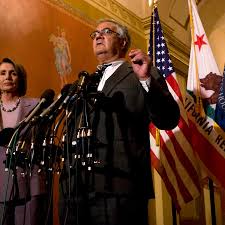

Barney Frank is widely recognized as one of the most influential and outspoken politicians in modern American political history. Known for his sharp intelligence, direct communication style, and major role in financial reform legislation, Frank served in the United States Congress for more than three decades and became a central figure in national political debates.
Throughout his political career, Barney Frank gained national attention for his work on banking reform, civil rights, housing policy, and LGBTQ+ representation in American politics. His leadership during the financial crisis of 2008 helped shape major reforms that continue to influence the U.S. financial system today.
As one of the first openly gay members of Congress, Frank also played a groundbreaking role in advancing LGBTQ+ visibility and equality in American public life. His legacy extends beyond politics, making him an important figure in discussions about economic policy, social justice, and democratic leadership.
Early Life and Education
Barney Frank was born on March 31, 1940, in Bayonne, New Jersey, United States. Raised in a working-class Jewish family, Frank developed an early interest in politics and public policy. His strong academic abilities and passion for government helped shape his future political ambitions.
Frank attended Harvard University, where he studied political science and graduated with honors. During his time at Harvard, he became deeply involved in political discussions and student activism. His education provided a strong foundation for his future career in public service.
After completing his studies, Frank worked as a political aide and administrative assistant before entering elected office himself. His early political experience gave him insight into government operations and legislative strategy.
Beginning of His Political Career
Barney Frank began his political career in Massachusetts, where he served in the Massachusetts House of Representatives during the 1970s. His intelligence, debating skills, and deep understanding of public policy quickly earned him respect among colleagues and political observers.
In 1980, Frank was elected to the United States House of Representatives, representing Massachusetts’ congressional district. He would go on to serve in Congress for more than 30 years.
Throughout his early years in Congress, Frank focused on issues such as affordable housing, urban development, civil rights, and economic fairness. He became known for his ability to explain complex policy issues in clear and direct language.
Rise as a National Political Figure
Over time, Barney Frank emerged as one of the Democratic Party’s most recognizable leaders. His strong communication skills and willingness to engage in political debate made him a frequent presence on television and in national media.
Frank served on several important congressional committees, eventually becoming chairman of the House Financial Services Committee. This position gave him major influence over banking regulations, financial institutions, housing policy, and economic legislation.
His leadership role became especially important during periods of economic uncertainty and financial crisis.
The 2008 Financial Crisis
One of the defining moments of Barney Frank’s political career came during the global financial crisis of 2008. The collapse of major financial institutions and the housing market created widespread economic instability in the United States and around the world.
As chairman of the House Financial Services Committee, Frank played a major role in shaping the government’s response to the crisis. He worked closely with lawmakers, economists, and regulators to stabilize financial markets and prevent a deeper economic collapse.
The financial crisis highlighted major weaknesses in banking regulations and risk management practices. Millions of Americans faced job losses, foreclosures, and economic hardship during this period.
Frank argued that stronger financial oversight and consumer protections were necessary to prevent future crises. His work during this time significantly increased his national profile.
The Dodd-Frank Act
One of Barney Frank’s most important achievements was helping create the Dodd-Frank Wall Street Reform and Consumer Protection Act. The law, commonly known as the Dodd-Frank Act, was passed in 2010 following the financial crisis.
Working alongside Senator Chris Dodd, Frank helped design legislation aimed at improving financial regulation, increasing transparency, and protecting consumers from risky banking practices.
The Dodd-Frank Act introduced major reforms, including stricter oversight of financial institutions, consumer protection measures, and regulations designed to reduce systemic risk in the banking system.
Supporters argued that the law strengthened financial accountability and helped reduce the likelihood of another major economic collapse. Critics, however, claimed that some regulations were too complex and placed burdens on businesses and banks.
Despite political debates surrounding the legislation, the Dodd-Frank Act remains one of the most significant financial reform laws in modern American history.
Advocacy for LGBTQ+ Rights
Barney Frank also made history as one of the first openly gay members of the United States Congress. In 1987, he publicly acknowledged his sexual orientation, becoming one of the most prominent openly gay politicians in America at the time.
His decision was considered groundbreaking during an era when LGBTQ+ representation in politics remained limited. Frank’s openness helped increase visibility for LGBTQ+ individuals in public office and challenged long-standing political stereotypes.
Throughout his career, Frank advocated for equal rights, anti-discrimination protections, and social inclusion. He supported legislation aimed at protecting LGBTQ+ Americans from discrimination in employment, housing, and public services.
Many political analysts and activists credit Frank with helping pave the way for greater LGBTQ+ participation in American politics.
Political Style and Public Image
Barney Frank became known for his sharp wit, intelligence, and direct speaking style. Unlike many politicians who carefully avoided controversial discussions, Frank often addressed difficult issues openly and confidently.
Supporters admired his honesty, humor, and policy expertise. He was widely respected for his deep understanding of financial systems and legislative processes.
However, Frank also attracted criticism from political opponents who disagreed with his economic views and regulatory policies. Conservative critics sometimes blamed him for aspects of federal housing policy before the financial crisis.
Despite political disagreements, Frank remained one of the most recognizable and influential voices in Congress throughout his career.
Retirement From Congress
In 2011, Barney Frank announced that he would not seek reelection to Congress. After serving for more than three decades, he officially retired from the House of Representatives in 2013.
His retirement marked the end of a major chapter in American politics. During his time in Congress, Frank had witnessed significant political, economic, and social changes in the United States.
After leaving office, Frank continued participating in public discussions about economics, financial regulation, and political reform. He also became involved in academic and media activities, sharing his expertise and political perspectives.
Legacy and Historical Importance
Barney Frank’s legacy remains significant in both economic policy and civil rights history. His leadership during the financial crisis and his role in creating the Dodd-Frank Act continue to shape discussions about banking regulation and economic stability.
His contributions to LGBTQ+ visibility in politics also hold lasting importance. Frank helped demonstrate that openly gay politicians could achieve national leadership roles and influence major public policy decisions.
Political historians often describe Frank as one of the most intellectually influential lawmakers of his generation. His ability to combine policy knowledge with direct public communication made him a unique figure in American government.
Even years after leaving Congress, debates surrounding financial regulation, economic fairness, and civil rights frequently reference Frank’s ideas and legislative work.
Conclusion
Barney Frank remains one of the most impactful political leaders in recent American history. His work on financial reform, consumer protection, and LGBTQ+ rights left a lasting mark on the United States political system.
From his early political career in Massachusetts to his leadership during the 2008 financial crisis, Frank consistently played a major role in shaping national policy discussions. His influence extended far beyond Congress, affecting economic legislation, civil rights progress, and public understanding of complex political issues.
As historians and political analysts continue evaluating modern American politics, Barney Frank’s contributions will remain an important part of the nation’s political and economic history.





Leave a Reply