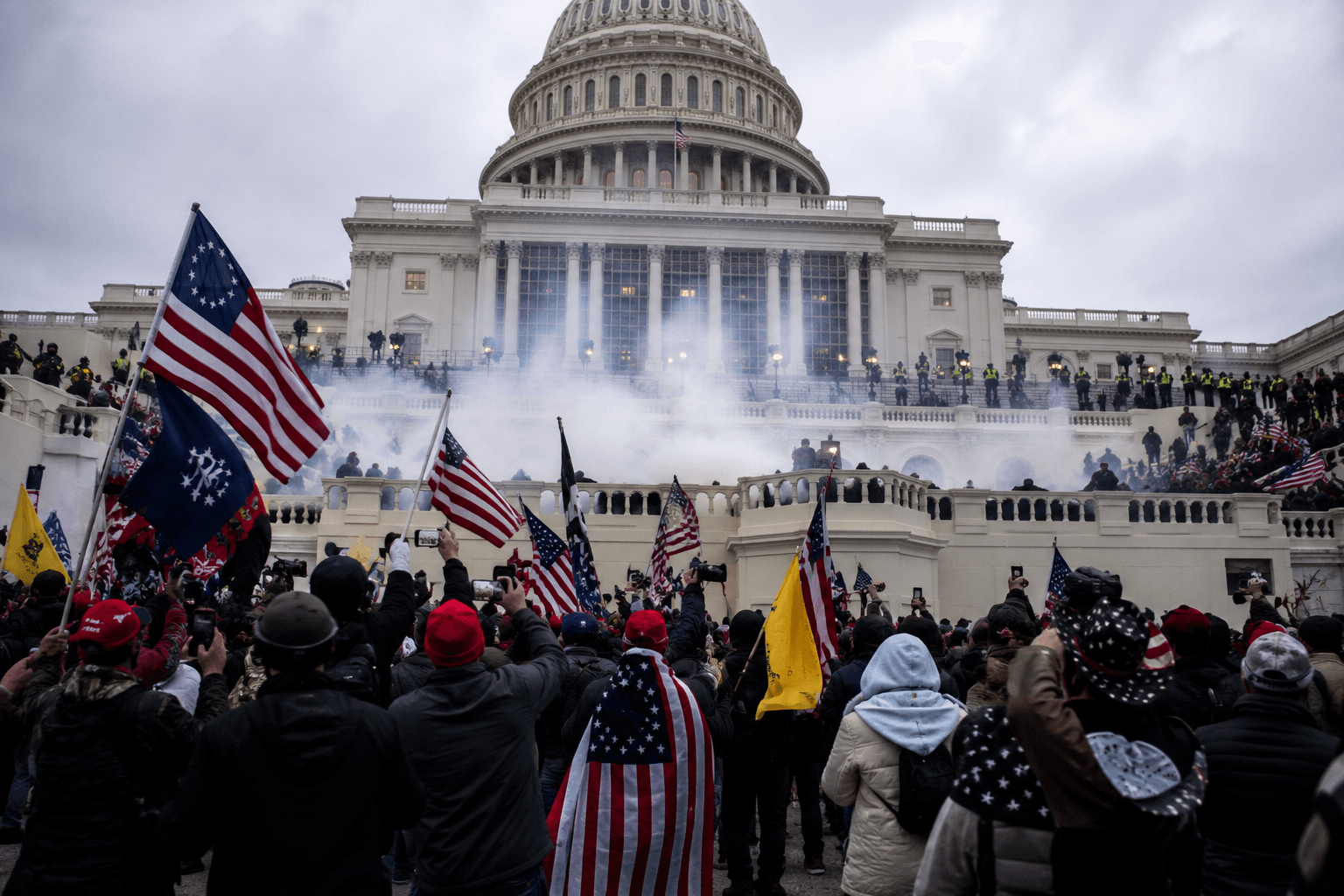

The events of January 6, 2021, became one of the most significant and controversial moments in modern American political history. On that day, a large group of protesters gathered in Washington, D.C., and later stormed the United States Capitol building while Congress was meeting to certify the results of the 2020 presidential election.
The incident shocked people around the world and raised serious concerns about political division, election trust, security, and the future of democracy in the United States. Supporters and critics of former President Donald Trump continue to debate the causes, responsibility, and long-term effects of the Capitol attack.
January 6 was not just a single political event. It became a symbol of increasing political polarization and public mistrust that had been growing in America for years. The attack also triggered investigations, legal actions, congressional hearings, and national discussions about democratic institutions and political leadership.
Background to the 2020 Election
The 2020 U.S. presidential election took place during a period of major political tension and uncertainty. The COVID-19 pandemic had changed how millions of Americans voted, with large numbers of people using mail-in ballots and early voting options.
Democratic candidate Joe Biden won the election against incumbent President Donald Trump. However, Trump and many of his supporters questioned the election results and raised concerns about voter fraud and election procedures.
Courts, state election officials, and federal agencies reviewed multiple claims related to the election. Despite these investigations, no evidence of widespread fraud capable of changing the election outcome was found.
Even so, political tensions continued to grow. Public rallies, protests, and heated debates became common across the country as Americans argued over the legitimacy of the election process.
What Happened on January 6?
On January 6, thousands of supporters gathered in Washington, D.C., for a political rally near the White House. During speeches that day, speakers discussed the election results and encouraged supporters to continue protesting.
Later, a large crowd moved toward the U.S. Capitol building, where members of Congress were meeting to certify the Electoral College results. Some protesters breached police barricades and entered the Capitol building.
The situation quickly became chaotic. Lawmakers, staff members, journalists, and police officers were forced to seek safety as parts of the building were occupied by protesters.
The attack caused injuries, property damage, and multiple deaths connected to the events of that day and its aftermath. Security officials eventually regained control of the Capitol after several hours.
Congress later resumed its session and officially certified Joe Biden’s victory early the next morning.
National and International Reaction
The Capitol attack received immediate international attention. Political leaders from around the world reacted with concern as images of protesters inside the Capitol spread across television and social media platforms.
Many American lawmakers described the event as an attack on democracy and constitutional processes. Others argued that the majority of protesters were peaceful and that only some individuals engaged in violence or unlawful behavior.
The event also led to intense discussions about political rhetoric, social media influence, and the role of misinformation in modern politics.
Major technology companies responded by suspending or limiting accounts connected to individuals accused of promoting violence or spreading misinformation related to the election.
Security Failures and Investigations
After January 6, many questions emerged about how protesters were able to enter one of the most secure government buildings in the country.
Investigations revealed communication problems, intelligence failures, and insufficient preparation among some law enforcement agencies. Critics argued that authorities underestimated the potential risk of violence despite warnings before the event.
Congressional committees and federal agencies launched multiple investigations into the attack, security response, and planning failures. These investigations included interviews, public hearings, and reviews of thousands of documents and videos.
The investigations became highly political, with disagreements over responsibility and interpretations of the events.
Legal Consequences
The January 6 attack resulted in one of the largest criminal investigations in U.S. history. Federal authorities arrested and charged hundreds of individuals connected to the Capitol breach.
Charges included trespassing, assaulting law enforcement officers, destruction of property, conspiracy, and obstruction of official government proceedings.
Some individuals received prison sentences after being convicted in court, while other cases remained ongoing for years after the attack.
Legal investigations also extended into questions involving political organizations, extremist groups, and individuals accused of helping organize the events.
The Department of Justice described the investigations as a major effort to protect democratic institutions and enforce federal law.
Donald Trump and Political Debate
Former President Donald Trump became a central figure in discussions about January 6. Critics argued that his statements questioning the election contributed to the political atmosphere that led to the attack.
Trump denied encouraging violence and stated that his supporters should remain peaceful. His supporters argued that he was unfairly blamed for the actions of individuals who entered the Capitol unlawfully.
Shortly after the attack, the House of Representatives impeached Trump for a second time on charges related to incitement of insurrection. However, he was later acquitted in the Senate.
The political debate surrounding Trump’s role remains one of the most divisive topics in American politics today.
The January 6 Committee
In 2021, the U.S. House of Representatives formed a special committee to investigate the events surrounding January 6.
The committee conducted public hearings that included testimony from former government officials, police officers, election workers, and other witnesses. Videos, text messages, and internal communications were also reviewed.
The hearings attracted major media attention because they provided detailed timelines and firsthand accounts of what occurred before and during the attack.
Supporters of the committee argued that the investigation was necessary to protect democracy and prevent similar incidents in the future. Critics claimed the hearings were politically motivated and focused too heavily on partisan issues.
Impact on American Democracy
The events of January 6 created long-lasting effects on American political culture and public trust.
Many Americans became increasingly concerned about political extremism, misinformation, and violence connected to political disagreements. Others worried that the country was becoming more divided and less willing to accept election outcomes.
Election security and voting laws became major political topics after 2020. Several states introduced changes to voting procedures, election oversight, and ballot access rules.
Supporters of these reforms argued they would improve election integrity, while critics believed some measures could make voting more difficult for certain groups.
The Capitol attack also increased discussions about the balance between free speech, political activism, and public safety.
Media and Social Media Influence
Media coverage played a major role in shaping public understanding of January 6. News organizations around the world broadcast live footage from the Capitol and later analyzed the causes and consequences of the attack.
Social media platforms became central to the discussion because organizers and participants used online networks to communicate before and during the event.
Technology companies faced criticism from multiple sides. Some people argued they acted too slowly in addressing harmful content, while others believed restrictions on online speech went too far.
The debate highlighted the growing influence of digital communication in modern politics and the challenges of controlling misinformation online.
Continuing Public Debate
Years after January 6, Americans continue debating what the event means for the country’s future.
For some people, the Capitol attack represented a dangerous challenge to democratic traditions and peaceful transfers of power. Others viewed it as a protest that escalated beyond control but should not define all political supporters involved.
Public opinion about the event often reflects broader political beliefs and media consumption patterns. Polls show that Americans remain deeply divided over responsibility, legal actions, and the long-term significance of January 6.
Conclusion
The January 6 Capitol attack remains one of the most important political events in recent American history. It exposed deep divisions within society and raised serious questions about democracy, leadership, election trust, and political accountability.
The investigations, legal cases, and public debates connected to January 6 continue to shape American politics and influence discussions around the world.
Whether viewed as a warning about political extremism or a reflection of growing mistrust in institutions, January 6 will likely remain a defining moment in the story of modern American democracy for many years to come.


Leave a Reply