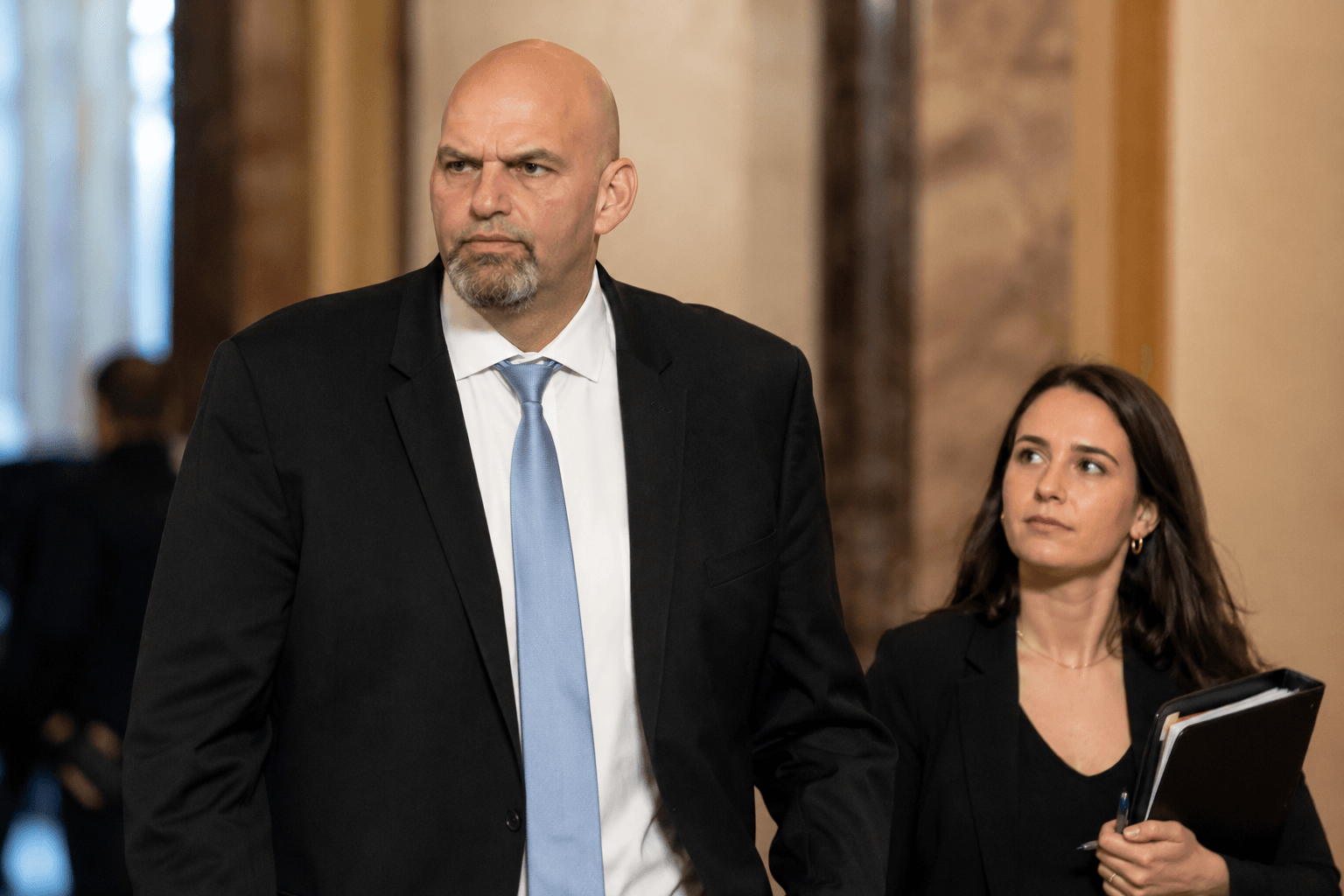

In American politics, elected officials often receive the majority of public attention, but behind every major political office is a team of advisors, strategists, and staff members who help manage daily operations and policy decisions. One of the most important positions in any political office is the chief of staff. In recent years, public interest has grown around the leadership team working with Pennsylvania Senator John Fetterman, especially during periods involving health concerns, political debates, and national media attention.
The role of a chief of staff is both powerful and demanding. Chiefs of staff help coordinate communication, manage schedules, oversee legislative priorities, and advise political leaders during major decisions. In the case of Senator John Fetterman, his chief of staff and senior advisors have played a major role in helping manage one of the most closely watched Senate offices in the United States.
Discussions about Fetterman’s office have increased because of his unique political style, health challenges, outspoken public image, and growing influence within national politics. The attention surrounding his leadership team reflects how modern political offices operate under constant public and media scrutiny.
Who Is John Fetterman?
John Fetterman is a Democratic politician from Pennsylvania who became nationally known for his unconventional political image and progressive policy positions. Before serving in the United States Senate, Fetterman worked as the mayor of Braddock, Pennsylvania, a small steel town near Pittsburgh.
His background and appearance helped him stand out from traditional politicians. Known for wearing hoodies and shorts instead of formal suits, Fetterman built a public image focused on authenticity and direct communication.
Fetterman later became Pennsylvania’s lieutenant governor before running for the U.S. Senate in 2022. His Senate campaign attracted national attention because of major political issues such as economic inequality, healthcare, labor rights, marijuana legalization, and criminal justice reform.
During the Senate campaign, Fetterman also faced major health challenges after suffering a stroke shortly before the election. His recovery process became a major topic in national political discussions and increased public attention on his staff and support team.
The Importance of a Chief of Staff
A chief of staff is one of the most influential people in a political office. While senators and governors make public appearances and policy announcements, chiefs of staff often manage the internal structure of operations behind the scenes.
Their responsibilities typically include organizing schedules, coordinating legislative goals, supervising staff members, managing communications, and serving as trusted advisors during political or personal challenges.
In Washington, D.C., chiefs of staff are often viewed as gatekeepers because they control access to political leaders and help shape policy priorities.
For high-profile politicians like John Fetterman, the chief of staff position becomes even more important because of constant media coverage and political pressure.
Public Attention on Fetterman’s Staff
Interest in Fetterman’s chief of staff increased significantly after his stroke and recovery process during the 2022 Senate race. Questions about his health, communication abilities, and readiness to serve led many journalists and political observers to focus on how his office operated behind the scenes.
During this time, senior staff members became central figures in helping coordinate public messaging, healthcare scheduling, media communication, and legislative planning.
Political offices often rely heavily on trusted advisors during moments of crisis or uncertainty. For Fetterman’s team, balancing public transparency with personal privacy became a major challenge.
Supporters praised his staff for helping him continue his campaign and Senate responsibilities despite health obstacles. Critics, however, sometimes questioned whether staff members had too much influence over communication decisions.
Health Challenges and Political Pressure
One of the most discussed periods in Fetterman’s political career involved his recovery from a stroke and later treatment for depression.
In 2023, Fetterman checked into Walter Reed National Military Medical Center for treatment related to clinical depression. The announcement received widespread media attention because mental health discussions involving public officials are still relatively uncommon in national politics.
During this period, Fetterman’s staff played a major role in maintaining office operations and communicating updates to the public.
The situation also sparked broader discussions about mental health awareness, workplace stress, and the pressure faced by political leaders in modern government.
Many mental health advocates praised Fetterman for seeking professional treatment publicly, arguing that it helped reduce stigma around depression and emotional health challenges.
The Role of Communication in Politics
In today’s political environment, communication teams and chiefs of staff must respond quickly to news cycles, social media discussions, and public criticism.
Fetterman’s office became known for using direct and sometimes unconventional communication styles. His social media presence often included humor, internet culture references, and sharp responses to political opponents.
This strategy helped Fetterman connect with younger voters and online audiences, but it also created criticism from opponents who viewed some messaging as overly aggressive or informal.
Chiefs of staff and communications advisors are usually deeply involved in shaping these public strategies. They help balance political messaging with long-term reputation management.
Political Leadership Behind the Scenes
Political staff members rarely receive the same public recognition as senators or presidents, but their influence can be significant.
Chiefs of staff often help draft policy proposals, coordinate meetings with lawmakers, and negotiate legislative priorities with party leaders.
In the Senate, successful leadership depends heavily on organization, scheduling, and relationship management. Behind-the-scenes coordination becomes especially important when lawmakers face personal or political challenges.
Fetterman’s office demonstrated how modern political operations rely on strong internal management teams to maintain stability during periods of intense public attention.
Media Coverage and Public Perception
Media coverage surrounding Fetterman and his staff has often reflected broader political divisions in the United States.
Supporters generally describe him as an authentic and relatable politician who represents working-class voters and speaks openly about personal struggles.
Critics argue that concerns about his health and communication abilities deserve serious public discussion because of the responsibilities connected to serving in the Senate.
As a result, Fetterman’s chief of staff and advisors have frequently found themselves responding to political criticism, media analysis, and public speculation.
This level of scrutiny reflects how modern political staff members increasingly operate in highly visible public environments.
The Human Side of Politics
One reason the public has followed Fetterman’s office closely is because his story highlights the human side of politics.
Politicians are often expected to appear constantly strong, energetic, and prepared. However, health challenges and personal struggles can affect anyone, including elected officials.
Fetterman’s recovery process brought attention to the emotional and physical demands of political life. It also highlighted the importance of support systems within government offices.
Chiefs of staff and senior advisors often help leaders manage stress, coordinate healthcare needs, and maintain operational stability during difficult situations.
Political Strategy and Future Influence
As Fetterman continues serving in the Senate, his leadership team will likely remain an important part of his political success.
Senate offices handle complex responsibilities involving legislation, constituent services, committee work, media relations, and national political strategy.
Political analysts believe Fetterman’s communication style and progressive platform could continue influencing Democratic Party strategies, especially among younger and working-class voters.
His staff will likely continue playing a major role in shaping how his policies and public image are presented nationally.
The Broader Meaning of Staff Leadership
The attention surrounding Fetterman’s chief of staff also reflects a larger truth about government and politics. Public officials may receive headlines, but effective leadership often depends on experienced teams working behind the scenes.
Chiefs of staff manage crises, coordinate policy decisions, oversee communication strategies, and help political offices function smoothly during both normal operations and major controversies.
In modern politics, where social media and 24-hour news cycles create constant pressure, the importance of strong internal leadership has become greater than ever.
Conclusion
The growing public interest in John Fetterman’s chief of staff and political team demonstrates how closely Americans now follow not only elected officials but also the advisors who support them.
From health challenges and political controversies to media strategy and legislative planning, Fetterman’s office has faced intense public attention during a unique period in American politics.
The role of a chief of staff remains essential in managing modern political leadership. Behind every major political figure is a network of professionals responsible for helping government offices operate effectively under pressure.
As political divisions and media scrutiny continue to shape national conversations, the leadership and organization behind political offices will remain an important part of how modern democracy functions in the United States.


Leave a Reply