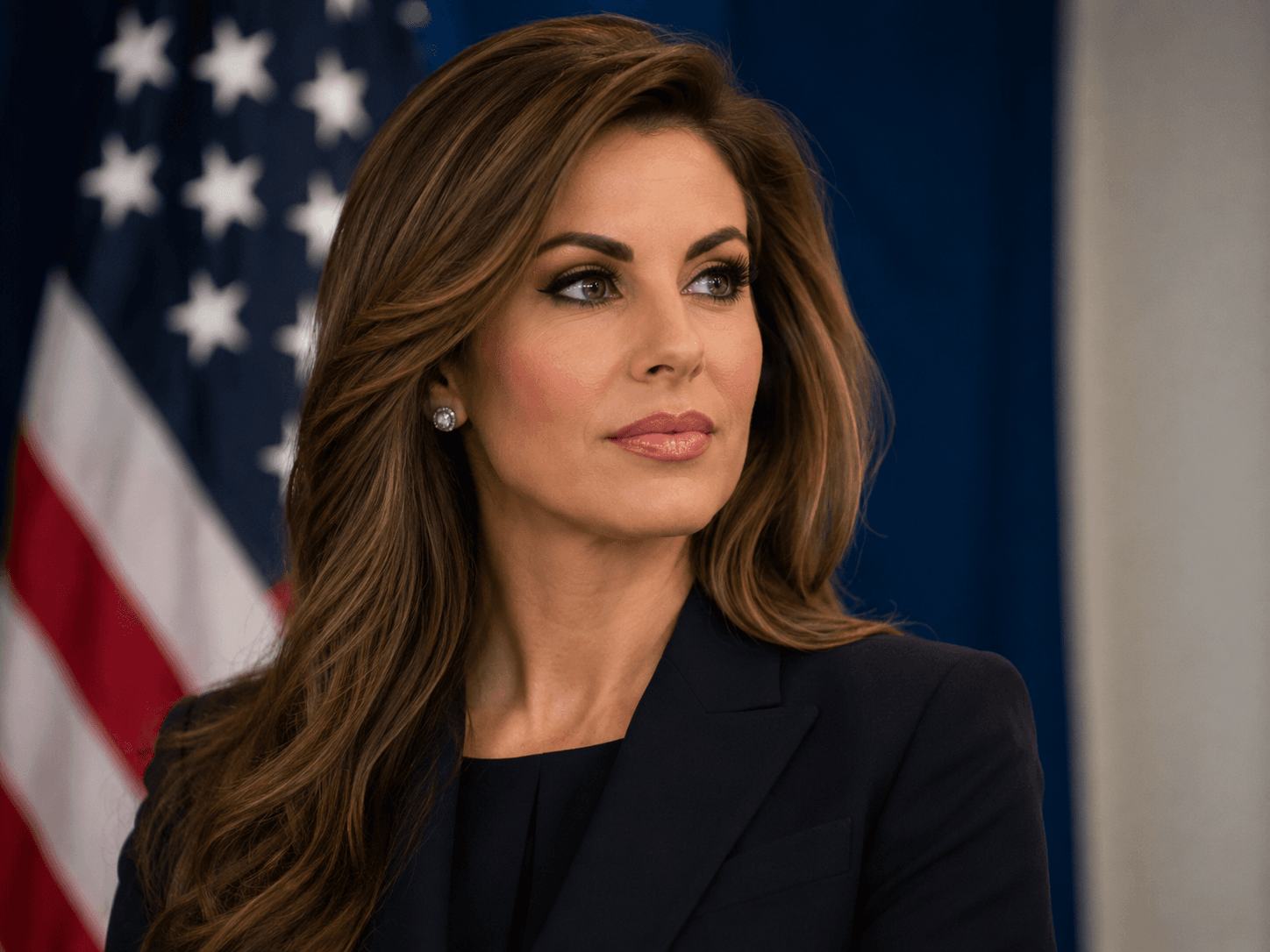

Morgan Ortagus has become a well-known figure in American politics, media, and foreign policy discussions over the last several years. Known for her work as a government spokesperson, political commentator, and national security expert, Ortagus gained national recognition during her time serving as spokesperson for the United States Department of State.
Her media appearances, diplomatic role, and political involvement have made her a familiar face to many Americans interested in foreign policy and national politics. Supporters often describe her as a skilled communicator with strong national security experience, while critics sometimes question political messaging connected to major policy debates.
Morgan Ortagus represents a modern generation of political figures who combine government service, television media experience, and digital communication strategies. Her career reflects how politics and media have become increasingly connected in today’s fast-moving information environment.
Early Life and Education
Morgan Ortagus was born in Florida and grew up in a business-oriented family environment. From an early age, she showed an interest in international affairs, economics, and political communication.
She studied political science and international relations before continuing her education in areas connected to global security and diplomacy. Her academic background helped prepare her for future roles involving international policy and government communication.
Before becoming widely known in national politics, Ortagus worked in financial and security-related positions connected to international affairs. These experiences gave her exposure to topics such as counterterrorism, economic sanctions, and Middle East policy.
Career in National Security and Government
Morgan Ortagus built much of her professional reputation through work connected to national security and international relations. She worked in positions involving financial intelligence and government policy, particularly in areas related to economic sanctions and global security threats.
Her background in international finance and national security helped her develop expertise in issues involving terrorism financing, geopolitical tensions, and diplomatic strategy.
Ortagus later became involved in television commentary and public policy discussions, where she frequently appeared on news programs discussing foreign affairs and political developments.
Her ability to explain complex international issues in simple language helped increase her visibility in national media.
Role as State Department Spokesperson
Morgan Ortagus became nationally recognized when she was appointed spokesperson for the United States Department of State during the administration of President Donald Trump.
In this position, she represented the State Department during press briefings, media interviews, and public discussions about American foreign policy.
As spokesperson, Ortagus addressed major international events involving China, Iran, North Korea, NATO, Middle East diplomacy, and global security issues.
The role required strong communication skills because the spokesperson often serves as the public voice of U.S. diplomatic strategy.
During her time at the State Department, Ortagus regularly defended administration policies while responding to questions from journalists and international observers.
Media Presence and Public Image
One reason Morgan Ortagus became widely recognized is her strong media presence.
Before and after serving in government, she appeared on television networks discussing political strategy, international affairs, and national security topics.
Her communication style is often described as confident, direct, and media-friendly. In modern politics, public communication has become extremely important because government officials must respond quickly to changing news cycles and online discussions.
Ortagus used both traditional media and social media platforms to communicate with audiences. This combination reflects how political figures increasingly rely on digital communication to shape public opinion and maintain visibility.
Foreign Policy and Middle East Focus
Much of Morgan Ortagus’s public work has focused on foreign policy and Middle East affairs.
During her government service, the United States faced several major international challenges involving Iran, Syria, Afghanistan, and tensions with China.
Ortagus frequently defended American diplomatic positions related to sanctions, military partnerships, and regional security strategies.
She also supported efforts connected to Middle East diplomacy and agreements involving Israel and several Arab nations. These diplomatic developments became an important part of the Trump administration’s foreign policy record.
Her role required balancing diplomatic messaging with political communication, especially during periods of international tension.
Political Ambitions and Public Attention
After leaving the State Department, Morgan Ortagus remained active in political discussions and media commentary.
She later entered Republican political circles more directly by becoming involved in election campaigns and political strategy.
Ortagus attracted attention when she announced a congressional campaign in Tennessee. Her candidacy received significant media coverage because of her previous government role and national profile.
Political observers debated whether her background in foreign policy and television media would help her transition successfully into elected office.
Although political campaigns can be highly competitive, her campaign demonstrated how former government officials often use media recognition to build political support.
The Role of Women in Modern Politics
Morgan Ortagus is also part of a growing number of women taking visible leadership roles in American politics and national security.
Historically, foreign policy and defense positions were often dominated by men, but modern political institutions have seen increasing participation from women across government and diplomacy.
Ortagus’s career reflects these changing trends. She became a prominent female voice in discussions involving military strategy, diplomacy, and international relations.
Supporters argue that greater representation in political leadership helps bring broader perspectives into public policy discussions.
Challenges of Political Communication
Serving as a government spokesperson is often a difficult role because officials must respond to criticism, defend policies, and communicate clearly during periods of political tension.
During her time at the State Department, Ortagus faced questions about controversial foreign policy decisions, international conflicts, and diplomatic disagreements.
Political communication has become increasingly challenging in the age of social media because information spreads rapidly and public reactions can change quickly.
Government spokespersons must carefully balance transparency, diplomacy, and political messaging while maintaining public trust.
Public Perception and Criticism
Like many political figures, Morgan Ortagus has both strong supporters and critics.
Supporters praise her communication abilities, national security knowledge, and willingness to defend American foreign policy interests.
Critics sometimes argue that government spokespersons focus too heavily on political messaging rather than independent analysis.
Public opinion about Ortagus often reflects broader political divisions within the United States.
This level of political polarization is common in modern American politics, where media appearances and public statements are frequently analyzed through partisan perspectives.
The Connection Between Politics and Media
Morgan Ortagus’s career highlights the growing relationship between politics and media in the modern era.
Television appearances, online interviews, podcasts, and social media posts now play a major role in shaping public understanding of political issues.
Political figures who communicate effectively through media platforms often gain stronger public recognition and influence.
Ortagus’s success in both government communication and television commentary demonstrates how media skills have become increasingly valuable in political careers.
Future Influence in Politics
Many political analysts believe Morgan Ortagus could continue influencing American political discussions through media, policy work, or future political campaigns.
Her experience in diplomacy, national security, and communication gives her a strong platform in Republican political circles and conservative media.
As international relations and national security remain important issues in American politics, figures with foreign policy expertise are likely to remain highly visible.
Whether through television commentary, public speaking, or future government roles, Ortagus is expected to remain active in political discussions for years to come.
Conclusion
Morgan Ortagus has built a career that combines politics, diplomacy, media communication, and national security expertise.
From her work in financial intelligence and foreign policy to her role as State Department spokesperson, she became a recognizable voice in American political discussions.
Her career also reflects larger changes in modern politics, where media presence and digital communication are increasingly connected to political influence.
As debates about foreign policy, national security, and political communication continue shaping public conversations, Morgan Ortagus is likely to remain an important figure in both media and political circles.


Leave a Reply