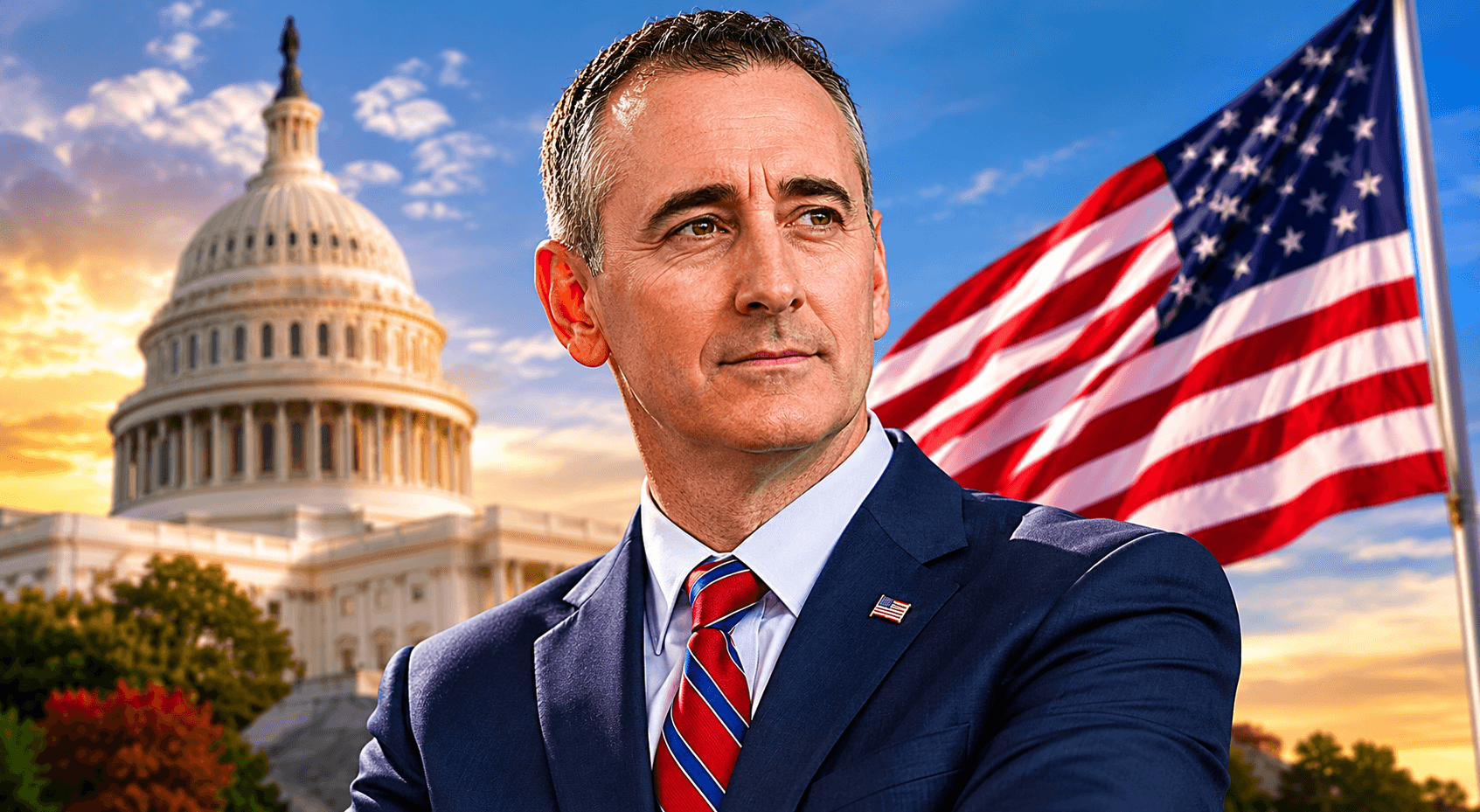

In today’s rapidly changing political and technological landscape, few leaders have managed to bridge the gap between public service, bipartisan cooperation, and modern innovation as effectively as Brian Fitzpatrick. Known for his pragmatic leadership style, commitment to national security, and focus on bipartisan solutions, Fitzpatrick has become a notable figure in American politics. His journey from FBI special agent to respected member of Congress highlights a career built on discipline, integrity, and service.
As political polarization continues to dominate headlines, many Americans are searching for leaders who prioritize solutions over division. Brian Fitzpatrick’s career offers an example of how balanced leadership and collaboration can still thrive in modern governance.
Who Is Brian Fitzpatrick?
Brian Fitzpatrick is an American politician, attorney, and former FBI agent serving as the U.S. Representative for Pennsylvania’s 1st congressional district. Before entering politics, Fitzpatrick built a distinguished career in law enforcement and national security, working on domestic and international investigations during his tenure with the Federal Bureau of Investigation.
His background in intelligence and public safety significantly shaped his approach to politics. Rather than focusing solely on partisan agendas, Fitzpatrick often emphasizes practical policy solutions, national security preparedness, economic growth, and community-centered governance.
Born into a family with a tradition of public service, Fitzpatrick inherited a strong sense of civic responsibility. His early exposure to government operations and community leadership helped define the values that continue to guide his political career today.
From FBI Agent to Congressman
One of the most fascinating aspects of Brian Fitzpatrick’s professional journey is his transition from federal law enforcement to national politics. Before serving in Congress, he worked as an FBI special agent specializing in areas such as counterterrorism, corruption investigations, and intelligence operations.
His experience operating in high-pressure environments gave him a unique perspective on issues related to national defense, cybersecurity, and international threats. Unlike many traditional politicians, Fitzpatrick entered Congress with direct experience handling real-world security challenges.
This background helped establish his reputation as a thoughtful and informed policymaker, particularly on issues involving law enforcement, intelligence reform, and homeland security.
A Bipartisan Political Approach
One of the defining characteristics of Brian Fitzpatrick’s political identity is his bipartisan approach. At a time when political division often dominates Washington, Fitzpatrick has consistently positioned himself as a moderate willing to work across party lines.
His voting record and legislative efforts frequently demonstrate a willingness to collaborate with both Democrats and Republicans when addressing key national issues. This has earned him recognition as one of the more independent voices in Congress.
Supporters argue that his bipartisan mindset reflects the needs of everyday Americans who care more about effective governance than political conflict. Critics from both sides occasionally challenge his centrist approach, but Fitzpatrick has remained committed to finding common ground.
In many ways, his political strategy reflects a broader demand among voters for practical leadership focused on results rather than ideological battles.
Focus on National Security
Given his extensive FBI background, it is no surprise that national security remains one of Fitzpatrick’s top priorities. Throughout his congressional career, he has advocated for stronger cybersecurity protections, modernized intelligence capabilities, and improved international cooperation.
Cybersecurity in particular has become a critical issue in recent years as governments, businesses, and individuals face increasing digital threats. Fitzpatrick has repeatedly highlighted the importance of preparing the United States for emerging cyber warfare challenges.
His legislative efforts often focus on protecting critical infrastructure, strengthening law enforcement resources, and enhancing coordination between federal agencies. Supporters view his expertise in these areas as a valuable asset in an increasingly complex global environment.
Economic Development and Community Growth
Beyond national security, Brian Fitzpatrick has also emphasized economic development and local community investment. Representing a district with diverse economic interests, he has advocated for policies aimed at supporting small businesses, improving infrastructure, and expanding workforce opportunities.
Small businesses play a major role in the American economy, and Fitzpatrick frequently highlights the importance of entrepreneurship and innovation. He has supported initiatives designed to help businesses recover from economic disruptions while encouraging sustainable growth.
Infrastructure modernization is another area where Fitzpatrick has demonstrated bipartisan engagement. Roads, bridges, transportation systems, and broadband expansion have become central components of national economic discussions, and Fitzpatrick has often supported practical infrastructure investments that benefit local communities.
Environmental and Energy Policies
Environmental policy remains one of the most challenging issues in modern politics, requiring a balance between economic growth and sustainability. Fitzpatrick has generally supported policies that encourage environmental protection while also recognizing the economic realities faced by businesses and workers.
His approach often centers on innovation-driven solutions, including clean energy technologies, sustainable infrastructure, and environmentally responsible economic development.
By supporting realistic environmental reforms rather than extreme ideological positions, Fitzpatrick has attempted to appeal to voters seeking balanced energy and climate policies.
Why Brian Fitzpatrick Stands Out
Several factors distinguish Brian Fitzpatrick from many contemporary political figures.
- Law Enforcement Experience: His FBI background provides firsthand understanding of national security and intelligence operations.
- Bipartisan Reputation: Fitzpatrick consistently promotes cross-party cooperation.
- Moderate Leadership Style: His centrist approach attracts voters frustrated with political extremism.
- Community Focus: He frequently prioritizes local economic development and constituent concerns.
- Policy-Based Governance: Rather than relying solely on political rhetoric, Fitzpatrick often emphasizes policy solutions and measurable outcomes.
These qualities have helped him maintain relevance and support within a highly competitive political environment.
The Challenges of Modern Moderation
While bipartisan leadership can appeal to many voters, it also presents significant political challenges. In today’s highly polarized political climate, moderate politicians often face criticism from both ideological extremes.
Fitzpatrick’s willingness to collaborate across party lines has occasionally drawn opposition from partisan activists who prefer stricter party loyalty. However, his continued electoral success suggests that many voters still value independent thinking and practical governance.
The broader political question surrounding figures like Fitzpatrick is whether moderation can remain influential in an era increasingly shaped by ideological conflict and media-driven polarization.
The Future of Leadership in American Politics
Brian Fitzpatrick’s career may represent a larger conversation about the future of American political leadership. As citizens grow increasingly frustrated with gridlock and partisan hostility, leaders who focus on cooperation and results could become more important.
Fitzpatrick’s emphasis on public service, national security expertise, and bipartisan governance reflects an alternative model of political leadership—one centered on problem-solving rather than constant political confrontation.
Whether discussing cybersecurity, economic growth, infrastructure investment, or environmental sustainability, his approach consistently prioritizes practical solutions over ideological messaging.
Conclusion
Brian Fitzpatrick has built a political identity rooted in service, pragmatism, and bipartisan cooperation. From his years as an FBI special agent to his role in Congress, he has consistently emphasized national security, economic development, and responsible governance.
In a political environment often dominated by division and partisanship, Fitzpatrick’s leadership style offers a different perspective—one focused on collaboration, policy expertise, and long-term solutions.
While opinions about his policies may vary, his commitment to independent thinking and public service has positioned him as one of the more distinctive voices in contemporary American politics.
As the United States continues to navigate complex domestic and global challenges, leaders who prioritize practical governance and bipartisan dialogue may play an increasingly important role in shaping the country’s future. Brian Fitzpatrick’s career serves as an example of how experience, moderation, and public service can still hold significant value in modern leadership.




Leave a Reply