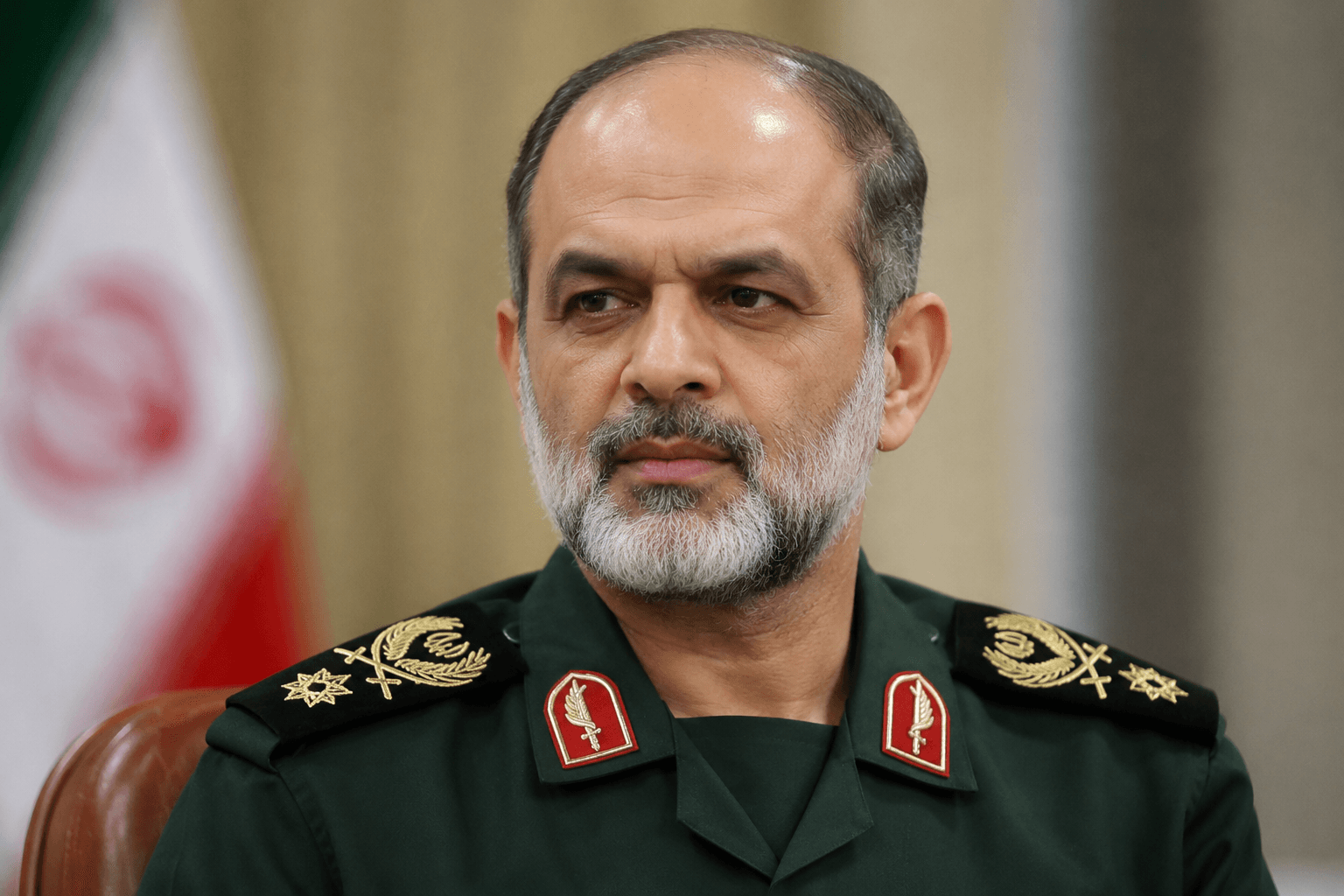

Ahmad Vahidi is one of the most recognized military and political figures in modern Iran. Known for his involvement in Iran’s military leadership, defense policies, and political administration, Vahidi has played an influential role in shaping the country’s national security strategy and regional presence over the past several decades.
As global tensions in the Middle East continue to influence international politics, leaders associated with military and strategic decision-making remain highly significant. Ahmad Vahidi’s career reflects the intersection of military power, political authority, and geopolitical influence in one of the world’s most strategically important regions.
Supporters view him as an experienced defense strategist committed to strengthening Iran’s security and regional position, while critics associate his career with international controversies and geopolitical tensions. Regardless of perspective, Ahmad Vahidi remains an important figure in discussions surrounding Iranian politics, military policy, and Middle Eastern affairs.
Who Is Ahmad Vahidi?
Ahmad Vahidi is an Iranian military commander and politician who has held several important positions within Iran’s government and defense establishment. He is closely connected with the Islamic Revolutionary Guard Corps (IRGC), one of Iran’s most powerful military organizations.
Born in Iran, Vahidi became involved in revolutionary and military activities during the years following the 1979 Iranian Revolution. Over time, he rose through the ranks of Iran’s military structure and became recognized for his strategic and organizational capabilities.
Throughout his career, he has held key roles related to defense, intelligence, and internal security, contributing to Iran’s broader military and geopolitical strategies.
The Islamic Revolutionary Guard Corps (IRGC)
To understand Ahmad Vahidi’s influence, it is important to understand the role of the Islamic Revolutionary Guard Corps. The IRGC was established after the Iranian Revolution to protect the country’s political system and national interests.
Unlike traditional military forces, the IRGC operates across multiple areas including defense, intelligence, regional operations, cybersecurity, and strategic planning. It has become one of the most influential institutions within Iran.
Ahmad Vahidi’s long association with the IRGC significantly shaped his career and political influence. His military background helped establish his reputation as a strategic thinker focused on national security and regional defense.
Role in Iran’s Defense Policies
One of the most important phases of Ahmad Vahidi’s career was his service as Iran’s Minister of Defense. In this role, he oversaw military modernization efforts, defense planning, and strategic coordination.
Iran has consistently prioritized strengthening its military capabilities due to regional conflicts, international sanctions, and geopolitical tensions. During Vahidi’s time in leadership positions, Iran continued developing missile systems, defense technologies, and strategic military infrastructure.
Supporters argue that such policies were necessary to protect Iran’s sovereignty and deter external threats. They view military preparedness as essential for maintaining national stability in a volatile region.
Defense policy in Iran often focuses on asymmetric warfare strategies, regional influence, and self-reliance in military production due to international sanctions and restrictions.
Regional Influence and Geopolitics
The Middle East remains one of the world’s most politically complex regions. Conflicts involving regional powers, international alliances, and ideological divisions continue shaping global diplomacy and security policies.
Ahmad Vahidi’s career is closely connected to Iran’s broader regional strategy. Iran has sought to expand its political and strategic influence across the Middle East through alliances, diplomatic relationships, and military partnerships.
Supporters of Iran’s regional policies argue that strategic influence helps maintain regional balance and national security. Critics, however, believe Iran’s activities contribute to instability and increase geopolitical tensions.
As a senior military and political figure, Vahidi became associated with these broader strategic discussions concerning Iran’s role in regional affairs.
International Controversies
Ahmad Vahidi has also been associated with international controversies and legal disputes. Several governments and international organizations have raised concerns regarding Iran’s regional activities and alleged involvement in certain international incidents.
These controversies have contributed to diplomatic tensions between Iran and several Western nations. International sanctions and political disagreements have also affected Iran’s economic and foreign policy environment.
Supporters within Iran often view international criticism as politically motivated or influenced by geopolitical rivalries. Critics, however, argue that accountability and international cooperation are necessary for regional stability.
These contrasting perspectives demonstrate the complexity of international relations involving Iran and its leadership figures.
Iran’s Security Challenges
Iran faces numerous security challenges, including regional conflicts, cyber threats, economic sanctions, and diplomatic pressure. Military leaders and political strategists play central roles in addressing these issues.
Ahmad Vahidi’s leadership experience reflects the importance Iran places on national defense and strategic preparedness. Security policies often focus on:
- Border protection
- Missile defense systems
- Cybersecurity capabilities
- Regional alliances
- Counterterrorism operations
Iran’s military strategy has increasingly emphasized technological development and domestic defense production as ways to reduce dependence on foreign suppliers.
The Relationship Between Politics and Military Power
In many countries, military influence and political authority are closely connected. Iran is no exception. Figures like Ahmad Vahidi illustrate how military leadership can shape national political direction and strategic policy.
Military experience often provides leaders with expertise in crisis management, security planning, and organizational discipline. At the same time, the relationship between military institutions and civilian governance can become a subject of political debate.
Supporters believe experienced military leaders bring stability and strategic thinking to government positions. Critics may express concerns regarding transparency, civil liberties, and concentration of power.
These debates remain important in discussions about governance and political systems worldwide.
The Impact of Sanctions on Iran
International sanctions have significantly affected Iran’s economy, trade, and technological development. Restrictions on banking, energy exports, and international commerce have created economic challenges for businesses and citizens.
Iranian leaders have responded by promoting economic resilience, domestic production, and strategic partnerships with non-Western countries.
Military and political leaders associated with defense planning, including Ahmad Vahidi, have often emphasized self-sufficiency and national resilience as critical priorities.
Sanctions continue influencing Iran’s domestic policies, international negotiations, and long-term economic planning.
Public Perception and Legacy
Public opinion regarding Ahmad Vahidi varies significantly depending on political perspective, geography, and international viewpoint.
Supporters within Iran may view him as a patriot who dedicated his career to protecting national interests and strengthening defense capabilities.
Critics outside Iran may focus more heavily on controversies connected to regional tensions and international allegations.
Regardless of differing opinions, Vahidi’s influence on Iran’s military and political landscape is undeniable. His career represents broader themes involving national security, geopolitical competition, and strategic leadership in the modern Middle East.
The Future of Regional Stability
The future of the Middle East will continue to depend heavily on diplomacy, regional cooperation, economic development, and security policy.
Leaders associated with military strategy and political decision-making will remain central figures in shaping regional dynamics.
International dialogue, conflict prevention, and economic partnerships may play important roles in reducing tensions and improving stability.
As global power structures evolve, countries like Iran will continue influencing major international discussions involving energy, security, trade, and diplomacy.
Conclusion
Ahmad Vahidi remains one of the most influential military and political figures associated with modern Iran. His career reflects the complex relationship between defense strategy, political leadership, and regional geopolitics.
From his involvement with the Islamic Revolutionary Guard Corps to his role in Iran’s defense establishment, Vahidi has contributed significantly to the country’s national security policies and strategic direction.
While opinions regarding his legacy differ widely, his impact on Iranian politics and Middle Eastern affairs cannot be ignored.
As regional and global challenges continue evolving, figures connected to defense, diplomacy, and national strategy will remain highly important in shaping the future of international relations and geopolitical stability.





Leave a Reply