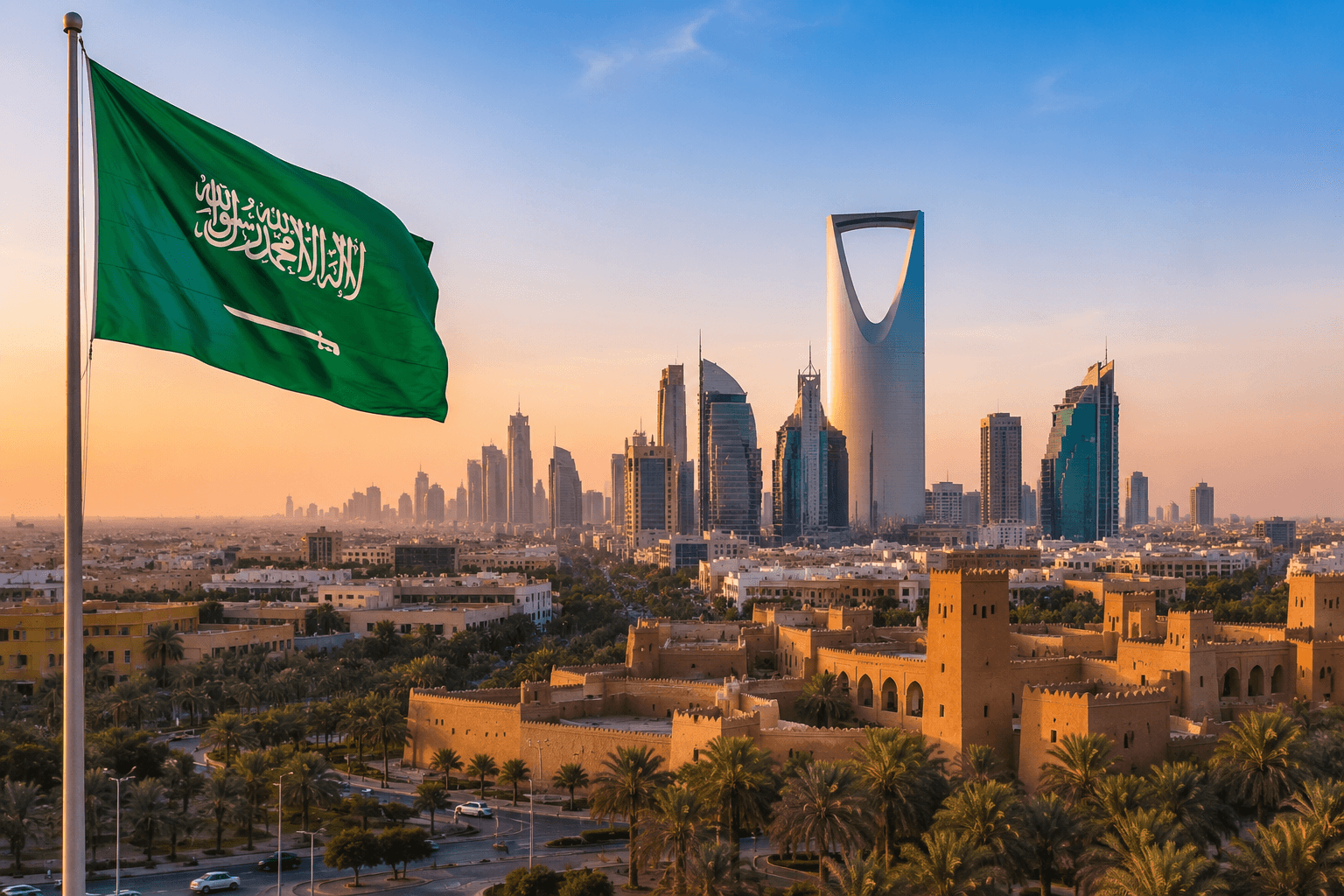

Saudi Arabia is one of the most influential countries in the Middle East and the wider world. Known for its vast deserts, rich Islamic heritage, massive oil reserves, and rapidly changing economy, the Kingdom of Saudi Arabia has played a central role in global politics, religion, and energy markets for decades.
Located on the Arabian Peninsula, Saudi Arabia is the largest country in the Middle East and serves as the birthplace of Islam. Every year, millions of Muslims travel to the holy cities of Mecca and Medina for pilgrimage, making the kingdom one of the most spiritually significant places in the world.
At the same time, Saudi Arabia is undergoing major social and economic transformation. Under ambitious modernization programs, the country is investing heavily in tourism, technology, infrastructure, entertainment, and renewable energy as it seeks to diversify its economy beyond oil.
The contrast between deep-rooted traditions and rapid modernization makes Saudi Arabia one of the most fascinating and closely watched countries in the modern world.
Geography and Climate
Saudi Arabia occupies most of the Arabian Peninsula and shares borders with countries including Jordan, Iraq, Kuwait, Qatar, the United Arab Emirates, Oman, and Yemen. It also has coastlines along both the Red Sea and the Arabian Gulf.
The country’s landscape is dominated by deserts, rocky plateaus, mountains, and dry plains. One of the most famous deserts is the Rub’ al Khali, also known as the Empty Quarter, which is one of the largest sand deserts on Earth.
Saudi Arabia experiences a hot desert climate, with extremely high temperatures during the summer months in many regions. However, mountainous areas in the southwest enjoy cooler weather and more rainfall.
Despite its harsh climate, Saudi Arabia has developed major modern cities with advanced infrastructure and world-class facilities.
The Importance of Islam
Saudi Arabia holds enormous religious significance because it is home to Islam’s two holiest cities: Mecca and Medina.
Mecca is the birthplace of the Prophet Muhammad and the location of the Kaaba, the sacred structure toward which Muslims pray daily. Every year, millions of Muslims participate in the Hajj pilgrimage, one of the Five Pillars of Islam.
Medina is the city where the Prophet Muhammad established the first Muslim community and where he is buried.
Because of this religious importance, Saudi Arabia plays a major role in the Islamic world. The country invests heavily in maintaining holy sites and managing the massive annual pilgrimages.
Religion also strongly influences Saudi society, laws, traditions, and daily life. Islamic values remain central to the kingdom’s national identity.
The Rise of Saudi Arabia
The modern Kingdom of Saudi Arabia was officially founded in 1932 by King Abdulaziz Ibn Saud, who unified various tribes and regions under a single state.
One of the turning points in Saudi history came with the discovery of oil in the 1930s. Over time, Saudi Arabia developed into one of the world’s largest oil producers and exporters.
The country’s oil wealth transformed its economy and allowed for rapid modernization. Major cities, highways, airports, universities, and industrial centers were built using revenue generated from petroleum exports.
Saudi Arabia eventually became a major player in global energy markets and international politics due to its influence over oil production and pricing.
The state-owned company Saudi Aramco is now one of the largest and most valuable energy companies in the world.
Modern Cities and Development
Saudi Arabia is home to several major cities that reflect both historical traditions and modern urban growth.
Riyadh, the capital city, serves as the political and financial center of the kingdom. Over recent decades, Riyadh has expanded rapidly with skyscrapers, business districts, luxury developments, and advanced infrastructure.
Jeddah, located on the Red Sea coast, is known as a commercial hub and gateway to Mecca. The city combines historical neighborhoods with modern architecture and vibrant cultural life.
Mecca and Medina remain spiritual centers visited by millions of Muslims annually.
Saudi Arabia is also investing heavily in futuristic projects such as NEOM, a planned smart city intended to promote innovation, sustainability, and advanced technology.
These development projects are part of the kingdom’s broader efforts to diversify its economy and attract international investment.
Vision 2030 and Economic Transformation
One of the most important modern developments in Saudi Arabia is Vision 2030, a major national reform plan launched by Crown Prince Mohammed bin Salman.
The goal of Vision 2030 is to reduce Saudi Arabia’s dependence on oil and create a more diversified economy.
The plan focuses on several key sectors, including:
- Tourism
- Technology
- Entertainment
- Renewable energy
- Sports and culture
- Private sector investment
Saudi Arabia has opened new entertainment venues, cinemas, tourism destinations, and international sporting events as part of these reforms.
The government hopes these changes will create jobs, attract foreign investment, and improve quality of life for citizens.
Vision 2030 represents one of the most ambitious transformation programs in the country’s history.
Tourism and Cultural Heritage
For many years, tourism in Saudi Arabia was primarily centered around religious pilgrimage. However, the kingdom is now expanding its tourism industry to attract international travelers interested in history, culture, and natural beauty.
Saudi Arabia is home to ancient archaeological sites, traditional markets, mountain regions, and stunning desert landscapes.
Historical locations such as AlUla feature ancient rock formations, tombs, and ruins that date back thousands of years.
The Red Sea coastline offers beaches, coral reefs, and luxury tourism projects designed to compete with major international destinations.
Traditional Saudi culture is also becoming more visible through festivals, music events, museums, and heritage programs.
The country hopes tourism will become a major pillar of its future economy.
Culture and Society
Saudi culture is deeply rooted in Arab traditions and Islamic values. Hospitality, family connections, and respect for tradition remain central parts of daily life.
Traditional clothing such as the thobe for men and the abaya for women remains common, although fashion trends are evolving in urban areas.
Arabic is the official language, and Islamic holidays play a major role in public life.
Saudi cuisine includes dishes such as kabsa, grilled meats, dates, rice dishes, and Arabic coffee.
In recent years, social reforms have expanded entertainment options, increased women’s participation in the workforce, and allowed greater cultural openness.
These changes have generated both support and debate within Saudi society as the country balances modernization with tradition.
Global Influence and International Relations
Saudi Arabia plays a major role in international politics and global economics. As one of the world’s largest oil exporters, the kingdom has significant influence over energy markets.
The country is also an important regional power in the Middle East and maintains strategic relationships with major countries including the United States, China, and European nations.
Saudi Arabia participates in international organizations such as the United Nations, the Gulf Cooperation Council, and OPEC.
In addition to energy and politics, the kingdom has expanded its global influence through sports investments, international business partnerships, and large-scale infrastructure projects.
However, Saudi Arabia has also faced international criticism regarding human rights, political freedoms, and regional conflicts.
These issues continue shaping global discussions about the kingdom’s future and international role.
The Future of Saudi Arabia
Saudi Arabia is currently experiencing one of the most significant transitions in its modern history. Economic reforms, technological investments, and social changes are reshaping the kingdom at a rapid pace.
The success of Vision 2030 and other modernization efforts could determine the country’s long-term economic stability and global influence.
Young people make up a large portion of Saudi Arabia’s population, and many are increasingly connected to global culture, education, and technology.
Balancing modernization with religious and cultural traditions will remain one of the kingdom’s most important challenges.
At the same time, Saudi Arabia’s strategic location, financial resources, and political influence ensure that it will continue playing a major role in global affairs.
Conclusion
Saudi Arabia is a country of remarkable contrasts, where ancient traditions meet ambitious modernization. As the birthplace of Islam and one of the world’s leading energy producers, the kingdom has long held global importance.
Today, Saudi Arabia is undergoing rapid transformation through economic diversification, tourism development, technological investment, and social reform.
Its rich cultural heritage, religious significance, modern cities, and growing international influence make it one of the most important nations in the Middle East.
As the kingdom continues evolving, Saudi Arabia’s future will likely shape not only the region but also global discussions about energy, culture, religion, and economic development in the 21st century.




Leave a Reply