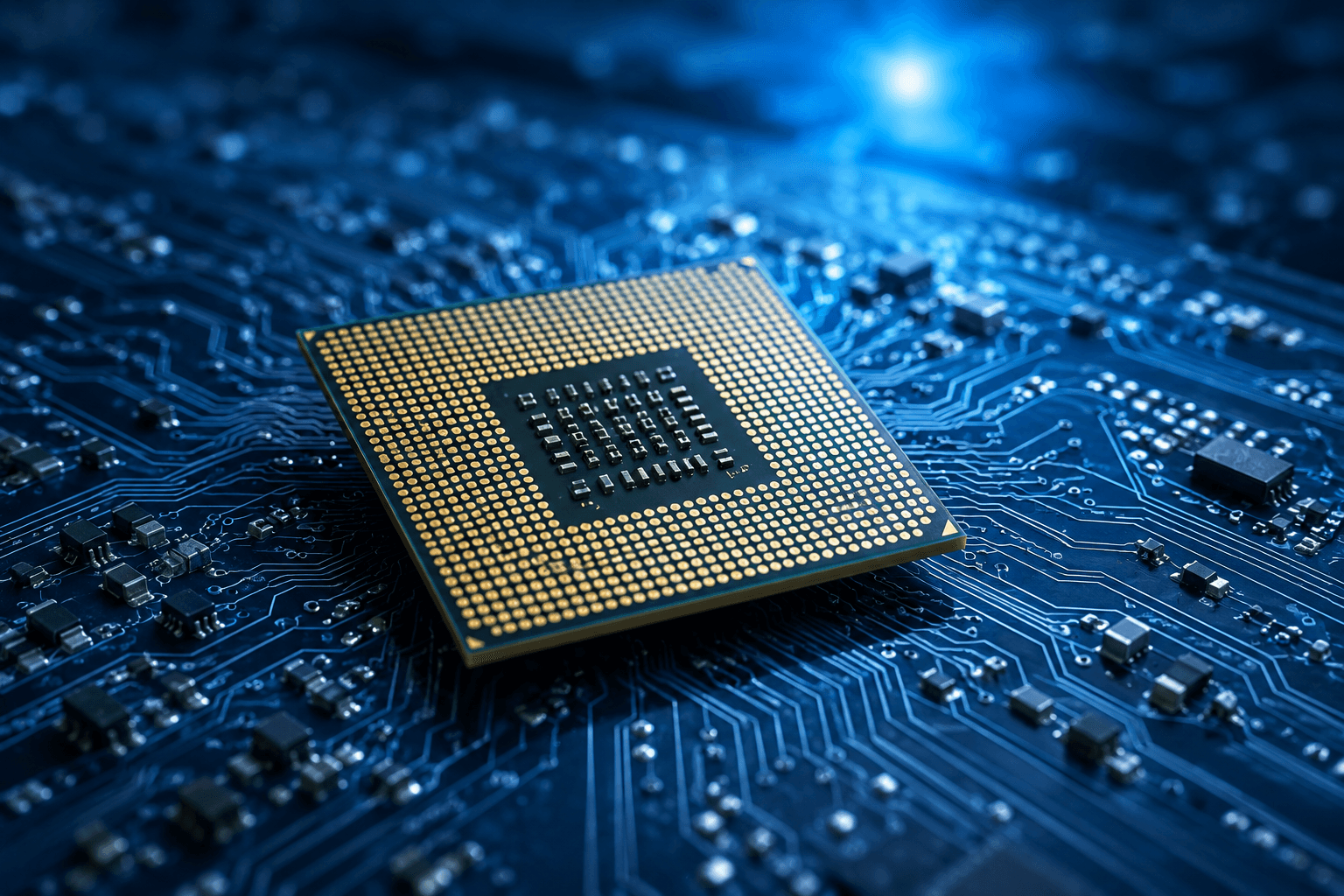

Intel Corporation is one of the most recognizable names in the semiconductor industry. For decades, the company has played a central role in powering personal computers, servers, and countless technological innovations worldwide. Traded on the NASDAQ under the ticker symbol INTC, Intel stock remains closely watched by investors seeking exposure to the semiconductor and technology sectors.
As the global demand for chips continues to rise due to artificial intelligence, cloud computing, data centers, and advanced manufacturing, Intel faces both significant opportunities and intense competition. Understanding Intel’s business model, growth strategy, challenges, and long-term outlook is essential for investors evaluating the stock.
This article explores Intel’s history, financial performance, competitive position, growth opportunities, risks, and future prospects.
What Is Intel Corporation?
Founded in 1968, Intel became one of the pioneers of the semiconductor industry. The company gained worldwide recognition through its microprocessors, which became the standard for personal computers during the PC revolution.
Intel’s processors have powered millions of desktops, laptops, servers, and enterprise systems across the globe. Over time, the company expanded into networking, data centers, artificial intelligence, and semiconductor manufacturing.
Today, Intel remains one of the world’s largest chipmakers and an important player in the global technology ecosystem.
Understanding Intel Stock
Intel stock trades under the ticker symbol INTC on the NASDAQ stock exchange.
Investors purchase Intel shares to gain exposure to the semiconductor industry, a sector that has become increasingly important in modern economies.
Intel is often viewed as a technology value stock due to its mature business, established market presence, and dividend payments.
Intel’s Core Business Segments
Intel operates across multiple business units that generate revenue from various technology markets.
- Client Computing Group (PC processors)
- Data Center and AI Group
- Network and Edge Solutions
- Foundry Services
- Graphics and Accelerated Computing
- Automotive and Embedded Technologies
This diversification helps Intel participate in multiple areas of technological growth.
The Importance of Semiconductors
Semiconductors serve as the foundation of modern technology.
They power smartphones, computers, vehicles, industrial systems, healthcare devices, and artificial intelligence applications.
As digital transformation accelerates worldwide, demand for advanced chips continues to increase.
This long-term trend creates substantial opportunities for companies operating within the semiconductor industry.
Intel’s Legacy in Personal Computing
For many years, Intel dominated the PC processor market.
Its processors became synonymous with personal computing, helping drive the growth of desktop and laptop markets globally.
Although competition has increased, Intel remains a major supplier of processors for consumer and enterprise computing devices.
Data Centers and Enterprise Growth
Data centers represent a critical growth area for Intel.
Cloud computing providers, enterprises, and governments require increasingly powerful processors to manage vast amounts of information.
Intel’s server processors have historically maintained a strong position in this market.
As data consumption continues to grow, data center demand remains an important revenue driver.
Artificial Intelligence Opportunities
Artificial intelligence is reshaping the technology landscape.
AI workloads require specialized hardware capable of handling complex calculations and massive datasets.
Intel has invested heavily in AI technologies to compete in this rapidly growing market.
Success in AI could significantly influence Intel’s future growth trajectory.
Intel Foundry Services
One of Intel’s most ambitious initiatives is its expansion into semiconductor manufacturing services.
The company aims to become a leading global foundry capable of manufacturing chips for third-party customers.
This strategy seeks to challenge established industry leaders while supporting supply chain diversification.
Foundry services represent a potentially transformative opportunity for Intel’s business model.
Government Support and Domestic Manufacturing
Many governments have identified semiconductor production as a strategic priority.
Concerns about supply chain resilience and national security have increased support for domestic chip manufacturing.
Intel has benefited from investments and incentives aimed at expanding semiconductor production capacity.
These initiatives may strengthen Intel’s competitive position over the long term.
Financial Performance
Investors closely monitor Intel’s financial results to assess business performance and future prospects.
Key metrics often include:
- Revenue growth
- Gross margins
- Earnings per share
- Cash flow generation
- Research and development spending
- Capital expenditures
Strong financial performance remains essential for funding innovation and maintaining competitiveness.
Dividend Appeal
Unlike many high-growth technology companies, Intel has historically offered dividend payments to shareholders.
Dividend income can make Intel attractive to investors seeking a combination of technology exposure and income generation.
However, dividend policies may evolve depending on business conditions and capital allocation priorities.
Competition in the Semiconductor Industry
Intel operates in one of the most competitive industries in the world.
Major competitors include:
- AMD
- NVIDIA
- Taiwan Semiconductor Manufacturing Company (TSMC)
- Qualcomm
- Samsung Electronics
- Broadcom
These companies compete across processors, graphics, AI hardware, networking, and manufacturing services.
Challenges Facing Intel
Intel has encountered several challenges in recent years.
These include manufacturing delays, market share pressures, technological transitions, and increased competition.
Maintaining leadership requires substantial investments in research, development, and manufacturing infrastructure.
The company’s ability to execute its turnaround strategy remains a key focus for investors.
The Importance of Innovation
Innovation is critical in the semiconductor industry.
Companies that fail to keep pace with technological advancements risk losing market share and profitability.
Intel continues investing billions of dollars in research and development to improve chip performance, efficiency, and manufacturing capabilities.
Future innovations could play a major role in determining long-term success.
Growth Opportunities
Several factors could support Intel’s future growth.
- Artificial intelligence adoption
- Expansion of cloud computing
- Data center demand
- Advanced manufacturing services
- Automotive technology growth
- Government semiconductor initiatives
These trends provide multiple avenues for revenue expansion.
Investment Risks
As with any investment, Intel stock carries risks.
Potential concerns include:
- Intense industry competition
- Technological disruption
- Economic slowdowns
- Execution risks in manufacturing expansion
- Supply chain challenges
- Changing customer demand
Investors should evaluate both opportunities and risks before making investment decisions.
Long-Term Outlook
Intel’s future depends largely on its ability to execute strategic initiatives, regain technological leadership, and capitalize on emerging growth markets.
The company’s investments in AI, foundry services, advanced manufacturing, and enterprise computing have the potential to reshape its competitive position.
While challenges remain, Intel continues to possess valuable assets, global scale, and deep industry expertise.
Conclusion
Intel stock represents ownership in one of the semiconductor industry’s most influential companies. With decades of innovation, a strong global presence, and ambitious plans for future growth, Intel remains a major force in technology.
Although competition and execution challenges create uncertainty, opportunities in artificial intelligence, cloud computing, semiconductor manufacturing, and data centers could drive future success. For investors interested in the technology sector, Intel continues to be a company worth watching as the global semiconductor market evolves.





Leave a Reply