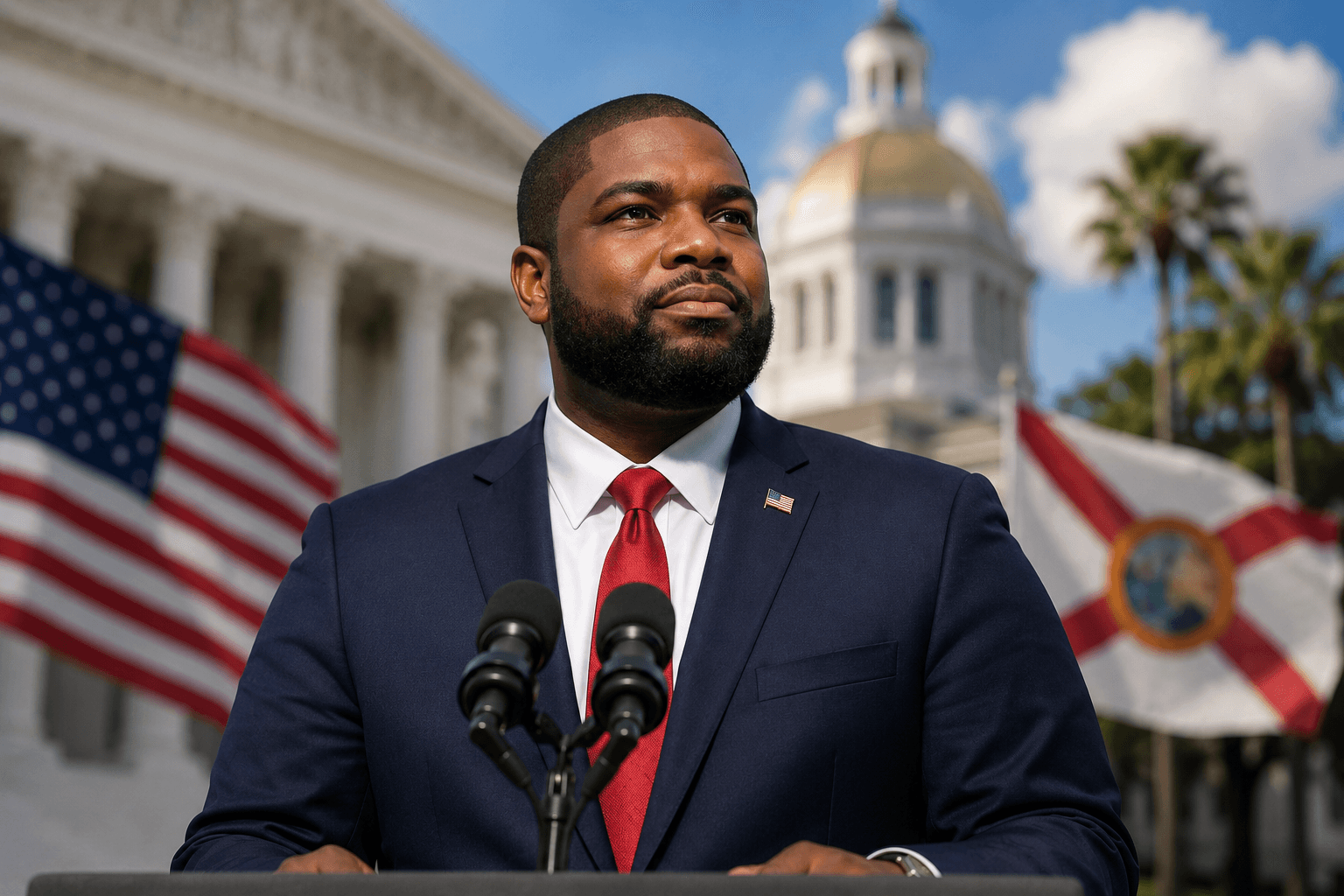

The Florida governor’s race is already attracting significant attention from political observers, voters, campaign strategists, and national media outlets. One of the most closely watched figures in recent polling discussions is Congressman Byron Donalds, whose growing profile within Republican politics has positioned him as a potential major contender in Florida’s political landscape.
As new polls emerge and voter preferences begin to take shape, the discussion surrounding Byron Donalds and the future of Florida’s governorship continues to intensify. Florida remains one of the most influential states in American politics, making any gubernatorial contest a matter of national interest.
This article examines Byron Donalds’ political background, recent polling trends, voter demographics, campaign strengths, potential challenges, and what the governor’s race could mean for Florida’s future.
Who Is Byron Donalds?
Byron Donalds is a Republican member of the U.S. House of Representatives representing a district in Southwest Florida. Since entering Congress, Donalds has gained national recognition for his conservative policy positions, media appearances, and active participation in key legislative debates.
Known for his focus on economic growth, fiscal responsibility, education reform, and limited government principles, Donalds has become a prominent voice within the Republican Party.
His rising national profile has led many political analysts to view him as a potential candidate for higher office, including a gubernatorial campaign.
Why the Florida Governor’s Race Matters
Florida is one of the largest and most politically significant states in the United States. With a population exceeding 22 million residents, the state’s economic influence, electoral importance, and diverse demographics make gubernatorial elections highly consequential.
The governor plays a central role in shaping policies related to:
- Education
- Economic development
- Tax policy
- Public safety
- Infrastructure
- Environmental protection
- Healthcare initiatives
- Disaster preparedness
As a result, voters closely evaluate candidates’ leadership abilities and policy priorities.
The Role of Polling in Modern Campaigns
Political polls serve as important tools for measuring voter sentiment throughout an election cycle.
Campaigns, media organizations, and political analysts rely on polling data to understand public opinion, identify key issues, and assess candidate support.
While polls do not determine election outcomes, they often provide valuable insights into voter preferences and campaign momentum.
In the case of Byron Donalds, polling results have become a focal point for discussions about the future direction of Florida politics.
Current Polling Trends
Recent polling has generated interest among political observers seeking to evaluate Donalds’ standing among Florida voters.
Polls typically examine factors such as:
- Name recognition
- Favorability ratings
- Primary election support
- General election competitiveness
- Issue priorities
- Voter enthusiasm
These metrics help campaigns understand strengths and weaknesses while refining their messaging strategies.
Support Among Republican Voters
One of the key questions in any Florida governor’s race is how candidates perform among Republican primary voters.
Donalds has built a reputation as a strong conservative voice, which may appeal to many Republican voters seeking continuity in policy priorities.
His positions on economic issues, school choice, border security, and government accountability have resonated with portions of the Republican base.
Maintaining and expanding support within the party would likely be critical to any successful campaign.
Name Recognition and Public Visibility
Name recognition remains an important factor in statewide elections.
While Donalds enjoys significant visibility among politically engaged voters, statewide campaigns require broad recognition across diverse regions and demographic groups.
Campaign appearances, media interviews, debates, and grassroots outreach efforts often play major roles in increasing public awareness.
As election activity intensifies, visibility may become an increasingly important factor influencing polling numbers.
Key Issues Influencing Florida Voters
Several policy areas are expected to shape voter decisions in the governor’s race.
These include:
- Economic growth
- Housing affordability
- Insurance costs
- Education policy
- Public safety
- Immigration issues
- Environmental concerns
- Infrastructure development
Candidates who effectively address these issues may gain advantages among undecided voters.
Economic Issues and Voter Priorities
Florida’s economy continues to experience growth, but many residents remain concerned about rising living costs.
Housing affordability, property insurance premiums, and inflation are major concerns for households throughout the state.
Economic policy proposals often become central campaign themes as candidates seek to demonstrate their ability to address financial challenges facing voters.
How Donalds approaches these issues could significantly influence public support.
Regional Differences Across Florida
Florida’s diverse geography creates unique political dynamics.
Voter priorities in Miami may differ from those in Jacksonville, Tampa, Orlando, Tallahassee, or Southwest Florida.
Successful statewide candidates typically build broad coalitions that appeal to urban, suburban, and rural voters.
Understanding regional concerns is essential for developing an effective campaign strategy.
Fundraising and Campaign Resources
Modern political campaigns require substantial financial resources.
Fundraising supports advertising, voter outreach, digital communication, staff operations, and grassroots organizing.
Candidates who demonstrate strong fundraising capabilities often gain advantages in competitive races.
Observers closely monitor campaign finance reports as indicators of organizational strength and donor enthusiasm.
The Role of Endorsements
Endorsements from political leaders, organizations, and influential community figures can shape public perceptions.
Endorsements may help candidates expand credibility, attract media attention, and mobilize supporters.
In highly competitive races, prominent endorsements can influence voter decision-making and campaign momentum.
Potential Challenges
Every statewide campaign faces challenges.
Potential obstacles may include:
- Increasing statewide name recognition
- Building broad voter coalitions
- Responding to political opponents
- Addressing complex policy issues
- Managing campaign resources effectively
Successfully navigating these challenges often determines long-term electoral success.
The National Political Impact
Florida elections frequently attract national attention because of the state’s importance in American politics.
The governor’s race may influence discussions about future party leadership, policy priorities, and electoral strategies.
As one of the country’s largest states, Florida often serves as a political bellwether whose elections generate interest far beyond state borders.
What Polls Can and Cannot Predict
While polling provides valuable insights, it is important to recognize its limitations.
Voter opinions can change over time as campaigns evolve, debates occur, and new issues emerge.
Polls represent snapshots of public sentiment rather than definitive predictions of election outcomes.
Factors such as turnout, campaign effectiveness, and late-breaking events may significantly influence final results.
Looking Ahead
As the Florida governor’s race develops, polling data will continue to play an important role in shaping political narratives and campaign strategies.
Byron Donalds’ standing among voters, fundraising performance, policy proposals, and campaign organization will likely receive increasing scrutiny from both supporters and opponents.
The coming months are expected to provide a clearer picture of the race and the issues most important to Florida voters.
Conclusion
The discussion surrounding Byron Donalds and Florida governor polling highlights the growing importance of one of America’s most influential political contests. As voters evaluate candidates and campaigns gain momentum, polling data offers valuable insights into public opinion and electoral trends.
While election outcomes remain uncertain, the race is expected to shape conversations about leadership, policy, and the future direction of Florida. With significant national attention focused on the state, the governor’s race will remain one of the most closely watched political developments in the years ahead.



Leave a Reply