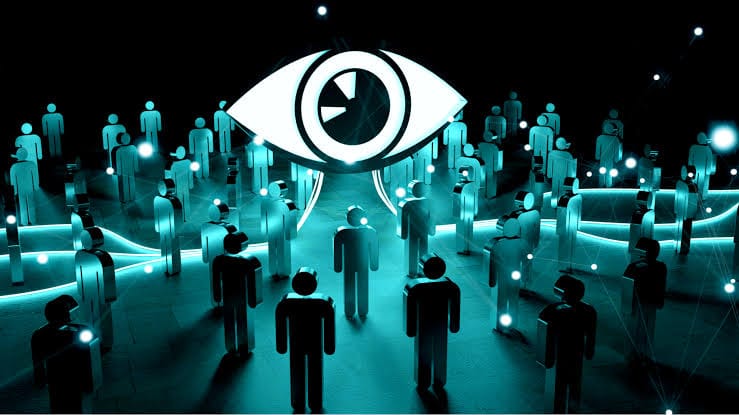

If you work from home or in a hybrid setup, there is a growing chance your employer is watching you closer than you think. In 2026, the deployment of “bossware”—AI-powered employee monitoring systems—has skyrocketed. But as technology crosses the line from simple time-tracking into biometric surveillance, a massive ethical and legal storm is brewing across corporate America.
From keystroke logging to AI algorithms that analyze your facial expressions on Zoom to measure “engagement,” modern workplace surveillance is raising serious questions about privacy, trust, and mental health.
What Exactly is “Bossware”?
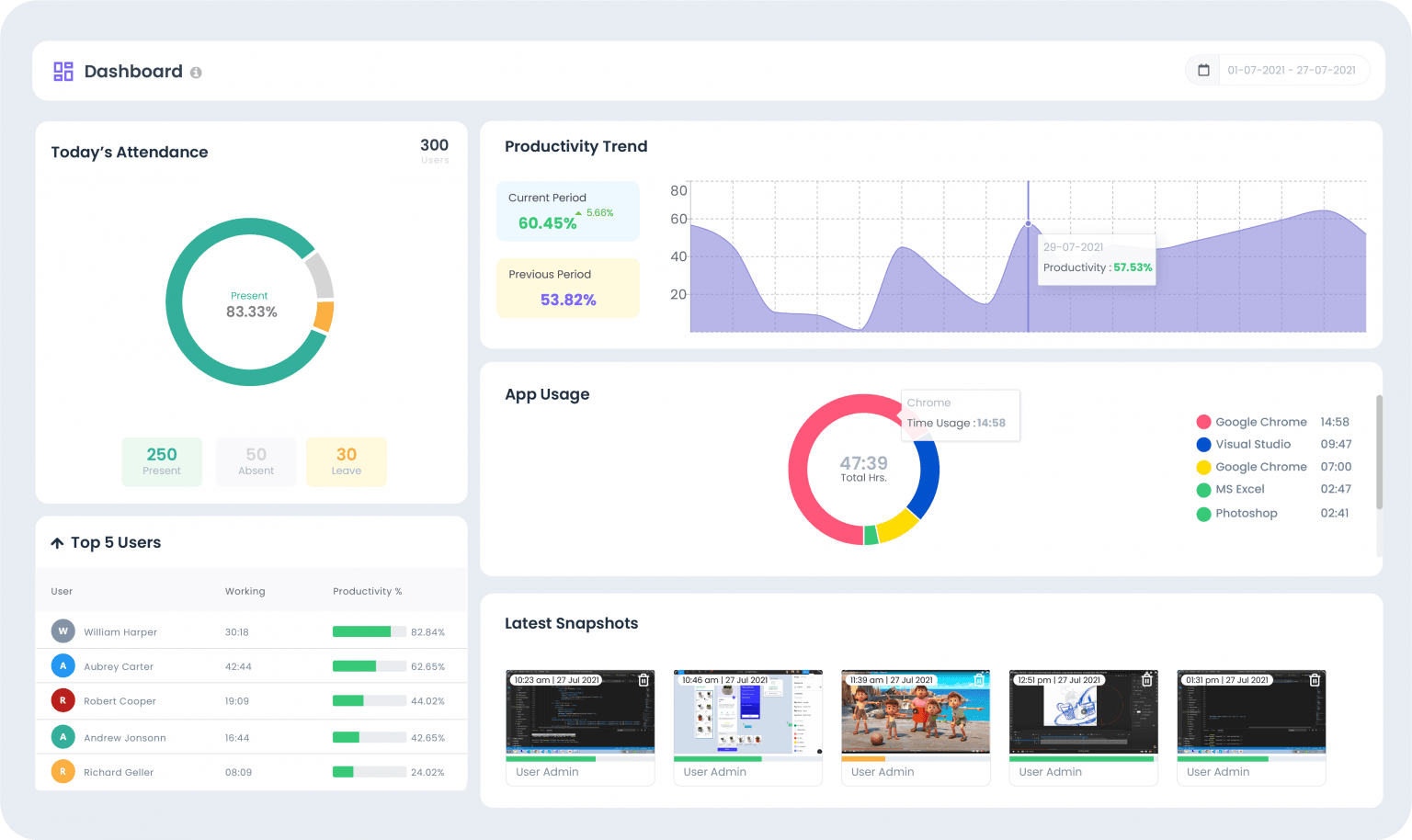
The term “bossware” refers to software installed on employee devices that tracks activity levels. While early versions simply logged active hours, 2026’s AI-powered surveillance tech is far more invasive. Today’s top enterprise systems can:
- Monitor Keystrokes & Mouse Movements: Tracking “idle time” down to the second.
- Capture Automated Screenshots: Snapping photos of your desktop at random intervals.
- Use Attention-Tracking Webcams: Utilizing computer vision to verify your physical presence and track your eye movements during meetings.
- Analyze Sentiment in Messages: Scanning Slack and Teams messages for “negative sentiment” or security risks.
The Ethical Nightmare: Productivity vs. Privacy
Supporters of AI monitoring claim it is necessary to maintain productivity and secure sensitive data in a decentralized workforce. However, privacy advocates argue that meaningful work—like strategic thinking or offline reading—cannot be measured by mouse clicks.
Furthermore, the psychological toll is severe. Employees working under constant AI surveillance report higher levels of burnout, anxiety, and a complete breakdown of trust with their employers.
New Legislation: How States are Fighting Back
The backlash against algorithmic management is resulting in legislative action. As of early 2026, several US states have introduced stringent transparency laws regarding AI in employment decisions. Employers are now increasingly required to:
- Disclose exactly what metrics are being tracked and how AI influences performance reviews.
- Conduct independent bias audits to ensure tracking software does not disproportionately penalize neurodivergent employees.
- Maintain human oversight—preventing an AI system from automatically terminating an employee based on a low “productivity score”.
As the line between home and office remains blurred, the debate over AI surveillance will only intensify. Is the future of work a high-trust environment, or a digital panopticon?
For more insights on the future of work and enterprise tech, keep reading TrendToday360.com.





Leave a Reply