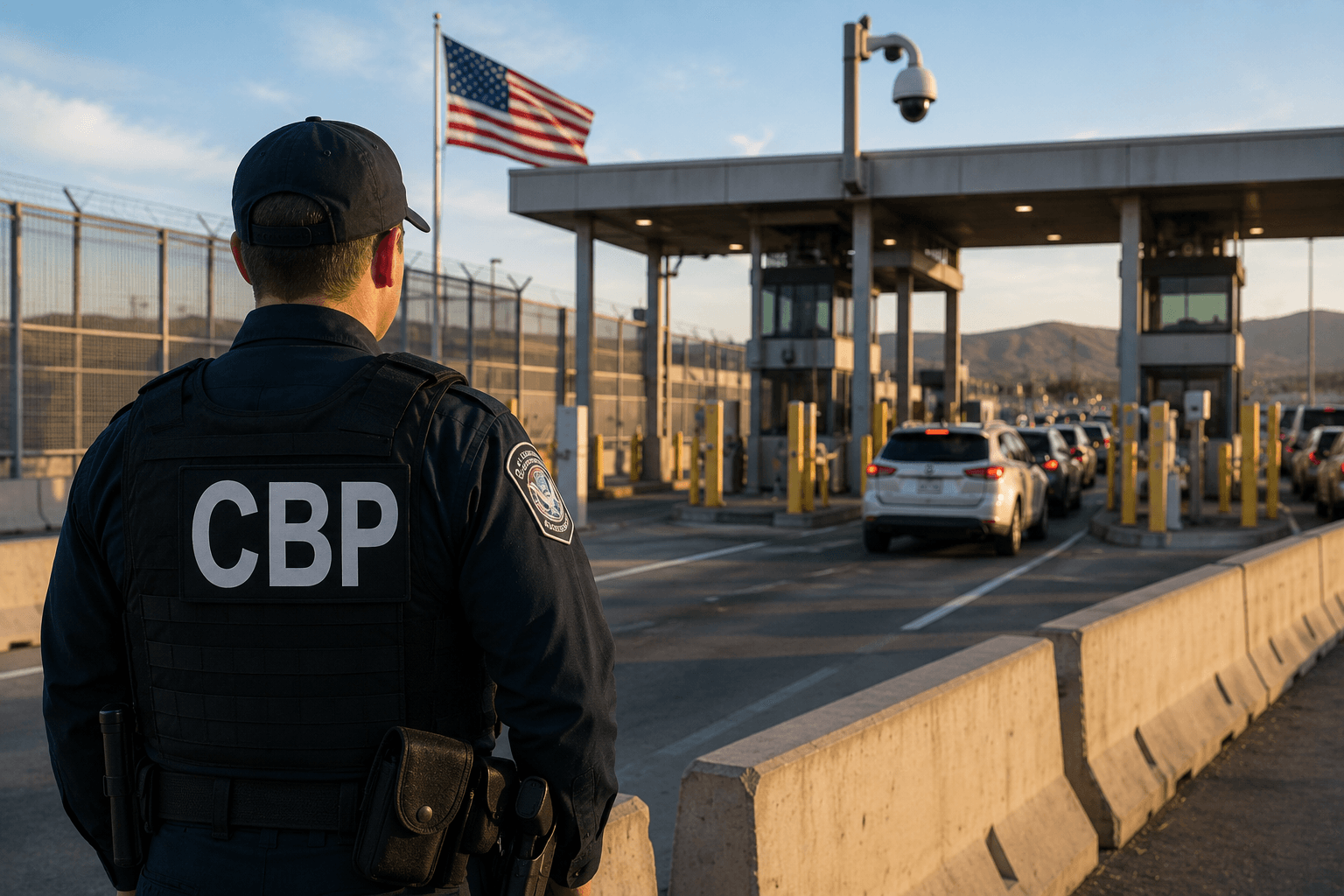

The United States Customs and Border Protection (CBP) agency is one of the largest federal law enforcement organizations, responsible for securing the nation’s borders, facilitating lawful international trade, and enforcing immigration laws.
Funding for CBP is a critical component of the federal budget, influencing border security operations, technology deployment, staffing levels, and infrastructure development at ports of entry across the United States.
This article examines Customs and Border Protection funding, its allocation, policy debates, operational impact, and its role in shaping U.S. border security strategy.
What Is Customs and Border Protection (CBP)?
Customs and Border Protection is a component of the Department of Homeland Security (DHS). It was formed in 2003 by merging several agencies, including the U.S. Customs Service, Border Patrol, and Immigration inspection functions.
CBP’s mission includes:
- Preventing illegal entry into the United States
- Facilitating legal trade and travel
- Intercepting illegal goods such as drugs and weapons
- Enforcing customs and immigration laws
Importance of CBP Funding
Funding determines the agency’s ability to operate effectively. CBP requires significant financial resources to manage thousands of miles of borders, ports of entry, and international airports.
Budget allocations impact staffing, surveillance systems, physical barriers, and technological tools used for border enforcement.
Without adequate funding, CBP operations can face delays, resource shortages, and reduced enforcement capabilities.
Major Components of CBP Funding
CBP funding is distributed across several key operational areas:
1. Border Patrol Operations
The U.S. Border Patrol is responsible for monitoring and securing land borders between ports of entry. Funding supports agents, vehicles, surveillance equipment, and field operations.
2. Air and Marine Operations
CBP operates aircraft and marine vessels to monitor borders from the air and water. These operations require advanced technology and significant maintenance costs.
3. Ports of Entry
Funding supports staffing and infrastructure at airports, seaports, and land crossings where travelers and goods are inspected.
4. Technology and Surveillance
CBP invests in surveillance towers, drones, sensors, radar systems, and data analytics to detect illegal crossings and smuggling activities.
5. Construction and Infrastructure
This includes border wall construction, road access, fencing, and facility upgrades at border stations.
Federal Budget Process for CBP
CBP funding is determined through the federal budget process, which includes proposals from the President and approvals by Congress.
Appropriations committees in both the House and Senate review funding requests and allocate resources based on national priorities and political negotiations.
The final budget reflects compromises between different policy perspectives on border security and immigration enforcement.
Border Security and National Policy
CBP funding is closely tied to national debates about border security and immigration policy.
Some policymakers advocate for increased funding to strengthen border enforcement and reduce illegal immigration.
Others emphasize humanitarian concerns, immigration reform, and investments in legal immigration processing systems.
These debates directly influence how funding is allocated and prioritized.
Impact of Funding on Border Operations
Changes in CBP funding can significantly affect operational capacity. Increased funding may allow for more agents, improved surveillance, and faster processing times at ports of entry.
Reduced funding or delays in budget approval can lead to staffing shortages, longer wait times, and reduced enforcement effectiveness.
Operational efficiency depends heavily on consistent and predictable funding streams.
Technology and Innovation in CBP
Modern CBP operations rely heavily on advanced technology to secure borders efficiently.
Key innovations include:
- Automated biometric identification systems
- AI-powered risk assessment tools
- Unmanned aerial surveillance drones
- Advanced scanning systems for cargo inspection
Funding plays a critical role in the development and deployment of these technologies.
Trade and Economic Role of CBP
In addition to security, CBP facilitates international trade, which is vital to the U.S. economy.
The agency processes trillions of dollars in goods annually through ports of entry.
Efficient funding ensures that legitimate trade flows smoothly while maintaining security standards.
Border Infrastructure Development
Infrastructure projects funded by CBP include border barriers, inspection facilities, and transportation access routes.
These projects are designed to improve enforcement efficiency and reduce illegal crossings while supporting legal entry processes.
Infrastructure spending is often a major point of political debate.
Workforce and Staffing Challenges
CBP employs tens of thousands of personnel, including Border Patrol agents, customs officers, and support staff.
Funding impacts hiring, training, salaries, and retention of skilled personnel.
High workload and demanding conditions make workforce support a key budget priority.
Humanitarian Considerations
Border enforcement policies often intersect with humanitarian concerns, including asylum seekers and migrant processing.
Funding decisions influence CBP’s ability to manage humanitarian situations effectively while maintaining border security.
Processing centers and temporary facilities require significant resources during migration surges.
Political Debates Around CBP Funding
CBP funding is frequently debated in Congress, reflecting broader disagreements over immigration policy and national security strategy.
Some political groups advocate for expanded funding to strengthen enforcement, while others prioritize immigration reform and oversight of enforcement practices.
These debates often influence broader budget negotiations and government shutdown risks.
International Cooperation
CBP also works with international partners to address cross-border crime, drug trafficking, and human smuggling.
Funding supports joint operations, intelligence sharing, and international enforcement programs.
Collaboration with neighboring countries is essential for effective border security.
Challenges Facing CBP
CBP faces several operational challenges, including:
- Increasing migration pressures
- Drug trafficking and cartel activity
- Technological adaptation needs
- Balancing security with legal trade flow
Funding stability is essential for addressing these challenges effectively.
Future of CBP Funding
The future of Customs and Border Protection funding will likely focus on modernization, technology integration, and improved infrastructure.
Policy changes, migration trends, and geopolitical developments will continue to influence budget priorities.
Automation and artificial intelligence may play an increasingly important role in future border security operations.
Conclusion
Customs and Border Protection funding is a crucial element of U.S. national security and economic policy. It directly affects border enforcement, trade facilitation, infrastructure development, and technological innovation.
As political debates continue, balancing security needs with humanitarian and economic considerations will remain central to CBP’s mission.
Stable and effective funding ensures that the agency can fulfill its responsibilities while adapting to evolving global challenges.





Leave a Reply