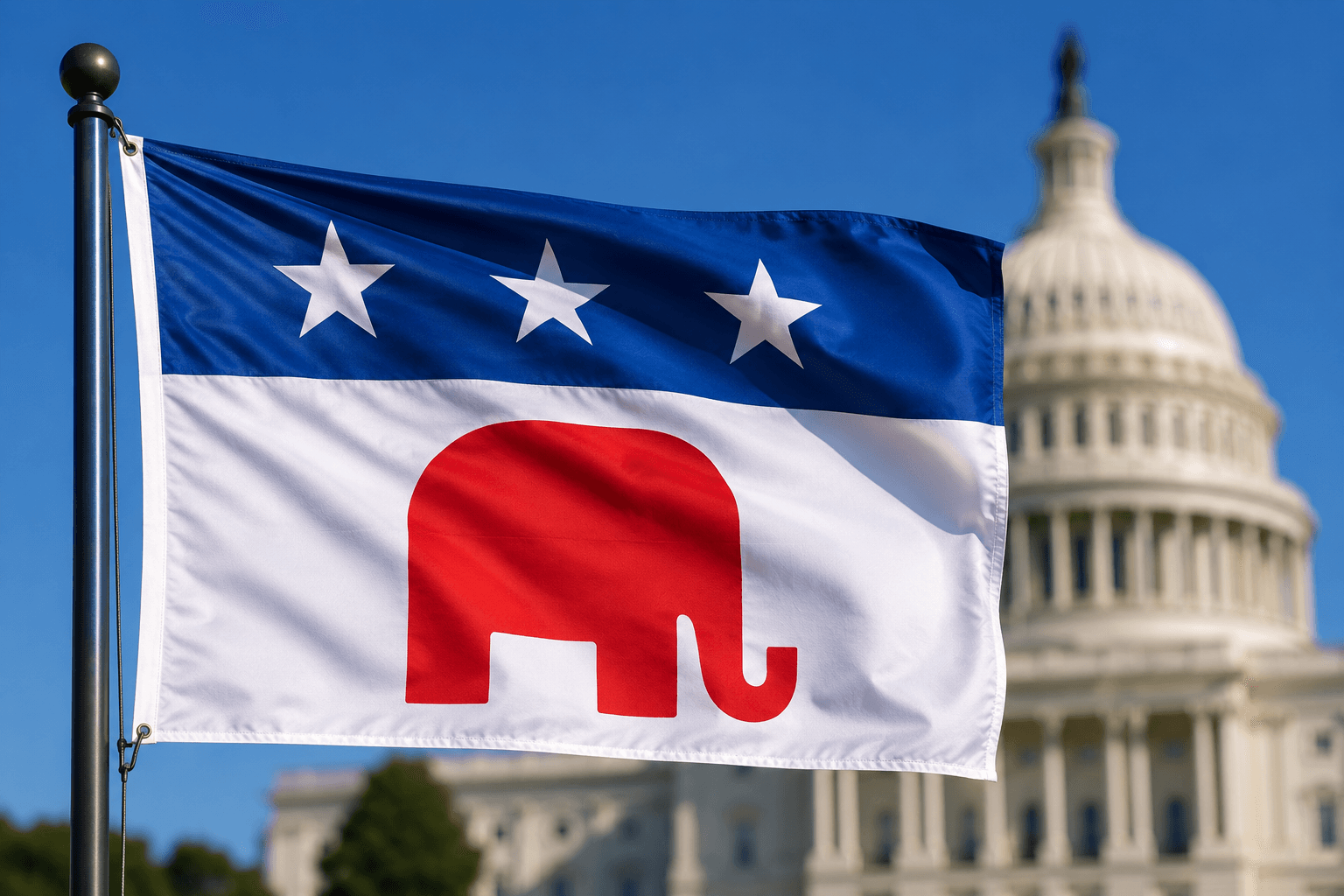

The Republican Party, often referred to as the GOP (Grand Old Party), is one of the two major political parties in the United States, alongside the Democratic Party. It plays a central role in shaping American political discourse, elections, and policy decisions at the federal, state, and local levels.
Founded in the mid-19th century, the Republican Party has evolved significantly over time, adapting to changing social, economic, and political conditions. Today, it represents a broad coalition of conservative, libertarian-leaning, and center-right voters.
This article explores the history of the Republican Party, its ideological foundations, major policy positions, leadership structure, and its influence on U.S. politics.
History of the Republican Party
The Republican Party was founded in 1854 in response to growing tensions over slavery and the expansion of slavery into new territories. It emerged as a political force opposing the Kansas-Nebraska Act, which allowed for the possibility of slavery expanding into western territories.
The party’s first presidential candidate, Abraham Lincoln, was elected in 1860. His election led to the Civil War and ultimately the abolition of slavery in the United States.
During the Reconstruction era, the Republican Party played a major role in rebuilding the South and promoting civil rights for freed slaves.
Over time, the party’s ideology shifted, especially during the 20th century, moving toward modern conservatism.
Ideological Foundations
The Republican Party is generally associated with conservative political ideology. However, it includes a range of viewpoints.
Key ideological principles often include:
- Limited government intervention in the economy
- Lower taxes and reduced government spending
- Strong national defense and military funding
- Individual liberty and personal responsibility
- Free-market capitalism
These principles guide much of the party’s policy agenda at both state and federal levels.
Major Policy Positions
The Republican Party supports a variety of policy positions that reflect its conservative ideology.
Economic Policy
Republicans generally advocate for tax cuts, deregulation, and policies that promote business growth and entrepreneurship.
They argue that lower taxes and reduced regulation stimulate economic growth and job creation.
Healthcare Policy
Healthcare policy within the Republican Party often emphasizes market-based solutions, private insurance competition, and reduced government involvement.
Debates continue within the party about how best to balance affordability, access, and quality of care.
Immigration Policy
The party typically supports stricter immigration controls, enhanced border security, and enforcement of immigration laws.
Immigration remains one of the most debated topics in U.S. politics and within the Republican Party itself.
Foreign Policy
The Republican Party generally favors a strong national defense and assertive foreign policy to protect U.S. interests abroad.
This includes maintaining military readiness and forming strategic alliances with global partners.
Leadership Structure
The Republican Party is organized at both national and state levels. At the national level, it is led by the Republican National Committee (RNC), which oversees party strategy, fundraising, and election coordination.
Presidential candidates, congressional leaders, and state governors play significant roles in shaping the party’s direction.
Leadership influence often shifts depending on electoral outcomes and internal party dynamics.
Role in Congress
The Republican Party is one of the two dominant parties in the United States Congress, holding seats in both the House of Representatives and the Senate.
Party control of Congress significantly impacts legislative priorities, including taxation, healthcare, defense spending, and social policy.
Republican lawmakers often work in coordination to advance party-aligned legislation while negotiating with Democratic counterparts.
Presidential Elections and Influence
The Republican Party has produced numerous U.S. presidents, including Abraham Lincoln, Theodore Roosevelt, Ronald Reagan, George W. Bush, and Donald Trump.
Presidential elections are a key battleground for the party, shaping national policy direction for years.
The party’s presidential nominees are selected through primary elections and caucuses held across all states.
Conservative Movement and Modern Politics
The modern Republican Party is closely tied to the broader conservative movement in the United States.
This includes social conservatism, fiscal conservatism, and populist political trends in recent years.
Internal debates continue regarding the direction of the party and its approach to governance, culture, and economic policy.
State-Level Republican Politics
At the state level, Republican governors and legislators play a key role in shaping policies related to education, taxes, healthcare, and infrastructure.
Many states have strong Republican influence, particularly in the South, Midwest, and Mountain West regions.
State-level leadership often reflects local priorities while aligning with national party values.
Public Support and Voter Base
The Republican Party draws support from a diverse voter base, including rural communities, business owners, religious groups, and working-class voters.
Regional differences and demographic trends significantly influence electoral outcomes.
Campaign strategies often focus on key swing states where elections are closely contested.
Media and Political Communication
Media plays an important role in shaping the Republican Party’s public image and messaging.
Party leaders frequently use television, social media, and public rallies to communicate directly with voters.
Political messaging often focuses on issues such as economic growth, national security, and cultural values.
Challenges Facing the Party
The Republican Party faces several challenges in modern politics, including internal divisions, demographic changes, and evolving voter priorities.
Debates over policy direction, leadership style, and electoral strategy continue to shape the party’s future.
Maintaining unity while appealing to a broad voter base remains a key strategic challenge.
Impact on American Governance
The Republican Party has had a significant impact on U.S. governance, influencing laws, judicial appointments, and economic policy.
Its role in shaping tax policy, defense spending, and regulatory frameworks has left a lasting mark on American institutions.
As one of the two dominant parties, its decisions directly affect national and global affairs.
Future Outlook
The future of the Republican Party will depend on its ability to adapt to changing political, social, and economic conditions.
Emerging issues such as technology regulation, climate policy, and global competition will likely shape its policy agenda.
Party leadership and voter engagement will continue to determine its electoral success in future cycles.
Conclusion
The Republican Party remains a central force in American politics, with a long history and a significant influence on national policy.
From its founding in the 19th century to its modern role in shaping governance, the party continues to evolve while maintaining core conservative principles.
Understanding its ideology, structure, and impact is essential to understanding the broader landscape of United States politics.





Leave a Reply