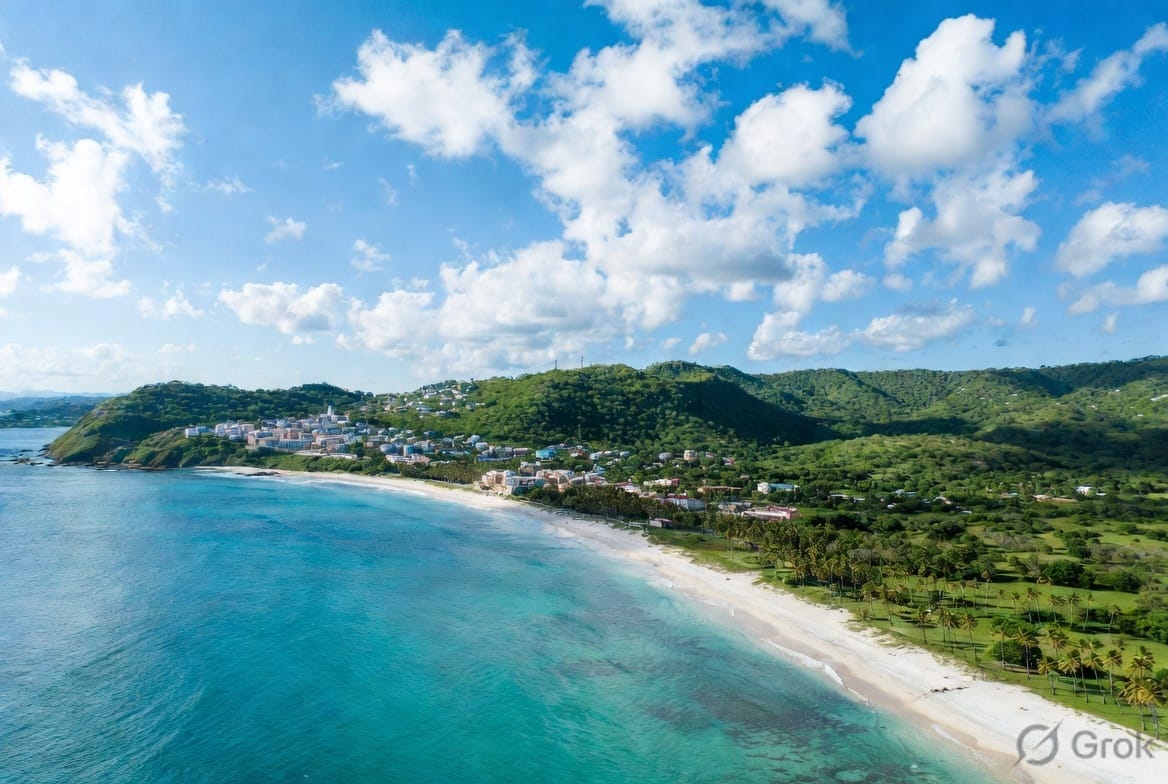

Puerto Rico is one of the most unique and beautiful destinations in the Caribbean. Known for its tropical beaches, colorful cities, rich history, and vibrant culture, the island attracts millions of visitors every year. Located between the Caribbean Sea and the Atlantic Ocean, Puerto Rico combines Spanish heritage, American influence, and Caribbean traditions into a truly distinctive identity.
As an unincorporated territory of the United States, Puerto Rico has a special political and cultural relationship with America while maintaining its own language, traditions, and lifestyle. From historic forts and rainforests to music, food, and festivals, Puerto Rico offers an unforgettable experience for both residents and tourists.
This article explores Puerto Rico’s history, culture, economy, attractions, and the challenges and opportunities shaping the island today.
The History of Puerto Rico
Puerto Rico has a long and fascinating history that dates back thousands of years before European explorers arrived. The island was originally inhabited by the Taíno people, an Indigenous group that lived throughout the Caribbean region.
In 1493, Christopher Columbus arrived on the island during his second voyage to the Americas and claimed it for Spain. Puerto Rico remained under Spanish rule for more than 400 years. During this period, Spanish culture, religion, and architecture strongly influenced the island.
Because of its strategic location in the Caribbean, Puerto Rico became an important military and trading center for Spain. Large forts and defensive structures were built to protect the island from attacks by rival European powers.
In 1898, following the Spanish-American War, Spain ceded Puerto Rico to the United States. Since then, Puerto Rico has remained a U.S. territory while developing its own modern political and cultural identity.
Puerto Rico’s Political Status
Puerto Rico’s political status has long been a topic of debate and discussion. The island is officially an unincorporated territory of the United States.
Puerto Ricans are U.S. citizens, and many serve in the U.S. military, travel freely to the mainland, and participate in federal programs. However, residents of Puerto Rico cannot vote in U.S. presidential elections unless they live in one of the 50 states.
The island has its own local government and constitution, but the U.S. Congress ultimately has authority over federal matters involving Puerto Rico.
Over the years, discussions about statehood, independence, and maintaining territorial status have remained central political issues. Several public referendums have been held regarding Puerto Rico’s future political relationship with the United States.
The Beauty of Puerto Rico
Puerto Rico is famous for its stunning natural beauty. The island features tropical beaches, lush mountains, waterfalls, caves, and rainforests.
Beaches
The island is home to some of the most beautiful beaches in the Caribbean. Popular destinations include Flamenco Beach on Culebra Island, Condado Beach in San Juan, and Luquillo Beach on the northeastern coast.
Visitors enjoy swimming, surfing, snorkeling, scuba diving, and relaxing along the crystal-clear waters.
El Yunque National Forest
El Yunque is the only tropical rainforest in the U.S. National Forest System. It features hiking trails, waterfalls, exotic wildlife, and breathtaking mountain scenery.
The rainforest attracts nature lovers and adventure travelers from around the world.
Bioluminescent Bays
Puerto Rico is famous for its rare bioluminescent bays, where microorganisms glow in the water at night. Mosquito Bay on Vieques Island is considered one of the brightest bioluminescent bays in the world.
Kayaking through glowing waters is one of Puerto Rico’s most unique tourist experiences.
San Juan: The Capital City
San Juan, the capital of Puerto Rico, is one of the oldest cities in the Americas. The city combines historic architecture with modern hotels, restaurants, nightlife, and shopping.
Old San Juan
Old San Juan is known for its colorful colonial buildings, cobblestone streets, and historic landmarks. The area reflects centuries of Spanish influence and remains one of the island’s most visited attractions.
Popular sites include:
- Castillo San Felipe del Morro
- Castillo San Cristóbal
- San Juan Cathedral
- Paseo de la Princesa
The historic district offers a mix of museums, cafes, local shops, and cultural experiences.
Puerto Rican Culture
Puerto Rican culture is a vibrant blend of Spanish, African, Indigenous Taíno, and American influences. Music, dance, art, and food all play important roles in daily life.
Music and Dance
Puerto Rico has had a major impact on global music. The island is known for salsa, reggaeton, bomba, and plena music styles.
Artists such as Bad Bunny, Daddy Yankee, Ricky Martin, and Luis Fonsi helped bring Puerto Rican music to international audiences.
Dancing is deeply connected to Puerto Rican culture, and festivals often include live music and energetic performances.
Food
Puerto Rican cuisine is rich in flavor and tradition. Popular dishes include:
- Mofongo
- Arroz con gandules
- Lechón asado
- Tostones
- Pasteles
The island’s cuisine combines Spanish, African, and Caribbean cooking traditions with local ingredients and spices.
Tourism and Economy
Tourism is one of Puerto Rico’s most important industries. Millions of visitors travel to the island each year for beaches, cruises, cultural attractions, and tropical weather.
The cruise industry plays a major role in the economy, especially in San Juan, which is one of the busiest cruise ports in the Caribbean.
Puerto Rico also has industries related to manufacturing, pharmaceuticals, agriculture, and technology.
The island’s economy has faced challenges in recent years, including debt problems, natural disasters, and economic migration. However, tourism and investment continue helping support economic recovery efforts.
Hurricanes and Natural Challenges
Puerto Rico has faced several devastating hurricanes throughout its history. Hurricane Maria in 2017 caused massive destruction across the island and became one of the worst natural disasters in Puerto Rican history.
The storm damaged infrastructure, homes, power systems, and communication networks. Recovery efforts lasted for years and highlighted challenges related to emergency response and economic stability.
Despite these hardships, Puerto Rican communities demonstrated resilience and unity during rebuilding efforts.
Climate change and rising storm intensity continue to be important concerns for the island’s future.
Education and Language
Both Spanish and English are official languages in Puerto Rico, although Spanish is the primary language spoken by most residents.
Puerto Rico has universities, colleges, and educational institutions that serve students across the island. The University of Puerto Rico is one of the most well-known higher education systems in the Caribbean.
The island’s bilingual culture creates unique educational and professional opportunities for residents.
Sports and Entertainment
Sports are an important part of Puerto Rican culture. Baseball is especially popular, and many Puerto Rican athletes have achieved success in Major League Baseball.
Basketball, boxing, and volleyball also attract strong fan support.
Puerto Rico has produced internationally famous athletes such as Roberto Clemente, Félix Trinidad, and Carlos Beltrán.
Entertainment and festivals are central to island life. Annual celebrations include music festivals, parades, and religious events that bring communities together.
The Puerto Rican Diaspora
Millions of Puerto Ricans live in the mainland United States, especially in states such as Florida, New York, and Pennsylvania.
The Puerto Rican diaspora has played an important role in American culture, politics, business, and entertainment.
Strong family and cultural connections remain between Puerto Ricans living on the island and those living in the mainland United States.
Migration between Puerto Rico and the U.S. mainland continues to shape both communities economically and socially.
The Future of Puerto Rico
Puerto Rico faces both opportunities and challenges moving forward. Economic development, infrastructure modernization, tourism growth, and disaster preparedness remain major priorities.
Technology, renewable energy, and entrepreneurship are creating new possibilities for younger generations.
At the same time, political debates regarding statehood and the island’s future relationship with the United States continue.
Puerto Rico’s strong cultural identity, natural beauty, and resilient people remain important strengths as the island works toward long-term growth and stability.
Conclusion
Puerto Rico is a remarkable island filled with history, culture, natural beauty, and vibrant traditions. From the colorful streets of Old San Juan to the tropical rainforests and glowing bioluminescent bays, the island offers experiences unlike anywhere else in the world.
Its unique blend of Caribbean spirit, Spanish heritage, and American connection creates a rich cultural identity that continues to influence music, food, sports, and entertainment globally.
Despite economic and environmental challenges, Puerto Rico remains a symbol of resilience, creativity, and community pride. Whether visiting for tourism, learning about its history, or exploring its culture, Puerto Rico continues to inspire people around the world.



Leave a Reply