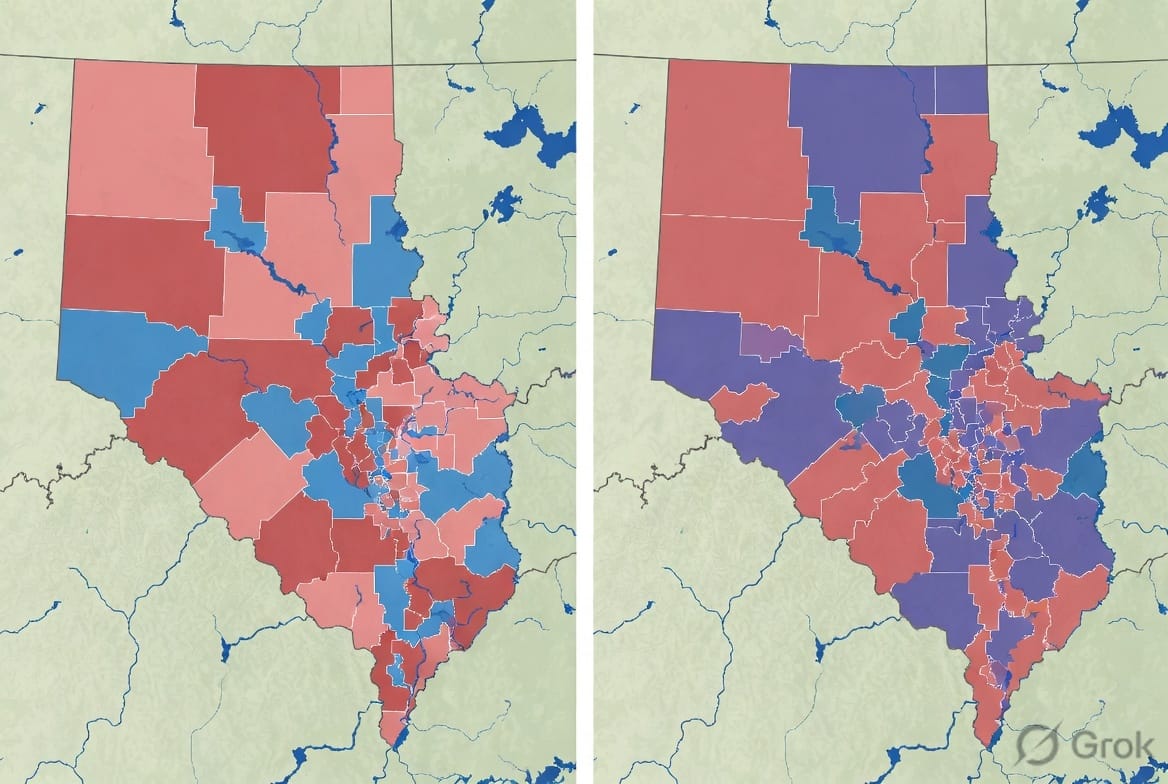

Redistricting is one of the most important and often controversial processes in modern politics. It affects how voting districts are drawn, how communities are represented, and ultimately how political power is distributed within a country. Although many people hear about redistricting during election years, the process has a long-lasting impact on democracy and government representation.
In simple terms, redistricting is the process of redrawing the boundaries of electoral districts after population changes are recorded in a national census. The goal is to ensure that each district has roughly equal population size so that every citizen’s vote carries similar weight.
However, while the idea sounds straightforward, redistricting often becomes highly political. Debates over fairness, representation, and political advantage frequently make headlines as parties and lawmakers fight over district boundaries.
This article explains what redistricting is, why it matters, how the process works, and why it remains one of the most debated issues in democratic politics.
What Is Redistricting?
Redistricting refers to the process of drawing or adjusting electoral district boundaries. These districts determine which voters are grouped together for electing representatives to legislatures, congresses, or parliaments.
In countries like the United States, redistricting usually happens every ten years after the national census. Population growth, migration, and demographic changes can create unequal district sizes over time. Redistricting is meant to balance populations so that representation remains fair.
For example, if one district grows rapidly while another loses population, the larger district may have too many residents compared to the smaller one. Redrawing district boundaries helps restore equal representation.
Why Redistricting Matters
Redistricting has a major impact on elections and political power. The way district lines are drawn can influence which political party has an advantage and which communities receive stronger representation.
Electoral districts determine who can vote for specific representatives. Because of this, even small changes in boundaries can affect election results.
Redistricting also influences how communities are grouped together. Neighborhoods, cities, and demographic groups may either gain stronger political voices or become divided into multiple districts.
Fair redistricting helps ensure that democracy functions properly by giving citizens equal representation. Unfair district maps, however, can reduce competition and weaken public trust in elections.
The Census and Population Changes
The redistricting process is closely connected to census data. A census counts the population and collects demographic information about where people live.
As populations shift over time, some areas grow while others shrink. Urban regions may gain millions of residents, while rural areas may lose population.
After census results are released, lawmakers and officials use the data to redraw district boundaries. The goal is to create districts with relatively equal populations.
This principle is often described as “one person, one vote,” meaning every citizen should have equal voting power regardless of where they live.
How Redistricting Works
The exact redistricting process varies by country and region, but it usually involves government officials or independent commissions reviewing population data and creating new maps.
Legislative Redistricting
In many places, state legislatures or national governments are responsible for drawing district boundaries. Political parties often compete aggressively during this process because district maps can affect future election outcomes.
Independent Commissions
Some regions use independent redistricting commissions instead of politicians. These commissions are designed to reduce political bias and improve fairness.
Independent commissions may include legal experts, community representatives, and nonpartisan officials who create district maps using specific guidelines.
Public Input
Many redistricting processes include public hearings and community feedback. Citizens can voice concerns about proposed district maps and explain how boundary changes may affect their communities.
What Is Gerrymandering?
One of the most controversial issues connected to redistricting is gerrymandering. Gerrymandering occurs when district boundaries are intentionally drawn to benefit a political party, candidate, or group.
Politicians may manipulate district lines to increase their chances of winning elections. This can reduce competition and create unfair political advantages.
There are two common forms of gerrymandering:
- Packing: Concentrating voters from one group into a single district to reduce their influence elsewhere.
- Cracking: Splitting voters from one group across multiple districts to weaken their voting power.
Critics argue that gerrymandering undermines democracy because politicians can effectively choose their voters instead of voters choosing their representatives.
Supporters of reform often call for independent commissions and stricter legal standards to reduce political manipulation in district mapping.
The Impact on Elections
Redistricting can significantly affect election outcomes. District boundaries influence which voters are grouped together and which political party is more likely to win.
In some cases, redistricting can create “safe districts” where one party has a strong advantage, making elections less competitive.
This can discourage voter participation because people may feel their votes have little impact. Competitive districts, on the other hand, often encourage greater political engagement and accountability.
Redistricting can also affect minority representation. Carefully designed districts may help minority communities elect representatives who reflect their interests and experiences.
Legal Challenges and Court Cases
Because redistricting can shape political power, legal battles are common. Courts are often asked to decide whether district maps violate constitutional rights or election laws.
In the United States, courts have reviewed cases involving racial discrimination, political bias, and unequal district populations.
Some court decisions have required states to redraw maps that were considered unfair or unconstitutional.
Legal disputes over redistricting can continue for years and may influence multiple election cycles.
Technology and Modern Redistricting
Technology has dramatically changed the redistricting process. Advanced mapping software and voter data analysis allow political strategists to create highly detailed district maps.
Modern technology makes it easier to predict voting behavior and identify political trends within neighborhoods and communities.
While technology can improve map accuracy and efficiency, critics argue that it also enables more sophisticated forms of gerrymandering.
Data-driven redistricting has become increasingly important in modern politics, especially in highly competitive elections.
Arguments in Favor of Redistricting Reform
Many political experts and advocacy groups support redistricting reform to improve fairness and transparency.
Common reform proposals include:
- Creating independent redistricting commissions
- Increasing transparency in map-drawing decisions
- Using nonpartisan standards for district boundaries
- Encouraging public participation in the process
- Limiting political influence in map creation
Supporters argue that reforms can strengthen democracy by making elections more competitive and representative.
Challenges in Creating Fair Districts
Drawing fair district maps is often more complicated than it appears. Districts must balance population equality, geographic boundaries, local communities, and legal requirements.
Communities may disagree about which neighborhoods should stay together. Geographic obstacles such as rivers, mountains, or city borders can also complicate map design.
Political disagreements further increase tensions during the process. Different parties and interest groups often have competing ideas about fairness and representation.
As a result, achieving perfect fairness in redistricting is extremely difficult.
Redistricting Around the World
Although redistricting is often discussed in the United States, many countries use similar systems to adjust electoral boundaries.
Different nations use different methods for creating districts. Some rely on independent commissions, while others allow government officials to control the process.
Countries with proportional representation systems may experience fewer redistricting controversies because elections are not based entirely on geographic districts.
However, questions about fairness, representation, and political influence exist in democracies around the world.
The Future of Redistricting
Redistricting will continue to remain an important issue as populations grow and political divisions evolve.
Advances in technology, changing demographics, and increasing public awareness are likely to shape future debates about district boundaries.
Many experts believe public demand for transparency and fairness will continue growing. Independent commissions and legal reforms may become more common as governments attempt to improve trust in elections.
At the same time, political parties will likely continue fighting over district maps because of the major impact redistricting has on political power.
Conclusion
Redistricting is a critical part of democratic government because it determines how citizens are represented in elections. While the process is intended to create equal representation, it often becomes highly political and controversial.
The drawing of district boundaries can influence election outcomes, shape political power, and affect how communities are represented for years to come. Issues such as gerrymandering, legal challenges, and political bias have made redistricting one of the most debated topics in modern politics.
Understanding redistricting is important for voters because district maps directly affect democracy, representation, and public trust in elections. As societies continue evolving, the debate over fair and transparent redistricting will likely remain a major issue in political systems around the world.




Leave a Reply