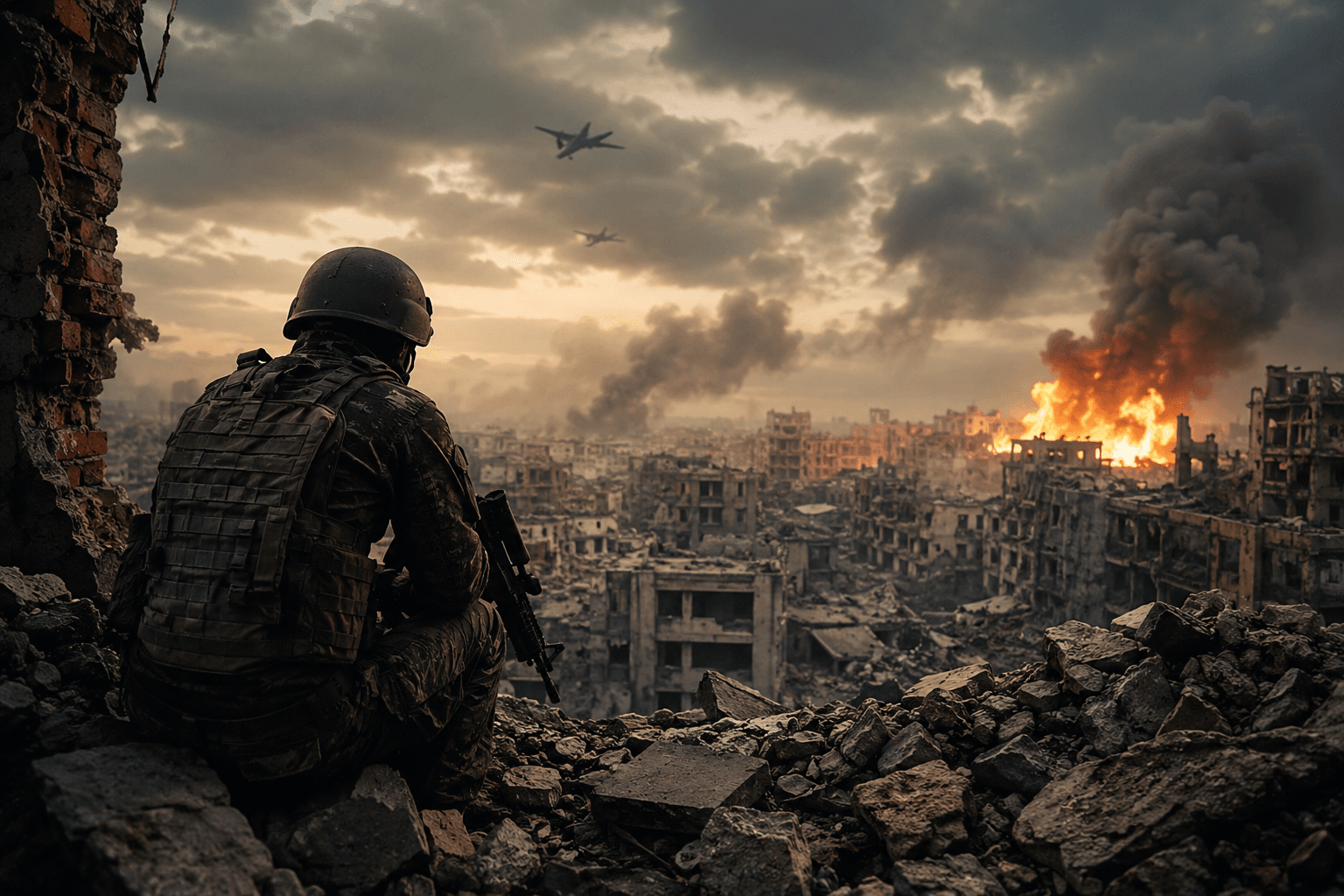

War has shaped human civilization for thousands of years. From ancient territorial conflicts to modern geopolitical battles, wars have influenced borders, governments, economies, and societies across the globe. While some wars have been fought in the name of freedom, justice, or national security, the human cost of armed conflict remains devastating.
In the modern world, war is no longer limited to soldiers on battlefields. Civilians, infrastructure, economies, and even digital systems are deeply affected. As technology evolves and nations become increasingly interconnected, the consequences of war have grown more complex and far-reaching.
Understanding the causes, effects, and lessons of war is essential if humanity hopes to build a more peaceful future.
What Is War?
War is generally defined as a prolonged conflict between nations, governments, or organized groups involving the use of armed force. Wars can arise from political disputes, territorial ambitions, economic competition, religious differences, or ideological conflicts.
Throughout history, wars have taken many forms. Traditional wars involved direct combat between armies, while modern conflicts may include cyber warfare, drone strikes, economic sanctions, and information warfare.
Although the methods of warfare continue to change, the core reality remains the same: war creates destruction, suffering, and instability.
The Historical Importance of War
History has been profoundly shaped by war. Major global events, including the rise and fall of empires, technological advancements, and political revolutions, were often linked to armed conflict.
For example, the two World Wars dramatically transformed international politics and economics. World War I altered European borders and weakened several empires, while World War II led to the creation of international organizations such as the United Nations.
Wars have also accelerated scientific and technological innovation. Radar systems, aviation technology, medical advancements, and even the internet have roots connected to military research. However, these advancements often came at the cost of millions of human lives.
The Human Cost of War
The greatest tragedy of war is the immense human suffering it causes. Soldiers and civilians alike face physical injuries, emotional trauma, displacement, and death.
Entire communities can be destroyed during conflicts. Families are separated, children lose access to education, and healthcare systems collapse under pressure. Refugee crises frequently emerge as civilians flee violence in search of safety.
Psychological trauma is another major consequence of war. Survivors often experience anxiety, depression, and post-traumatic stress disorder (PTSD). These emotional scars can last for decades and affect multiple generations.
Children are particularly vulnerable during wartime. Exposure to violence at a young age can have lasting effects on mental health, development, and future opportunities.
Economic Consequences of War
War places enormous pressure on national economies. Governments often spend billions on military operations, weapons, and defense systems, diverting resources away from education, healthcare, and infrastructure.
In conflict zones, businesses shut down, unemployment rises, and investment declines. Transportation networks, factories, and communication systems may be destroyed, slowing economic recovery for years.
Global trade can also suffer during periods of war. International markets become unstable, energy prices fluctuate, and supply chains are disrupted. In today’s interconnected world economy, conflicts in one region can impact countries thousands of miles away.
Economic sanctions and trade restrictions imposed during wars can further intensify financial hardship for civilians.
Modern Warfare and Technology
Technology has fundamentally transformed warfare. Modern military operations now involve advanced weapons systems, artificial intelligence, satellite surveillance, drones, and cyber attacks.
Cyber warfare has become an especially important issue in the digital age. Governments and organizations face threats from hackers targeting financial systems, power grids, and communication networks.
Drones have also changed the nature of combat by allowing military operations to be conducted remotely. While such technologies may reduce risks for soldiers, they also raise ethical questions regarding civilian casualties and accountability.
Artificial intelligence and autonomous weapons systems could further reshape future conflicts, creating new concerns about security, ethics, and international law.
The Role of Propaganda and Media
Information has always played a critical role in war. Governments and political groups often use propaganda to influence public opinion, maintain morale, and shape narratives.
In the modern era, social media platforms have become powerful tools during conflicts. News spreads instantly across the globe, but misinformation and manipulated content can also fuel confusion and division.
Digital platforms are now used for psychological operations, recruitment campaigns, and political messaging. This has created new challenges for journalists, governments, and citizens trying to distinguish truth from misinformation.
The rapid spread of online content means that wars are no longer fought only on physical battlefields but also in the digital information space.
International Organizations and Peace Efforts
To reduce the risk of global conflict, international organizations such as the United Nations, NATO, and humanitarian agencies work to promote peace, diplomacy, and conflict resolution.
Peacekeeping missions, economic aid, and diplomatic negotiations are often used to prevent wars from escalating. International law also attempts to regulate warfare through agreements such as the Geneva Conventions, which establish rules regarding the treatment of civilians and prisoners of war.
Despite these efforts, achieving lasting peace remains difficult. Political interests, resource competition, and historical tensions continue to contribute to conflicts around the world.
Why Wars Continue to Happen
Many factors contribute to the continuation of war in the modern world.
- Political Power Struggles: Governments and groups often compete for influence and control.
- Territorial Disputes: Borders and land ownership remain common sources of conflict.
- Economic Interests: Access to valuable resources such as oil, minerals, and trade routes can drive tensions.
- Religious and Ethnic Divisions: Cultural differences sometimes contribute to violence and instability.
- Ideological Conflicts: Competing political systems and beliefs can lead to confrontation.
In many cases, wars are fueled by a combination of these factors rather than a single cause.
The Importance of Diplomacy
Diplomacy remains one of the most important tools for preventing war. Through negotiation, communication, and international cooperation, nations can address disputes without resorting to violence.
Strong diplomatic relationships help build trust between countries and reduce misunderstandings that could escalate into conflict.
Education, cultural exchange, and economic cooperation also play important roles in promoting long-term peace. When nations become economically and socially interconnected, the cost of conflict often becomes too high for all sides involved.
Lessons Humanity Must Learn
History repeatedly demonstrates that war creates long-term suffering and instability. While military action may sometimes appear unavoidable, the consequences are rarely limited to the battlefield.
Humanity must continue investing in peacebuilding, international cooperation, education, and conflict prevention. Future generations deserve a world where diplomacy and understanding are valued more highly than violence and destruction.
Technological progress should be directed toward improving lives rather than increasing the efficiency of warfare. Governments, organizations, and citizens all share responsibility for promoting dialogue, tolerance, and peaceful solutions.
Conclusion
War remains one of the greatest challenges facing humanity. Its effects extend far beyond military operations, impacting civilians, economies, mental health, and global stability.
Although conflicts have shaped history, they have also revealed the devastating cost of division and violence. Modern warfare has become increasingly complex due to technological advancements, cyber threats, and global interconnectedness.
At the same time, international diplomacy and cooperation provide hope for a more peaceful future. By learning from history and prioritizing dialogue over destruction, humanity can work toward reducing conflict and building stronger global relationships.
The pursuit of peace is not simply a political objective—it is a responsibility shared by every generation.





Leave a Reply