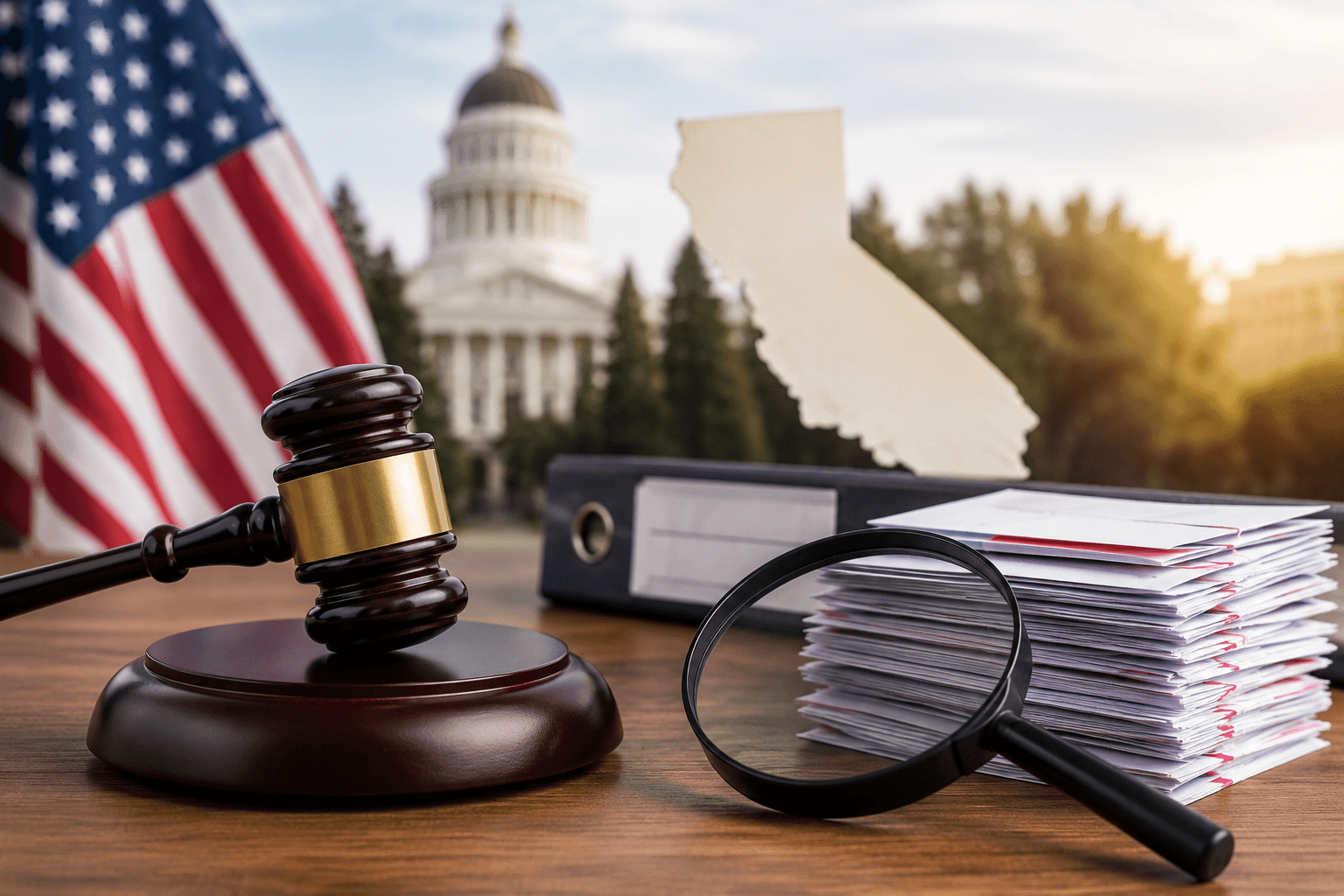

Election fraud investigations in California have been a recurring topic in U.S. political discourse, especially in the aftermath of the 2020 presidential election and subsequent election cycles. While California is one of the largest and most securely managed voting systems in the United States, allegations, audits, and legal reviews occasionally arise involving voter registration, ballot handling, or administrative compliance.
In recent years, most official investigations in California have focused not on widespread fraud, but on isolated cases such as voter registration irregularities, ballot collection violations, and administrative errors. Authorities emphasize that these issues are typically limited in scope and are actively monitored by state and local election officials.
This article provides a detailed overview of the latest known developments, how election investigations work in California, and the broader political and legal implications.
Overview of California’s Election System
California operates one of the largest and most complex election systems in the United States. With tens of millions of registered voters, the state uses a vote-by-mail system combined with in-person voting options.
Ballots are mailed to all registered voters, and they can be returned by mail, at drop boxes, or at designated polling locations. This system is designed to increase accessibility while maintaining security through signature verification and tracking systems.
Election oversight is managed by the California Secretary of State in coordination with county election offices.
What Triggers Election Fraud Investigations?
Election-related investigations in California are typically triggered by:
- Discrepancies in voter registration records
- Reports of improper ballot handling or collection
- Allegations of unauthorized voting activity
- Audit findings during post-election reviews
- Whistleblower or citizen complaints
It is important to note that investigations do not automatically imply widespread fraud. Many cases are administrative or procedural in nature.
Recent Focus Areas in Investigations
Recent election-related investigations in California have generally centered on small-scale issues rather than systemic fraud. Common areas of focus include voter registration list maintenance, ballot harvesting compliance, and election worker conduct.
California law allows limited ballot collection under specific conditions, but violations of these rules can lead to investigations if improper handling is suspected.
Election officials routinely conduct audits after elections to verify accuracy and compliance with state law.
Voter Registration and Data Accuracy
One of the key areas of oversight involves voter registration databases. Officials regularly update records to remove duplicates, deceased voters, or outdated entries.
Occasionally, investigations arise when discrepancies are discovered between county and state-level records.
These issues are typically resolved through data correction procedures rather than criminal prosecution.
Ballot Security and Mail-In Voting
California’s extensive mail-in voting system has been both praised for accessibility and scrutinized for security concerns.
Security measures include signature verification, barcode tracking, and chain-of-custody documentation for ballots.
Investigations involving mail-in ballots usually focus on procedural compliance, such as whether ballots were properly handled or submitted within legal deadlines.
Election officials stress that safeguards are in place to prevent duplication or unauthorized voting.
Role of County Election Offices
County election offices play a critical role in administering elections in California. They are responsible for printing ballots, verifying voter eligibility, and counting votes.
Most investigations originate at the county level when irregularities are reported or discovered during audits.
These offices work closely with state authorities and, when necessary, law enforcement agencies.
State-Level Oversight and Audits
The California Secretary of State oversees statewide election integrity efforts and conducts post-election audits.
Risk-limiting audits are used to verify that reported election results match physical ballots. These audits are considered a strong safeguard against counting errors or manipulation.
When discrepancies arise, they are investigated further to determine whether they stem from human error or procedural issues.
Legal Framework for Election Fraud
Election fraud in California is defined under state law and includes offenses such as impersonation of voters, ballot tampering, and falsification of election documents.
However, proving election fraud requires clear evidence of intent to manipulate results, which is often difficult to establish.
As a result, many investigations do not lead to criminal charges.
Notable Themes in Recent Investigations
In recent election cycles, several recurring themes have emerged in California investigations:
- Increased scrutiny of ballot harvesting practices
- Verification of voter rolls and registration accuracy
- Monitoring of election worker conduct
- Post-election audit transparency efforts
These themes reflect broader national debates about election security and voting access.
Political Context and Public Debate
Election fraud allegations in California often appear in broader national political discussions. Some groups argue for stricter voting regulations, while others emphasize expanding access to voting.
State officials consistently maintain that California’s election system is secure, with multiple layers of verification and auditing.
Public debate continues regarding how to balance accessibility with security in election administration.
Media Coverage and Misinformation Concerns
Election-related investigations often attract significant media attention. However, experts caution that early reports of investigations do not necessarily indicate widespread fraud.
Misinformation about election integrity has become a major concern in recent years, leading to increased efforts by officials to provide transparency and accurate information.
Fact-checking organizations and election agencies work to clarify findings from investigations and audits.
Impact on Public Trust
Public trust in elections is a key issue in California and across the United States. Even limited investigations can influence perceptions of election integrity.
Officials emphasize transparency, audits, and public reporting as essential tools for maintaining confidence in the system.
Education about how elections are conducted is also considered important in addressing concerns.
Technology and Election Security
California uses advanced election management systems to track ballots and voter information securely.
Cybersecurity measures are in place to protect voter databases and prevent unauthorized access.
Election infrastructure is regularly tested and updated to respond to emerging threats.
Future Outlook for Election Oversight
Looking ahead, California is expected to continue improving election transparency and security measures.
Potential developments include enhanced auditing tools, improved voter registration systems, and increased use of digital verification technologies.
Lawmakers and election officials continue to evaluate reforms aimed at strengthening public trust.
Conclusion
Election fraud investigations in California are generally limited in scope and focused on ensuring compliance with established voting laws. While allegations occasionally arise, most cases involve administrative issues rather than widespread fraud.
California’s election system remains one of the most extensively audited and regulated in the United States, with multiple safeguards designed to ensure accuracy and integrity.
As political debates continue, transparency and factual reporting will remain essential in shaping public understanding of election security in the state.



Leave a Reply