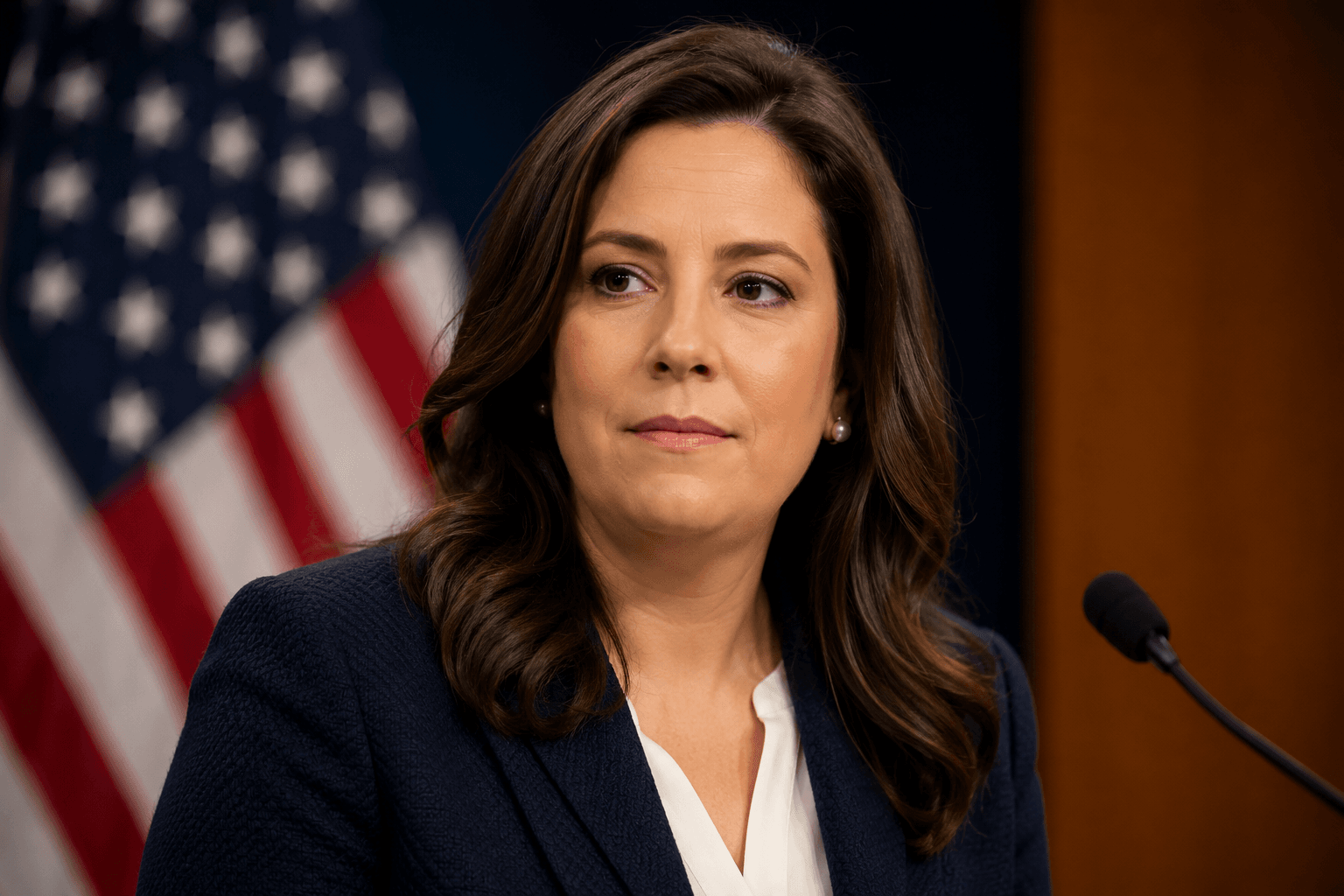

Elise Stefanik has become one of the most recognizable and influential figures in modern American politics. Known for her strong communication skills, conservative leadership, and growing role within the Republican Party, Stefanik has established herself as an important voice in national political discussions.
Over the years, she has gained attention for her positions on economic policy, national security, education, government oversight, and political strategy. As American politics continues evolving in a highly polarized environment, leaders like Elise Stefanik represent a new generation of political influence shaped by media visibility, party dynamics, and changing voter expectations.
Supporters view Stefanik as a confident and effective leader capable of navigating complex political challenges, while critics often debate her policy positions and political strategies. Regardless of political opinion, her rapid rise in national politics demonstrates her growing importance within the American political landscape.
Early Life and Education
Elise Stefanik was born in Albany, New York, and raised in a family with strong business and community values. From an early age, she demonstrated academic ambition and leadership potential.
She attended Harvard University, where she studied government and became actively involved in political and academic activities. Her educational background helped shape her understanding of public policy, governance, and political communication.
Like many modern political leaders, Stefanik entered politics with a combination of academic preparation, professional experience, and strategic networking skills.
Entry Into Politics
Before serving in Congress, Elise Stefanik worked in government and political advisory roles. She gained experience in policy development and communications while working with national political organizations and campaigns.
Her political career accelerated significantly when she decided to run for Congress in New York’s 21st congressional district. In 2014, she won the election and became one of the youngest women ever elected to the United States Congress.
Her victory attracted national attention and positioned her as an emerging figure within the Republican Party.
Political Ideology and Leadership Style
Elise Stefanik is generally associated with conservative political positions, although her political evolution has attracted considerable public discussion over the years.
Her leadership style is often characterized by strong media engagement, direct communication, and strategic political messaging. She has become known for her ability to communicate effectively during congressional hearings, public interviews, and national political debates.
Supporters view her as a disciplined and articulate representative who strongly advocates for her constituents and party priorities. Critics sometimes argue that her political positions have shifted over time in response to broader party dynamics.
Regardless of differing opinions, Stefanik’s ability to remain politically relevant demonstrates her understanding of modern political communication and media influence.
Role in Congress
As a member of Congress, Elise Stefanik has participated in discussions involving economic growth, education reform, national defense, energy policy, and government accountability.
She has served on several important congressional committees and gained visibility during nationally televised hearings and investigations.
Congressional hearings have increasingly become major media events in modern politics, and Stefanik’s questioning style and public appearances have often generated significant public attention.
Her role within congressional leadership has also expanded over time, strengthening her influence within Republican political strategy and party organization.
The Importance of Media in Modern Politics
Modern political success is closely connected to media visibility and communication strategy. Politicians today must navigate television interviews, social media platforms, online news cycles, and digital political campaigns.
Elise Stefanik has demonstrated a strong understanding of modern political media dynamics. Through interviews, speeches, social media engagement, and public appearances, she has built a recognizable national profile.
Digital communication allows politicians to connect directly with supporters, shape public narratives, and respond quickly to political developments.
At the same time, increased media exposure also creates greater public scrutiny and political pressure. Political leaders must constantly manage public perception in an environment where news spreads rapidly across digital platforms.
Women in American Politics
Elise Stefanik is also part of a broader trend involving the increasing influence of women in American politics.
Over the past several decades, more women have entered leadership positions at local, state, and national levels of government. Female political leaders now play major roles in shaping public policy, party leadership, and international diplomacy.
Stefanik’s career highlights both the opportunities and challenges faced by women in modern politics. Female politicians often experience intense media attention and public scrutiny while balancing leadership expectations and political competition.
Her rise within national politics reflects changing attitudes regarding gender and leadership in the United States.
National Security and Foreign Policy
National security remains one of the most important issues in American politics, particularly during periods of global uncertainty.
Elise Stefanik has supported policies emphasizing military strength, border security, and strategic international alliances. Like many American political leaders, she has discussed the importance of maintaining national defense capabilities while addressing emerging cybersecurity threats and global tensions.
Foreign policy debates continue influencing domestic politics, especially regarding trade, military involvement, international partnerships, and economic competition with global powers.
Political leaders increasingly face the challenge of balancing domestic priorities with international responsibilities in a rapidly changing world.
Education and Economic Issues
Economic growth and education policy remain central concerns for American voters. Stefanik has frequently discussed issues related to job creation, workforce development, energy production, and inflation.
Economic uncertainty often shapes political debates, especially during periods of rising living costs and global market instability.
Education policy has also become a major political topic in recent years. Discussions regarding curriculum standards, student loans, school funding, and parental involvement continue influencing elections and public opinion.
Politicians like Elise Stefanik play significant roles in shaping these national conversations and legislative priorities.
Political Polarization in America
One of the defining features of modern American politics is increasing political polarization. Media fragmentation, ideological divisions, and social media debates have intensified partisan conflict across the country.
Political leaders often face pressure from both supporters and critics regarding policy positions, public statements, and party loyalty.
Elise Stefanik’s career reflects this broader political environment. Her rise within Republican leadership demonstrates how modern political influence is increasingly connected to media strategy, party alignment, and voter engagement.
At the same time, political polarization continues creating challenges for bipartisan cooperation and legislative compromise.
The Future of American Political Leadership
As younger generations become more politically active, the future of American leadership will likely continue evolving through technology, media influence, and changing voter priorities.
Politicians who can effectively communicate across digital platforms while addressing economic, social, and security concerns may remain highly influential.
Elise Stefanik represents a generation of political leaders operating in a media-driven political environment where communication strategy is nearly as important as policy itself.
Her continued influence will likely depend on her ability to adapt to changing political conditions while maintaining support within both party leadership and voter communities.
Conclusion
Elise Stefanik has become a major figure in modern American politics through her leadership, communication skills, and growing influence within the Republican Party.
From her early entry into Congress to her expanding role in national political debates, she has demonstrated a strong ability to navigate the increasingly competitive and media-focused world of modern governance.
Her career reflects broader trends involving political polarization, digital communication, women in leadership, and the evolving nature of public influence in American politics.
As political dynamics continue changing in the United States, leaders like Elise Stefanik will likely remain important voices shaping policy discussions, party strategy, and national political conversations for years to come.





Leave a Reply