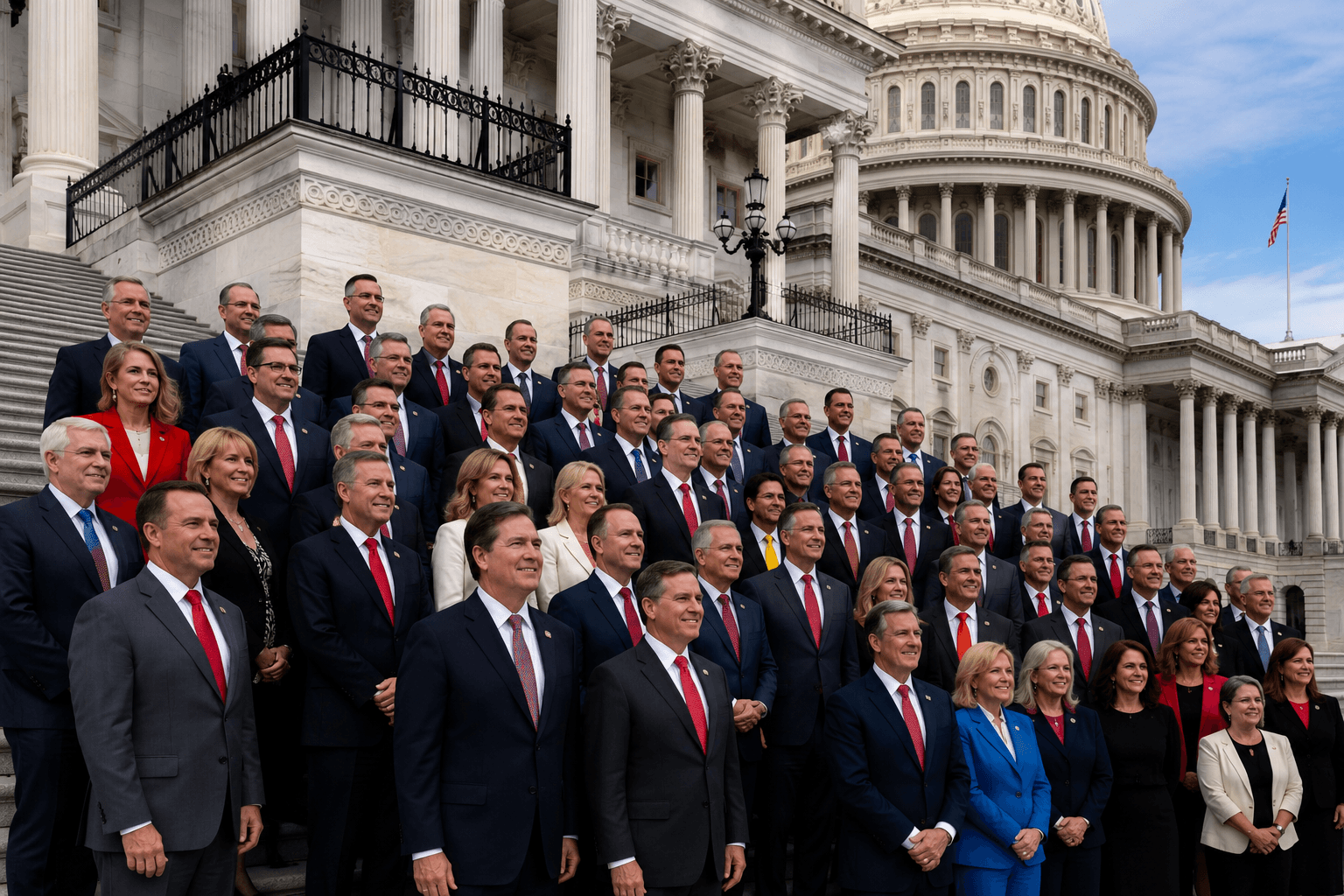

The House Republican Conference is one of the most important political organizations within the United States Congress. It serves as the official organization of Republican members in the U.S. House of Representatives and plays a major role in shaping legislative priorities, party messaging, and political strategy.
As the Republican Party continues to influence national policy debates, the House Republican Conference remains at the center of discussions involving government spending, taxation, border security, national defense, healthcare, energy policy, and economic growth.
The conference brings together Republican representatives from across the country, helping coordinate policy goals and legislative action while presenting a unified political message to voters.
In this article, we explore the history, structure, leadership, responsibilities, policy priorities, and political significance of the House Republican Conference.
What Is the House Republican Conference?
The House Republican Conference is the formal organization of Republican members serving in the United States House of Representatives.
Its primary purpose is to help members communicate, coordinate legislative activities, develop policy positions, and advance the party’s agenda within Congress.
The conference acts as a central body where Republican lawmakers discuss issues, share ideas, and determine strategic priorities.
Through regular meetings and internal discussions, members work together to address national issues and legislative challenges.
The organization serves as an important link between elected representatives and party leadership.
History of the House Republican Conference
The origins of the House Republican Conference date back to the nineteenth century.
As the Republican Party expanded following its formation in the 1850s, lawmakers recognized the need for a structured organization to coordinate congressional activities.
Over time, the conference evolved into a formal leadership body responsible for communication, policy development, and legislative planning.
Throughout American history, the conference has played a role in major political developments, including economic reforms, national security initiatives, tax legislation, and constitutional debates.
Its influence has grown alongside the increasing complexity of modern government and national politics.
Purpose and Responsibilities
The House Republican Conference performs several important functions.
Its responsibilities include:
- Developing legislative priorities
- Coordinating party strategy
- Communicating policy positions
- Supporting Republican members
- Organizing conference meetings
- Building party unity
- Preparing election strategies
The conference helps ensure that Republican lawmakers can work together effectively on issues affecting the nation.
It also provides opportunities for members to discuss policy proposals before legislation reaches the House floor.
Leadership Structure
The House Republican Conference includes a leadership team responsible for guiding the organization and managing its operations.
Key leadership positions often include:
- Speaker of the House (when Republicans hold the majority)
- House Majority Leader
- House Majority Whip
- Conference Chair
- Policy Committee Leaders
- Committee Chairs
These leaders help establish priorities, coordinate legislative efforts, and communicate the party’s goals to both lawmakers and the public.
Leadership elections are held periodically, allowing members to choose representatives who will guide the conference.
How the Conference Operates
The House Republican Conference meets regularly to discuss legislative matters and political developments.
During these meetings, members receive policy updates, debate proposals, and hear presentations from leadership.
Conference meetings provide opportunities for lawmakers to:
- Discuss pending legislation
- Review policy proposals
- Coordinate voting strategies
- Address constituent concerns
- Develop communication plans
These meetings help ensure that members remain informed about major issues before important votes take place.
Legislative Influence
The House Republican Conference plays a significant role in shaping legislation.
When Republicans hold a majority in the House, conference priorities often influence which bills move forward and how legislative debates are structured.
Even when Republicans are in the minority, the conference remains an important voice in policy discussions.
Members use the organization to propose alternatives, challenge legislation, and advocate for conservative policy solutions.
The conference’s influence extends across numerous policy areas affecting American citizens and businesses.
Economic Policy Priorities
Economic issues are frequently among the top priorities of the House Republican Conference.
Republican lawmakers often emphasize:
- Tax reduction
- Economic growth
- Business development
- Job creation
- Fiscal responsibility
- Government efficiency
Supporters argue that these policies encourage investment, entrepreneurship, and long-term economic expansion.
Economic legislation remains one of the conference’s most important areas of focus.
National Security and Defense
National security is another major area of emphasis for the House Republican Conference.
Members frequently advocate policies related to:
- Military readiness
- Border security
- Counterterrorism
- Cybersecurity
- International alliances
- Defense modernization
Republican lawmakers often argue that a strong national defense is essential for maintaining American security and global stability.
These issues regularly appear in conference discussions and legislative proposals.
Energy and Natural Resources
Energy policy has become increasingly important within congressional debates.
The House Republican Conference generally supports policies aimed at expanding domestic energy production and reducing dependence on foreign energy sources.
Key topics often include:
- Oil and gas production
- Energy independence
- Infrastructure development
- Electric grid reliability
- Resource management
Members frequently argue that affordable and reliable energy supports economic growth and national security.
Healthcare and Social Policy
Healthcare remains a major area of policy discussion within the conference.
Republican lawmakers often focus on:
- Healthcare affordability
- Patient choice
- Insurance market reforms
- Medical innovation
- Access to healthcare services
Social policy issues are also regularly discussed, reflecting the diverse priorities of Republican representatives from different regions of the country.
These debates help shape the conference’s legislative agenda.
Relationship With Voters
The House Republican Conference plays an important role in communicating with voters.
Through press conferences, public statements, social media, and town hall meetings, members explain their policy positions and legislative activities.
Communication efforts focus on helping constituents understand how congressional decisions affect their daily lives.
The conference also works to promote Republican candidates during election cycles and strengthen support among voters.
Public engagement remains a key part of the organization’s mission.
Challenges Facing the Conference
Like any large political organization, the House Republican Conference faces challenges.
These may include:
- Internal policy disagreements
- Managing diverse viewpoints
- Responding to national crises
- Balancing regional interests
- Maintaining party unity
Republican representatives come from different states and districts, each with unique economic, social, and political priorities.
Conference leaders must balance these interests while advancing a cohesive legislative strategy.
The Conference’s Role in Modern Politics
The House Republican Conference remains one of the most influential organizations in American government.
Its decisions help shape congressional debates, influence legislative outcomes, and define Republican policy priorities.
Whether addressing economic issues, national security concerns, healthcare reform, or energy policy, the conference plays a central role in determining how Republican lawmakers approach major national challenges.
Its influence extends beyond Congress into elections, public discourse, and broader political movements across the country.
Future Outlook
As political, economic, and technological changes continue transforming American society, the House Republican Conference will likely face new opportunities and challenges.
Emerging issues such as artificial intelligence, cybersecurity, infrastructure modernization, and global competition are expected to shape future legislative debates.
The conference’s ability to adapt to changing conditions while maintaining its core principles will play a major role in its future effectiveness.
Many political observers believe the organization will remain a significant force in shaping American public policy for years to come.
Conclusion
The House Republican Conference serves as the central organization for Republican members of the U.S. House of Representatives. Through leadership, policy development, communication, and legislative coordination, it plays a critical role in advancing the Republican Party’s agenda.
Its influence reaches across economic policy, national security, healthcare, energy, and numerous other issues affecting Americans every day.
As Congress continues addressing complex national challenges, the House Republican Conference will remain an important institution within the legislative process and a key player in the future of American politics.





Leave a Reply