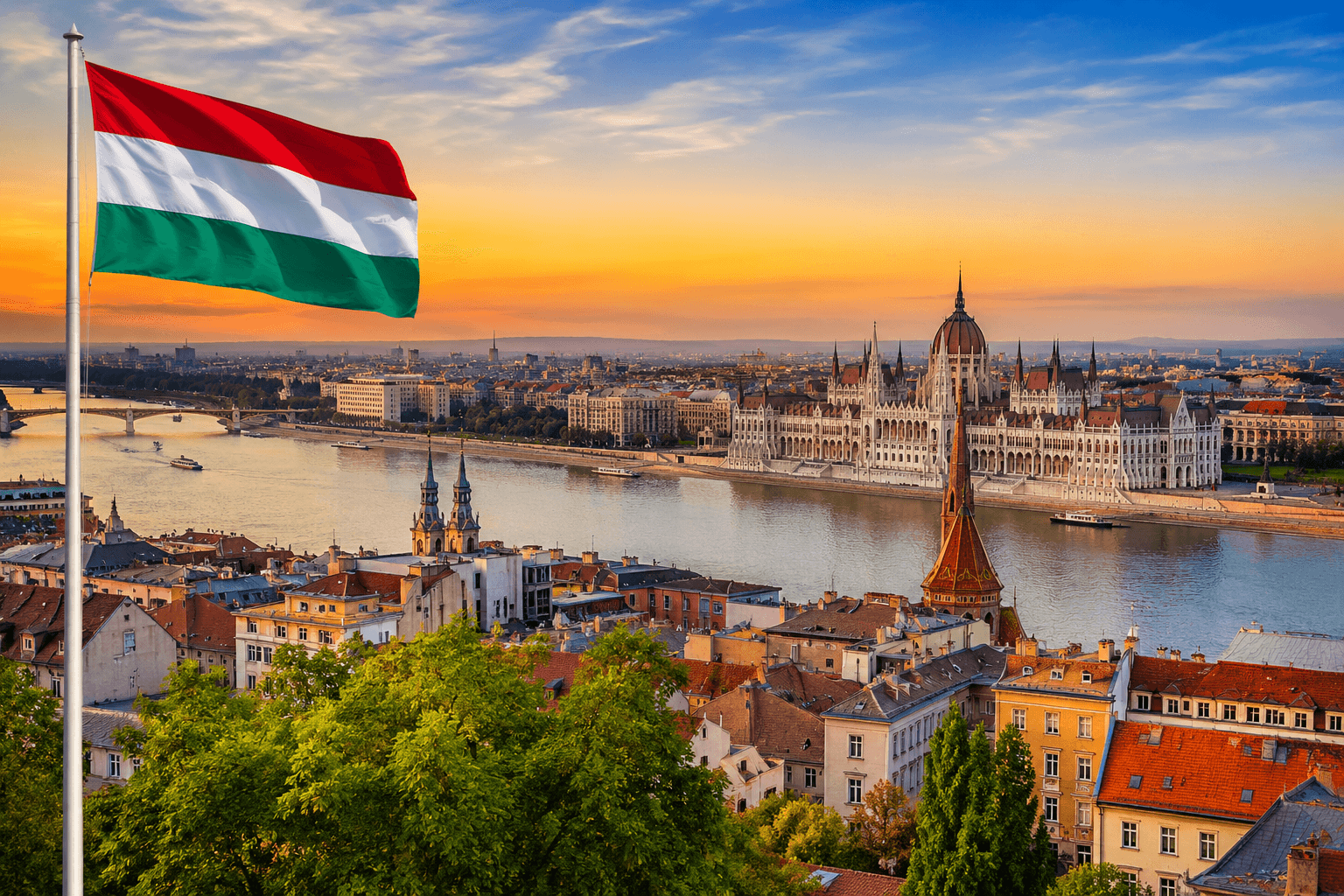

Hungary is one of Europe’s most fascinating countries, known for its rich history, stunning architecture, unique culture, and strategic location in Central Europe. From the beautiful streets of Budapest to the scenic countryside and thermal baths, Hungary attracts millions of visitors every year.
With a history stretching back more than a thousand years, Hungary has played an important role in shaping European politics, culture, and trade. Today, the country combines historic traditions with modern development, making it an important member of the European Union and a significant destination for tourism, education, and business.
Whether you are interested in history, travel, food, or economics, Hungary offers something for everyone.
In this article, we explore Hungary’s history, geography, culture, economy, tourism attractions, education system, and its growing influence in Europe.
Where Is Hungary Located?
Hungary is a landlocked country located in Central Europe.
It shares borders with:
- Austria
- Slovakia
- Ukraine
- Romania
- Serbia
- Croatia
- Slovenia
The country’s central location has made it an important crossroads for trade, migration, and cultural exchange throughout history.
Hungary covers approximately 93,000 square kilometers and has a population of nearly 10 million people.
The capital city, Budapest, is widely considered one of the most beautiful cities in Europe.
A Brief History of Hungary
Hungary’s history dates back more than a thousand years.
The Hungarian state was founded around the year 1000 when King Stephen I became the country’s first Christian king.
Throughout the centuries, Hungary experienced periods of growth, conflict, foreign occupation, and political transformation.
Major historical milestones include:
- The Kingdom of Hungary
- The Ottoman occupation
- The Austro-Hungarian Empire
- World War I and World War II
- The Communist era
- The transition to democracy in 1989
Following the collapse of communism, Hungary embraced democratic reforms and market-based economic policies.
Today, it is a member of the European Union and NATO.
Budapest: The Heart of Hungary
Budapest is Hungary’s capital and largest city.
The city is divided by the Danube River into two historic sections: Buda and Pest.
Budapest is famous for its:
- Historic castles
- Parliament building
- Thermal baths
- Museums
- Bridges
- Nightlife
The Hungarian Parliament Building is one of the country’s most recognizable landmarks and a symbol of national identity.
The city’s combination of history, culture, and modern development attracts millions of tourists annually.
Hungarian Culture and Traditions
Hungary has a unique cultural identity that differs from many neighboring countries.
The Hungarian language, known as Magyar, belongs to the Finno-Ugric language family and is distinct from most European languages.
Cultural traditions remain an important part of daily life.
Popular cultural elements include:
- Folk music
- Traditional dance
- Craftsmanship
- Literature
- Classical music
Hungarians are proud of their cultural heritage and continue celebrating festivals and national holidays throughout the year.
Hungarian Cuisine
Food plays a major role in Hungarian culture.
Hungarian cuisine is known for its rich flavors, hearty dishes, and generous use of paprika.
Popular Hungarian foods include:
- Goulash
- Chicken Paprikash
- Lángos
- Stuffed cabbage
- Fisherman’s soup
- Dobos cake
Hungarian dishes often feature meat, vegetables, spices, and traditional cooking techniques passed down through generations.
Local wines and fruit brandies are also popular throughout the country.
Tourism in Hungary
Tourism is one of Hungary’s most important industries.
Millions of visitors travel to the country every year to explore its historical sites, natural beauty, and cultural attractions.
Popular tourist destinations include:
- Budapest
- Lake Balaton
- Eger
- Pécs
- Debrecen
- Hortobágy National Park
Lake Balaton, often called the “Hungarian Sea,” is Central Europe’s largest freshwater lake and a popular summer vacation destination.
The country’s famous thermal baths also attract health and wellness tourists from around the world.
Thermal Baths and Wellness Tourism
Hungary is internationally known for its thermal springs and spa culture.
Natural hot springs can be found throughout the country.
Many visitors travel specifically to experience Hungary’s historic bathhouses.
Some of the most famous baths include:
- Széchenyi Thermal Bath
- Gellért Baths
- Rudas Baths
These facilities combine relaxation, health treatments, and historic architecture.
Wellness tourism continues contributing significantly to Hungary’s economy.
Hungary’s Economy
Hungary has a diversified economy supported by manufacturing, services, agriculture, and technology.
Major industries include:
- Automobile manufacturing
- Electronics
- Pharmaceuticals
- Agriculture
- Information technology
- Tourism
The country has attracted substantial foreign investment due to its strategic location and skilled workforce.
Several global companies operate manufacturing and research facilities in Hungary.
The economy continues modernizing while maintaining strong export relationships across Europe.
Education and Research
Hungary has a long tradition of academic excellence.
The country is home to several respected universities and research institutions.
Higher education attracts both domestic and international students.
Fields of study commonly associated with Hungary include:
- Medicine
- Engineering
- Science
- Business
- Technology
Many Hungarian scientists, mathematicians, and inventors have made significant contributions to global knowledge and innovation.
Politics and Government
Hungary operates as a parliamentary republic.
The government consists of executive, legislative, and judicial branches.
Political developments in Hungary often attract international attention due to debates regarding democracy, national sovereignty, migration policies, and relations with the European Union.
The country continues playing an active role in regional and European affairs.
Natural Beauty and Outdoor Activities
Although Hungary is often associated with cities and historic landmarks, it also offers impressive natural landscapes.
Outdoor enthusiasts can enjoy:
- Hiking
- Cycling
- Birdwatching
- Boating
- Fishing
National parks and protected areas help preserve Hungary’s natural heritage.
These locations provide opportunities for eco-tourism and outdoor recreation.
Why Hungary Matters in Europe
Hungary’s geographic location and historical influence make it an important country within Europe.
It serves as a bridge between Eastern and Western Europe and plays a role in trade, transportation, and regional cooperation.
The country’s economic growth, cultural heritage, and political influence continue shaping its position within the European Union.
As global challenges evolve, Hungary remains an important participant in discussions involving security, energy, migration, and economic development.
Future Opportunities and Challenges
Like many nations, Hungary faces both opportunities and challenges in the coming decades.
Key areas of focus include:
- Economic modernization
- Technological innovation
- Population trends
- Environmental sustainability
- International cooperation
The country’s ability to balance tradition with modernization will likely play a major role in its future success.
Continued investment in education, infrastructure, and innovation may help Hungary strengthen its position in the global economy.
Conclusion
Hungary is a remarkable country with a rich history, vibrant culture, growing economy, and world-famous tourist attractions. From the historic beauty of Budapest to the relaxing thermal baths and unique culinary traditions, Hungary offers visitors and residents a distinctive European experience.
Its strategic location, cultural heritage, and modern development continue making it an important nation within Europe. Whether viewed through the lens of history, tourism, education, or economics, Hungary remains a fascinating country with a promising future.
As it continues evolving in the 21st century, Hungary’s blend of tradition and innovation ensures its place as one of Central Europe’s most influential and interesting destinations.





Leave a Reply