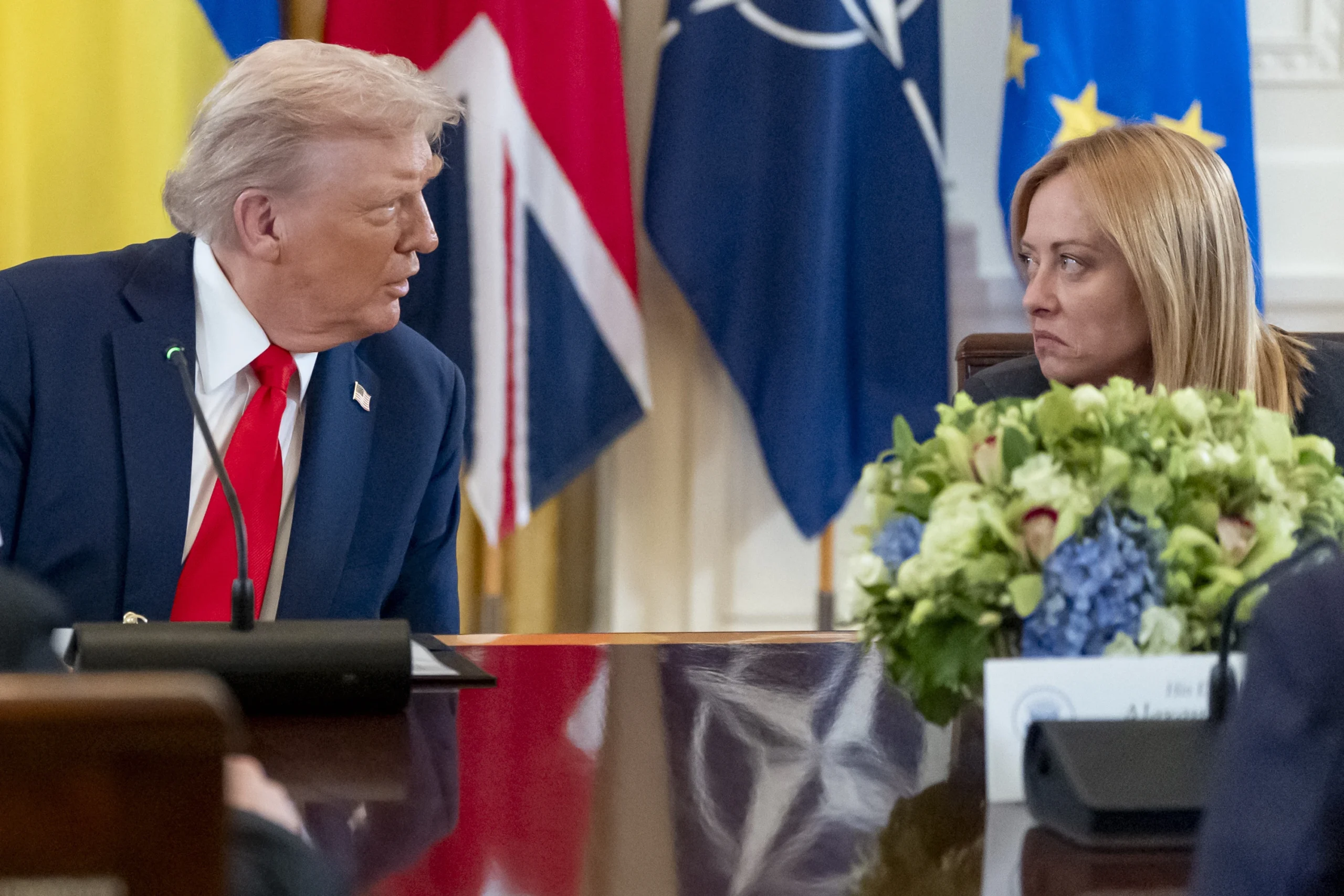

A new diplomatic dispute between the United States and Italy has drawn international attention after Italian Foreign Minister Antonio Tajani canceled a planned trip to the United States following controversial remarks attributed to U.S. President Donald Trump about Italian Prime Minister Giorgia Meloni.
The incident has sparked debate across Europe and the United States, highlighting the importance of diplomatic language, international alliances, and the personal relationships that often shape global politics. While disagreements between allied nations are not uncommon, the public nature of the dispute has raised questions about the future of U.S.-Italy relations and broader transatlantic cooperation.
The controversy comes at a time when geopolitical challenges, economic uncertainty, and international security concerns require close collaboration between Western allies. As a result, political observers are carefully monitoring the implications of the latest diplomatic disagreement.
What Triggered the Controversy?
The dispute emerged after comments attributed to President Trump regarding Italian Prime Minister Giorgia Meloni generated widespread criticism within Italy.
According to reports, Trump claimed that Meloni had strongly sought a photograph with him during the recent G7 summit. Meloni publicly rejected the characterization, describing the account as inaccurate and fabricated.
The remarks quickly became a major political issue in Italy, prompting responses from government officials, opposition leaders, and media organizations.
What might have appeared to some as a personal disagreement soon developed into a broader diplomatic matter.
Antonio Tajani’s Response
Italian Foreign Minister Antonio Tajani responded strongly to the comments.
As Italy’s top diplomat, Tajani plays a key role in managing the country’s international relationships and representing Italian interests abroad.
Following the controversy, Tajani announced that he would cancel a planned visit to the United States, describing the reported remarks as offensive and inappropriate.
The decision immediately elevated the dispute from a political disagreement to a diplomatic incident.
Who Is Antonio Tajani?
Antonio Tajani is one of Italy’s most experienced political figures.
Throughout his career, he has served in various leadership roles within Italian and European institutions.
His experience includes positions involving:
- Foreign affairs
- European Union policy
- Economic cooperation
- International diplomacy
- Government administration
As foreign minister, his decisions carry significant diplomatic weight.
Giorgia Meloni’s Position
Prime Minister Giorgia Meloni has become one of Europe’s most influential political leaders.
Since taking office, she has focused on issues such as economic policy, immigration, national sovereignty, and international partnerships.
Meloni has often sought to maintain strong relations with both European allies and the United States.
Because of her prominent role in international affairs, comments directed at her frequently attract considerable media attention.
A Relationship Once Seen as Strong
Observers have frequently noted that Meloni and Trump shared ideological similarities on several political issues.
In previous years, analysts often described Meloni as one of the European leaders most likely to maintain productive relations with Trump.
However, recent disagreements regarding international policy issues have appeared to strain that relationship.
The latest controversy has further intensified speculation about the future of their political relationship.
The Importance of Diplomatic Language
Diplomatic communication plays a crucial role in international relations.
Words spoken by political leaders can influence negotiations, alliances, public opinion, and foreign policy decisions.
Because of this, governments often react strongly when remarks are perceived as disrespectful or damaging.
Even informal comments can have significant diplomatic consequences when they involve national leaders.
How International Disputes Develop
Diplomatic disagreements often begin with public statements, policy differences, or conflicting national interests.
In many cases, governments attempt to resolve disputes through private communication channels.
However, when disagreements become public, political leaders may feel pressure to respond more forcefully.
Public reactions can sometimes transform relatively minor incidents into major diplomatic stories.
The Role of the Media
Modern media plays a powerful role in shaping international political narratives.
Television interviews, social media posts, newspaper articles, and online discussions can rapidly amplify political disputes.
In this case, widespread reporting helped turn the disagreement into a major international story.
Media coverage also influences how citizens in both countries perceive the controversy.
Italy’s Domestic Political Reaction
The comments generated reactions from across Italy’s political spectrum.
Government officials, political parties, and commentators debated the significance of the remarks and Italy’s response.
Many political figures expressed support for defending the country’s dignity and international reputation.
Even political rivals occasionally unite when issues involve national prestige and foreign relations.
U.S.-Italy Relations Beyond the Dispute
Despite occasional disagreements, the United States and Italy maintain a long-standing alliance.
The two countries cooperate on numerous issues, including:
- Defense and security
- Trade and investment
- Counterterrorism efforts
- NATO operations
- Technology partnerships
- Energy security
These shared interests create strong institutional ties that typically extend beyond individual political disputes.
The NATO Connection
Both Italy and the United States are key members of NATO.
The alliance remains central to European and transatlantic security policy.
Cooperation within NATO requires ongoing communication and coordination among member states.
For this reason, diplomatic tensions between allied countries often attract attention from international observers.
Broader Geopolitical Context
The controversy occurs during a period of heightened global uncertainty.
Governments around the world are dealing with challenges such as:
- Regional conflicts
- Economic instability
- Energy concerns
- Migration issues
- Cybersecurity threats
- Strategic competition among major powers
Strong diplomatic relationships are often viewed as essential for addressing these complex challenges.
Can Diplomatic Damage Be Repaired?
History shows that diplomatic disputes between allies are often temporary.
Governments frequently use private negotiations, public statements, and diplomatic meetings to reduce tensions.
Even significant disagreements can eventually give way to renewed cooperation when mutual interests remain strong.
The future trajectory of this dispute will likely depend on how both governments choose to respond in the coming weeks and months.
Public Perception and Political Impact
Public opinion can play an important role in shaping foreign policy decisions.
Political leaders often consider how international incidents affect domestic audiences.
Supporters may view strong responses as necessary demonstrations of leadership, while critics may advocate for a more measured diplomatic approach.
The political impact of the controversy may continue to evolve as new developments emerge.
The Future of U.S.-Italy Relations
While the current dispute has generated headlines, the broader relationship between the United States and Italy remains substantial and multifaceted.
Economic cooperation, security partnerships, and shared democratic values continue to provide a strong foundation for future collaboration.
Diplomatic disagreements may create temporary tensions, but long-term strategic interests often encourage continued engagement.
Conclusion
The cancellation of Italian Foreign Minister Antonio Tajani’s planned U.S. trip following comments about Prime Minister Giorgia Meloni represents a notable moment in contemporary diplomacy. The incident highlights the importance of respectful communication among allies and demonstrates how personal remarks can quickly evolve into broader international disputes.
As Italy and the United States navigate this controversy, observers will be watching closely to see how both governments manage the situation. Regardless of short-term tensions, the long-standing partnership between the two countries remains an important pillar of transatlantic relations, making future diplomatic engagement likely and necessary.





Leave a Reply