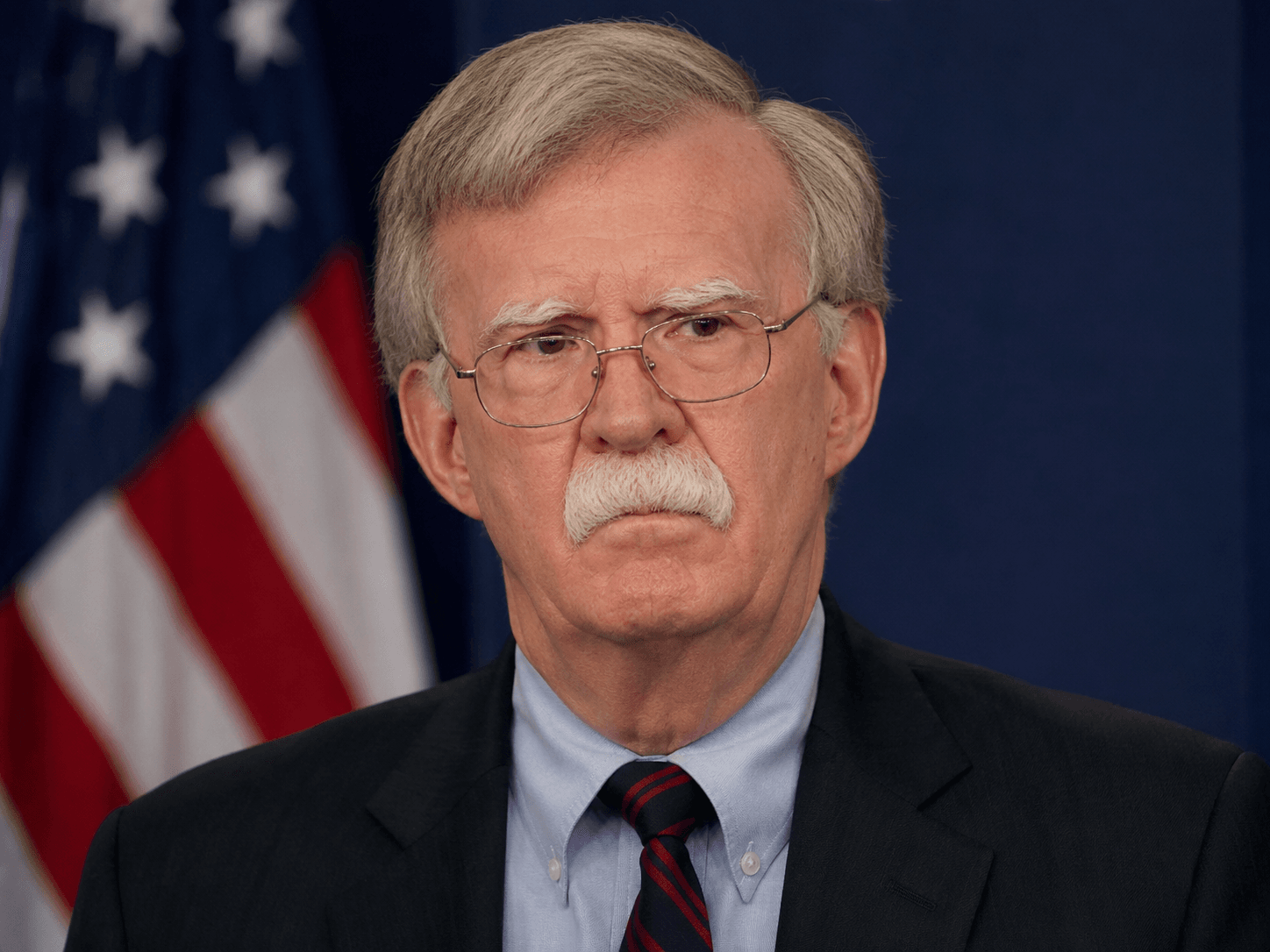

John Bolton is an American attorney, diplomat, and political commentator best known for his influential role in shaping U.S. foreign policy and national security strategy. Over the course of his career, Bolton has served in several high-level government positions, including U.S. Ambassador to the United Nations and National Security Advisor.
He is widely recognized for his strong hawkish views on foreign policy, particularly regarding Iran, North Korea, and global security threats. His career has made him one of the most controversial and closely watched figures in American politics.
This article explores John Bolton’s background, government service, foreign policy positions, controversies, and his broader impact on U.S. national security strategy.
Early Life and Education
John Robert Bolton was born in Baltimore, Maryland, and grew up in a working-class family. From an early age, he showed strong academic ability and a deep interest in politics and international affairs.
Bolton attended Yale University, where he earned his undergraduate degree and later graduated from Yale Law School. His education provided a strong foundation in law, governance, and policy analysis.
During his university years, Bolton developed a conservative political outlook that would later define his career in public service.
Early Career in Government
Bolton began his professional career working in various legal and government roles. He served in multiple Republican administrations, including positions in the Department of Justice and the State Department.
His early government experience helped him build expertise in legal interpretation, international relations, and administrative policy.
Bolton’s reputation as a strong advocate for American national interests began to take shape during these formative years.
Role as U.S. Ambassador to the United Nations
One of Bolton’s most prominent early roles was serving as the U.S. Ambassador to the United Nations under President George W. Bush.
In this position, he represented the United States in international diplomacy and participated in debates on global security, sanctions, and international law.
Bolton was known for his skeptical stance toward international organizations, particularly the United Nations, where he often argued that U.S. sovereignty should take priority over multilateral agreements.
His tenure at the UN was marked by strong debates over issues such as weapons proliferation, Middle East conflicts, and global security enforcement.
Foreign Policy Philosophy
John Bolton is widely recognized for his hawkish foreign policy approach.
His core beliefs include:
- Strong national defense and military readiness
- Limited reliance on international organizations
- Firm stance against nuclear proliferation
- Use of economic sanctions and pressure tactics
- Prioritizing U.S. strategic interests abroad
Bolton has consistently argued that the United States must maintain military strength and global influence to ensure national security and stability.
His approach often emphasizes deterrence and assertive action in international conflicts.
Role as National Security Advisor
John Bolton later served as National Security Advisor in the Trump administration. In this role, he was responsible for advising the president on matters of national security, foreign policy, and global threats.
As National Security Advisor, Bolton played a key role in shaping U.S. policy toward countries such as Iran, North Korea, and Venezuela.
He was involved in high-level discussions regarding military strategy, sanctions policy, and diplomatic negotiations.
His tenure in this position reflected his long-standing views on strong foreign policy enforcement and national defense priorities.
Key Foreign Policy Issues
Throughout his career, Bolton has focused on several major international issues.
These include:
- Iran nuclear program and sanctions policy
- North Korea’s nuclear weapons development
- U.S. military presence in the Middle East
- Relations with Russia and China
- Global counterterrorism efforts
Bolton has frequently advocated for a tough stance on adversarial nations, emphasizing the importance of deterrence and strategic pressure.
Controversial Reputation
John Bolton is a highly controversial figure in American politics. Supporters view him as a strong defender of U.S. national security, while critics argue that his policies are overly aggressive and increase international tensions.
His outspoken views and willingness to challenge diplomatic norms have made him a polarizing figure in both domestic and international politics.
Bolton’s approach to foreign policy often places him at odds with advocates of diplomacy and multilateral cooperation.
Relationship with the Trump Administration
Bolton’s time in the Trump administration was marked by both influence and disagreement.
While he supported some aspects of the administration’s foreign policy, he also reportedly had significant differences with the president on issues such as diplomatic negotiations and military intervention.
These internal disagreements eventually led to his departure from the administration.
Despite leaving the role, Bolton continued to speak publicly on foreign policy and national security issues.
Post-Government Career
After leaving government service, John Bolton became active as a political commentator, author, and analyst.
He has written books and frequently appears in media interviews to discuss international affairs and U.S. foreign policy.
His commentary often focuses on global security threats, diplomatic strategy, and critiques of U.S. foreign policy decisions.
Bolton remains a prominent voice in discussions about national security and international relations.
Views on Global Security
Bolton consistently emphasizes the importance of maintaining strong U.S. military capabilities and global influence.
He argues that instability in regions such as the Middle East and Asia requires proactive American engagement.
His views often prioritize security concerns over diplomatic compromise, reflecting his long-standing foreign policy philosophy.
Criticism and Debate
Critics of John Bolton argue that his policies can contribute to increased international conflict and reduce opportunities for diplomatic resolution.
They suggest that aggressive foreign policy approaches may escalate tensions rather than resolve underlying issues.
Supporters, however, argue that his strong stance helps deter adversaries and protect U.S. national interests.
This ongoing debate reflects broader divisions in American foreign policy strategy.
Influence on U.S. Foreign Policy
John Bolton’s influence on U.S. foreign policy has been significant over several decades.
His ideas have shaped discussions on military intervention, sanctions policy, and international diplomacy.
Even outside of government, his opinions continue to influence policymakers and political debates.
Bolton’s career highlights the role of individual advisors in shaping national security strategy.
Public Image and Media Presence
Bolton is a frequent presence in media discussions about foreign policy and global security.
His interviews and writings often generate debate and analysis across political and academic circles.
He is viewed as a knowledgeable but polarizing figure due to his strong positions on international affairs.
His public image reflects both respect for his experience and criticism of his policy views.
Legacy in National Security
John Bolton’s legacy in U.S. foreign policy is complex and widely debated.
He is recognized as a highly experienced national security expert who played a key role in shaping American foreign policy across multiple administrations.
At the same time, his approach to diplomacy and military strategy remains controversial among policymakers and analysts.
His contributions continue to influence discussions on how the United States should engage with the world.
Conclusion
John Bolton is a significant figure in American foreign policy, known for his strong national security stance and influential roles in government.
From his early career in law and diplomacy to his position as National Security Advisor, Bolton has consistently advocated for a robust and assertive U.S. foreign policy.
While his views remain controversial, his impact on national security strategy and international relations is undeniable.
As global challenges continue to evolve, Bolton’s ideas and legacy remain part of ongoing debates about the future of U.S. foreign policy.





Leave a Reply