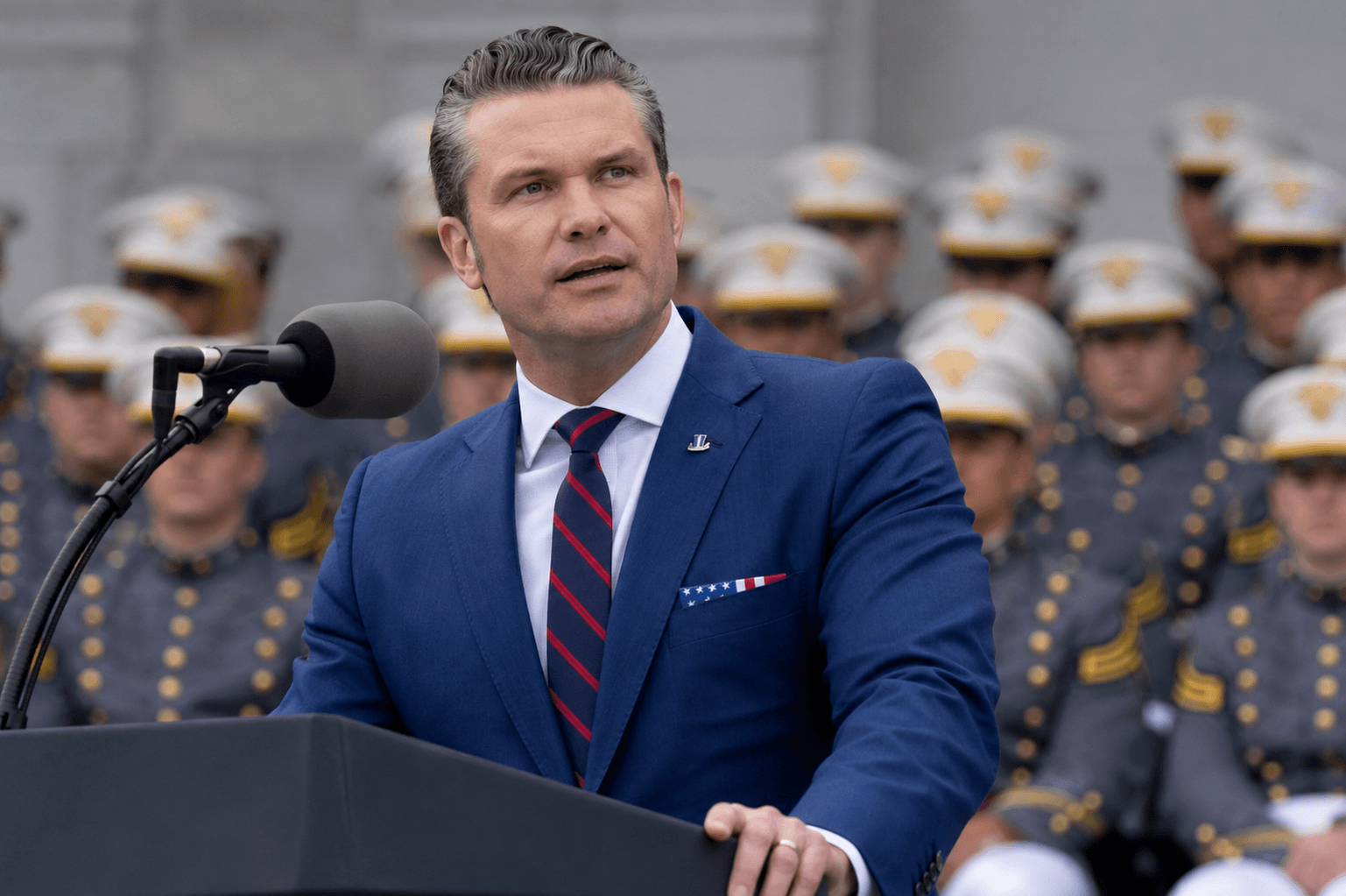

Public speeches delivered at military institutions often carry deep symbolic meaning, especially when the speaker discusses leadership, national identity, sacrifice, and service. Pete Hegseth’s speech at West Point generated significant attention because of his strong patriotic message, emphasis on military culture, and reflections on leadership in modern America.
As a former Army officer, television personality, author, and political commentator, Pete Hegseth has built a public image closely tied to military service and conservative values. His appearance at the United States Military Academy at West Point was viewed by supporters as an inspiring address focused on duty and national pride, while critics saw elements of political messaging in a traditionally nonpartisan military environment.
The speech became widely discussed not only because of Hegseth’s public profile but also because West Point itself represents one of the most respected military academies in the world. The institution has long symbolized discipline, honor, and leadership, producing generations of military officers who have shaped American history.
The Importance of West Point
The United States Military Academy at West Point is one of America’s oldest and most prestigious military institutions. Founded in 1802, the academy has trained thousands of officers who later served in major wars, government positions, and leadership roles across the country.
West Point is more than simply a military school. It represents a tradition of discipline, sacrifice, and commitment to national service. Cadets are trained not only in military strategy and physical endurance but also in ethics, leadership, and responsibility.
Because of its historical importance, speeches delivered at West Point often receive national attention. Leaders, politicians, military commanders, and public figures who speak there are expected to address themes related to service, honor, and the responsibilities of leadership.
Pete Hegseth’s speech fit within this tradition while also reflecting his own political and cultural perspectives.
Who Is Pete Hegseth?
Pete Hegseth is a former U.S. Army National Guard officer who served in Iraq, Afghanistan, and Guantanamo Bay. After his military career, he became a media personality and political commentator, gaining national recognition through his work on Fox News.
Hegseth has also written books focused on patriotism, American identity, military culture, and conservative political values. Throughout his public career, he has strongly advocated for support of military veterans and active service members.
His military background gives him credibility among many veterans and conservative audiences who view him as someone who understands military life firsthand. At the same time, his outspoken political views have made him a controversial figure in some circles.
When Hegseth spoke at West Point, many observers saw the event as part of a broader national conversation about patriotism, military tradition, and the role of cultural values in American institutions.
Main Themes of the Speech
Pete Hegseth’s West Point speech focused heavily on leadership, service, courage, and national identity. He encouraged cadets to embrace their responsibilities as future military officers and reminded them of the sacrifices required in military life.
One of the central messages of the speech was the importance of loving and defending one’s country. Hegseth emphasized that military service is not merely a profession but a commitment to protecting freedom and preserving national values.
He also spoke about resilience and personal discipline. According to Hegseth, strong leadership requires mental toughness, integrity, and the ability to make difficult decisions under pressure. These ideas resonated with many cadets preparing for careers in military leadership.
Another major theme involved the preservation of military traditions. Hegseth argued that military institutions should remain focused on combat readiness, leadership development, and national defense rather than becoming distracted by political or ideological debates.
His remarks reflected concerns shared by many conservatives who believe that military culture should prioritize unity, discipline, and operational effectiveness above all else.
Patriotism and National Identity
Patriotism was one of the most prominent elements of the speech. Hegseth spoke passionately about American history, the sacrifices of previous generations, and the importance of maintaining pride in the nation’s founding principles.
He encouraged cadets to see themselves as guardians of freedom and protectors of constitutional values. In his view, military officers must not only defend the country physically but also preserve the ideals upon which it was built.
This message appealed strongly to audiences who value traditional patriotic themes and believe national unity is essential for social stability and military strength.
At the same time, critics argued that some parts of the speech reflected political polarization rather than broad national unity. This debate highlighted the increasingly complex relationship between politics, media, and public institutions in the United States.
Leadership Lessons from the Speech
Leadership was another major focus of Hegseth’s address. He described leadership not as a position of power but as a responsibility built on trust, courage, and accountability.
Several leadership principles emerged throughout the speech:
- Lead by personal example
- Maintain discipline under pressure
- Protect the people under your command
- Remain loyal to core values
- Never stop learning and improving
Hegseth stressed that military leaders must earn respect through actions rather than words. He reminded cadets that officers are expected to make sacrifices and place the needs of others above personal comfort.
These ideas align closely with traditional military leadership philosophy taught at academies like West Point.
Public Reaction to the Speech
The public response to Pete Hegseth’s West Point speech was divided. Supporters praised the speech as inspiring, patriotic, and motivating for future military officers. Many conservative commentators applauded his emphasis on discipline, national pride, and military readiness.
Veterans and military supporters who appreciated Hegseth’s message argued that the speech reinforced the values that have historically defined military service. They viewed his comments as a reminder of the importance of unity, sacrifice, and commitment to country.
However, critics questioned whether some parts of the speech introduced unnecessary political themes into a military institution that traditionally seeks to remain politically neutral. Some observers argued that military speeches should focus more narrowly on service and leadership without becoming connected to broader political culture wars.
The debate surrounding the speech reflected larger tensions within American society regarding patriotism, politics, education, and institutional values.
The Role of Public Figures in Military Institutions
Pete Hegseth’s appearance at West Point also raised broader questions about the role of media personalities and political commentators in military settings. Over the years, military academies have hosted a wide variety of speakers, including presidents, military commanders, scholars, and public intellectuals.
Supporters of inviting diverse speakers argue that cadets benefit from hearing multiple perspectives on leadership and public service. Exposure to different viewpoints can help future officers better understand the society they serve.
Others believe military institutions should avoid speakers who are strongly associated with partisan political debates. They argue that maintaining political neutrality is essential for preserving trust in the military as a national institution.
Hegseth’s speech became part of this ongoing discussion about how military academies balance free expression, leadership education, and institutional neutrality.
Why the Speech Matters
The attention surrounding Pete Hegseth’s West Point speech demonstrates how military institutions remain deeply connected to broader national conversations about identity, leadership, and values.
For many Americans, the military represents one of the few institutions still associated with discipline, service, and national unity. Speeches delivered at places like West Point often become symbolic moments reflecting larger cultural and political debates.
Hegseth’s address resonated with audiences who believe patriotism and traditional values should remain central to American public life. At the same time, it sparked discussion about the appropriate role of political messaging within military environments.
Regardless of political opinion, the speech highlighted the enduring importance of leadership, character, and service in military education.
Conclusion
Pete Hegseth’s West Point speech was more than a simple public address. It became part of a broader national conversation about patriotism, leadership, military culture, and political identity in modern America.
Drawing on his experiences as a military veteran and public commentator, Hegseth encouraged cadets to embrace discipline, courage, and service to country. His emphasis on national pride and leadership resonated strongly with supporters who value traditional military principles.
At the same time, the speech generated debate about politics within public institutions and the evolving role of military academies in American society. This combination of inspiration and controversy ensured that the speech attracted significant public attention.
Ultimately, the event demonstrated the continued symbolic importance of West Point and the powerful role that speeches on leadership and service can play in shaping public discussion about national values and the future of military leadership.


Leave a Reply