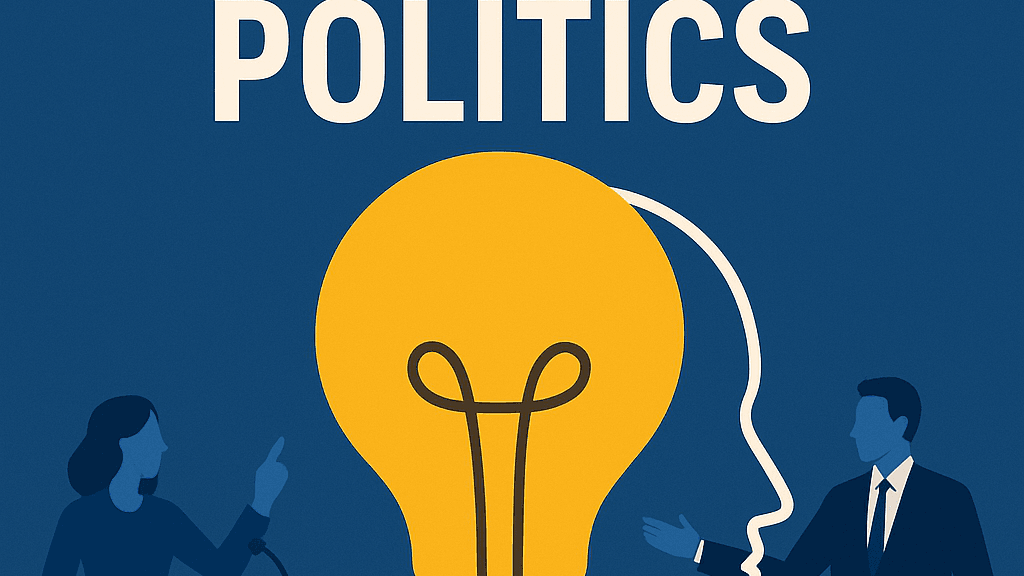

Politics is one of the most influential forces shaping modern societies. It affects how governments function, how laws are created, how resources are distributed, and how citizens interact with public institutions. Whether at the local, national, or international level, politics influences nearly every aspect of daily life, from education and healthcare to economic policies and national security.
Throughout history, politics has played a central role in the rise and fall of civilizations, the development of democratic systems, and the advancement of social change. While political debates can often be divisive, politics remains an essential mechanism through which societies address challenges, establish priorities, and make collective decisions.
In today’s interconnected world, political decisions have far-reaching consequences that extend beyond national borders. Understanding politics is therefore crucial for informed citizenship and active participation in public life.
This article explores the meaning of politics, its history, major political systems, key institutions, current challenges, and its continuing importance in shaping the future.
What Is Politics?
Politics refers to the process through which groups of people make collective decisions. It involves the exercise of power, the allocation of resources, and the establishment of policies that affect communities and nations.
Politics occurs at many levels, including:
- Local governments
- State or regional governments
- National governments
- International organizations
- Community institutions
At its core, politics is about governance, representation, and decision-making.
The Historical Development of Politics
The history of politics dates back thousands of years. Ancient civilizations developed systems of governance to organize societies, maintain order, and manage resources.
Some of the most influential political systems emerged from:
- Ancient Greece
- Ancient Rome
- China
- Mesopotamia
- Medieval European kingdoms
Ancient Athens is often credited with introducing early forms of democracy, while Roman political institutions influenced many modern governmental systems.
Over time, political ideas evolved through revolutions, reforms, and intellectual movements that shaped contemporary governance.
The Purpose of Politics
Politics serves several essential functions within society.
- Maintaining social order
- Creating and enforcing laws
- Providing public services
- Protecting rights and freedoms
- Managing economic policies
- Addressing national and international challenges
Effective political systems help societies function efficiently while balancing competing interests and priorities.
Democracy and Political Participation
Democracy is one of the most widely recognized political systems in the modern world.
In democratic systems, citizens participate in government through elections and other forms of civic engagement.
Key democratic principles include:
- Free and fair elections
- Rule of law
- Protection of civil liberties
- Political representation
- Government accountability
Democracy allows citizens to influence policies and hold leaders accountable for their actions.
Political Parties
Political parties play a central role in many democratic systems.
Parties organize around shared values, policy goals, and ideological perspectives.
Their primary functions often include:
- Nominating candidates
- Developing policy platforms
- Mobilizing voters
- Representing constituent interests
- Participating in governance
Political competition among parties helps provide voters with choices regarding leadership and public policy.
The Legislative Branch
Legislative bodies are responsible for creating laws.
Parliaments, congresses, and assemblies debate proposed legislation, approve budgets, and oversee government operations.
Legislatures often serve as forums where diverse perspectives can be discussed and negotiated.
The legislative process is a critical component of representative government.
The Executive Branch
The executive branch is responsible for implementing laws and managing government operations.
Depending on the political system, executive authority may be exercised by:
- Presidents
- Prime ministers
- Governors
- Cabinet officials
Executive leaders play significant roles in shaping domestic and foreign policy agendas.
The Judicial Branch
Independent courts help ensure that laws are interpreted fairly and consistently.
The judiciary serves several important functions:
- Resolving disputes
- Protecting constitutional rights
- Reviewing government actions
- Maintaining legal accountability
A strong judicial system supports the rule of law and public confidence in governance.
Political Ideologies
Political ideologies provide frameworks for understanding how societies should be organized.
Common ideologies include:
- Liberalism
- Conservatism
- Socialism
- Libertarianism
- Nationalism
- Environmentalism
These perspectives influence policy debates and shape political movements worldwide.
The Role of Elections
Elections are fundamental to democratic governance.
They provide citizens with opportunities to choose representatives and influence public policy.
Elections also help ensure accountability by allowing voters to evaluate government performance.
Competitive elections contribute to political legitimacy and stability.
Media and Politics
Media organizations play a vital role in political systems.
Journalists provide information about government activities, public policies, and current events.
Media functions include:
- Informing citizens
- Investigating public issues
- Holding leaders accountable
- Facilitating public debate
Digital media and social networks have significantly transformed political communication.
Technology’s Impact on Politics
Technology has reshaped how political information is shared and consumed.
Social media platforms enable politicians, activists, and citizens to communicate directly with one another.
Technological innovations have created new opportunities for engagement while also introducing challenges such as misinformation and online polarization.
The relationship between technology and politics continues evolving rapidly.
Global Politics and International Relations
Modern politics extends beyond national borders.
Countries interact through diplomacy, trade agreements, international organizations, and security partnerships.
Global political issues often include:
- Climate change
- International trade
- Migration
- Human rights
- Conflict resolution
- Public health cooperation
International relations play a critical role in addressing challenges that affect multiple nations.
Political Challenges in the Modern Era
Political systems face numerous challenges in the twenty-first century.
These challenges include:
- Political polarization
- Economic inequality
- Misinformation
- Declining trust in institutions
- Geopolitical tensions
- Technological disruption
Addressing these issues requires thoughtful leadership, civic engagement, and effective governance.
The Importance of Civic Engagement
Active citizen participation strengthens democratic systems.
Civic engagement can take many forms, including:
- Voting
- Community service
- Public advocacy
- Attending public meetings
- Contacting elected officials
Engaged citizens help ensure that governments remain responsive to public needs and concerns.
The Future of Politics
The future of politics will likely be shaped by demographic changes, technological advancements, economic developments, and evolving public expectations.
Future political leaders will face increasingly complex challenges requiring collaboration, innovation, and adaptability.
As societies become more interconnected, political decisions will continue affecting people across national and cultural boundaries.
Strong institutions and informed citizens will remain essential for maintaining effective governance.
Conclusion
Politics is a fundamental aspect of human society that influences governance, public policy, economic development, and social progress. Through political systems, communities make collective decisions, resolve disputes, and establish priorities that shape the future.
While political debates can sometimes be contentious, they are also essential components of democratic participation and civic life. Understanding politics helps individuals become informed citizens, engage meaningfully in public discussions, and contribute to building stronger and more responsive societies.
As the world continues to evolve, politics will remain a powerful force shaping opportunities, challenges, and the direction of human progress.


Leave a Reply