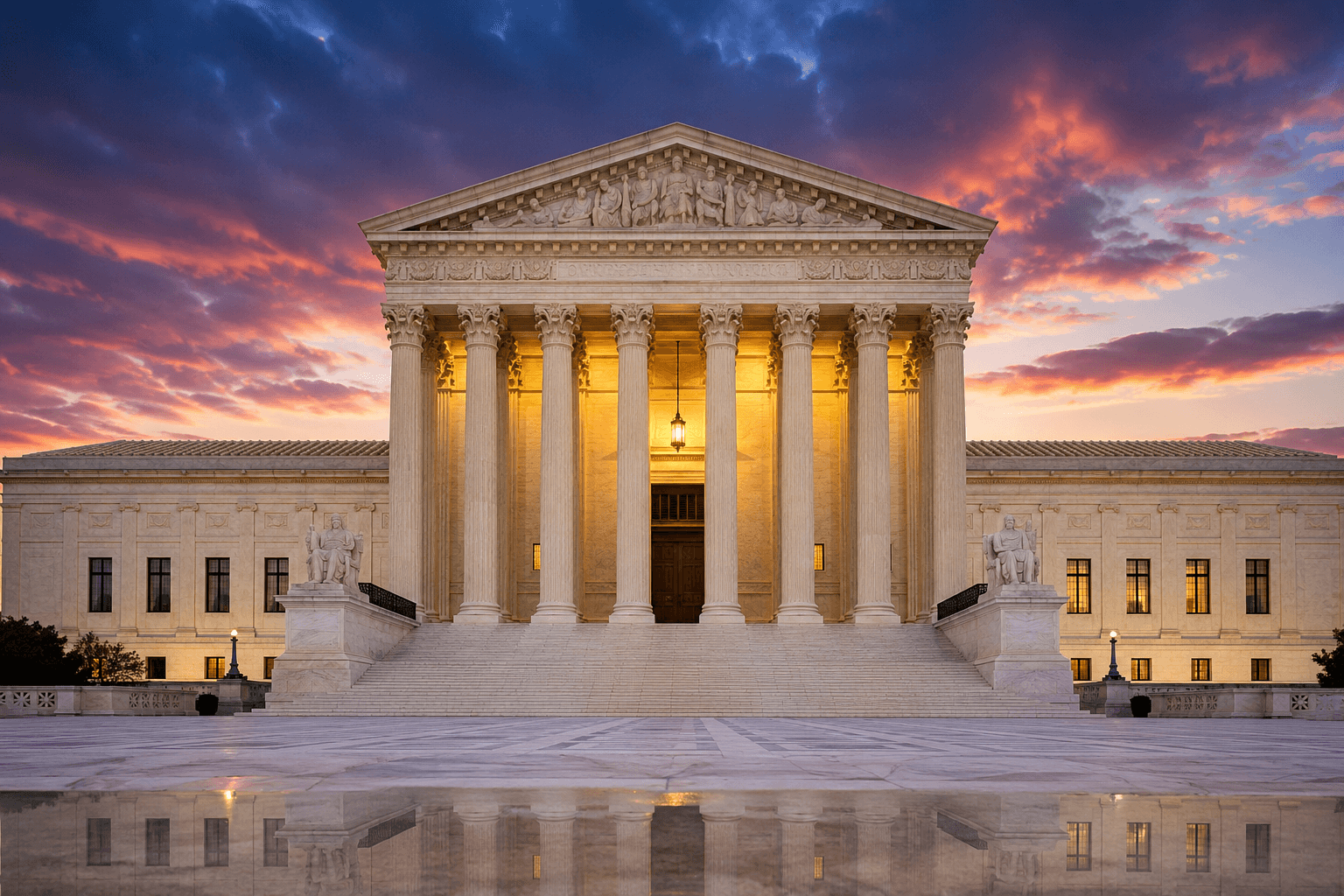

In an era where information travels instantly and legal decisions can shape the future of an entire nation, access to accurate and reliable coverage of the United States Supreme Court has never been more important. Among the many legal news sources available today, SCOTUSblog stands out as one of the most respected and influential platforms dedicated to covering the Supreme Court of the United States.
For lawyers, journalists, students, policymakers, and citizens interested in constitutional law, SCOTUSblog has become an indispensable resource. The website provides comprehensive reporting, expert analysis, case previews, opinion summaries, and educational content that help readers understand some of the most significant legal issues facing the country.
This article explores the history of SCOTUSblog, its role in legal journalism, its influence on public understanding of Supreme Court decisions, and why it continues to be one of the most trusted sources for Supreme Court coverage.
What Is SCOTUSblog?
SCOTUSblog is a legal news website dedicated to covering the activities and decisions of the Supreme Court of the United States. The term “SCOTUS” is a commonly used acronym for the Supreme Court of the United States, while “blog” reflects the site’s origins as an online publication focused on legal reporting.
Unlike general news organizations that cover a broad range of topics, SCOTUSblog specializes almost exclusively in Supreme Court matters. This focus allows the platform to provide detailed analysis and expert commentary that may not be available elsewhere.
The website has earned a reputation for delivering timely, accurate, and accessible information about Supreme Court proceedings.
The History of SCOTUSblog
SCOTUSblog was founded in 2002 by attorneys Tom Goldstein and Amy Howe. Initially created as a resource for legal professionals and clients, the site quickly evolved into a major source of Supreme Court news and analysis.
As public interest in Supreme Court decisions increased, SCOTUSblog expanded its coverage and audience. Over time, it attracted readers from across the legal community, media industry, academic institutions, and the general public.
Today, SCOTUSblog is widely recognized as one of the most authoritative sources for Supreme Court information.
Why the Supreme Court Matters
The Supreme Court is the highest judicial authority in the United States. Its decisions can affect virtually every aspect of American life, including civil rights, voting laws, business regulations, criminal justice, healthcare, education, and constitutional interpretation.
Because Supreme Court rulings often establish legal precedents that influence future cases, understanding the Court’s work is essential for anyone interested in law and public policy.
SCOTUSblog helps bridge the gap between complex legal proceedings and public understanding.
Comprehensive Case Coverage
One of SCOTUSblog’s most valuable features is its detailed case coverage.
The site regularly publishes:
- Case previews
- Oral argument summaries
- Opinion analyses
- Case updates
- Legal commentary
- Emergency application coverage
This comprehensive approach allows readers to follow important cases from initial filings through final decisions.
Making Complex Law Accessible
Supreme Court cases often involve highly technical legal concepts and constitutional questions.
SCOTUSblog is known for translating complex legal issues into language that non-lawyers can understand.
By presenting information clearly and objectively, the platform helps readers grasp the significance of major legal developments without requiring extensive legal training.
This accessibility has contributed significantly to the site’s popularity.
Opinion Summaries and Analysis
When the Supreme Court issues decisions, SCOTUSblog frequently publishes summaries and analyses shortly afterward.
These articles explain the Court’s reasoning, identify key legal principles, and discuss potential implications.
Rather than simply reporting outcomes, the site helps readers understand why decisions matter and how they may affect future legal disputes.
This analytical depth distinguishes SCOTUSblog from many traditional news sources.
Coverage During Supreme Court Term
The Supreme Court’s annual term generates significant attention from legal observers.
SCOTUSblog provides extensive coverage throughout the term, including updates on newly accepted cases, oral arguments, and major rulings.
Readers can follow developments as they occur, making the site an essential resource during periods of heightened judicial activity.
Educational Resources
Beyond news reporting, SCOTUSblog serves an educational function.
The website provides resources that help students, teachers, researchers, and citizens learn more about the Supreme Court and the American legal system.
Educational content often includes:
- Case explanations
- Judicial profiles
- Legal terminology guides
- Court procedure overviews
- Historical context
These resources make the Court more accessible to a broader audience.
Importance for Journalists
Journalists frequently rely on SCOTUSblog as a trusted source for Supreme Court reporting.
Its reputation for accuracy and speed has made it a valuable reference point for news organizations covering legal affairs.
Because Supreme Court cases can have far-reaching consequences, reliable reporting is essential.
SCOTUSblog’s expertise helps ensure that complex legal stories are reported responsibly.
Influence on Legal Community
Lawyers, judges, academics, and legal scholars regularly consult SCOTUSblog for insights into Supreme Court developments.
The site’s detailed analyses and comprehensive coverage contribute to professional discussions about constitutional law and judicial decision-making.
Its influence extends well beyond journalism and into the broader legal profession.
Coverage of Emergency Applications
In recent years, emergency applications and expedited decisions have become increasingly important aspects of Supreme Court activity.
SCOTUSblog closely tracks these developments, helping readers understand rapidly evolving legal disputes.
This coverage provides valuable context for decisions that may receive limited attention elsewhere.
The Role of Digital Media in Legal Reporting
SCOTUSblog demonstrates how digital media can improve public access to legal information.
Traditional legal reporting often appeared in specialized publications with limited audiences. Online platforms have expanded access to legal news and educational resources.
SCOTUSblog has been a pioneer in this transformation, showing how expert reporting can reach a broad readership.
Challenges in Supreme Court Coverage
Covering the Supreme Court presents unique challenges.
Legal opinions can be lengthy, highly technical, and open to multiple interpretations. Journalists must accurately summarize complex rulings while avoiding oversimplification.
SCOTUSblog addresses these challenges by relying on legal expertise and detailed analysis.
This commitment to accuracy has strengthened its credibility.
Public Interest and Civic Engagement
Supreme Court decisions often influence major public policy debates.
As a result, public interest in the Court continues to grow.
SCOTUSblog contributes to civic engagement by providing citizens with reliable information about judicial decisions and constitutional issues.
Informed citizens are better equipped to participate in discussions about law, governance, and public policy.
The Future of SCOTUSblog
As legal issues become increasingly prominent in public life, demand for high-quality Supreme Court coverage is likely to remain strong.
SCOTUSblog is expected to continue playing a central role in informing readers about judicial developments, constitutional debates, and landmark decisions.
Advances in digital media, multimedia content, and legal education may further expand the platform’s reach and influence.
Conclusion
SCOTUSblog has established itself as one of the most trusted and influential sources of Supreme Court news and analysis in the United States. Through comprehensive reporting, expert commentary, and educational resources, the platform helps readers understand some of the most important legal decisions affecting American society.
Whether following major constitutional cases, learning about judicial procedures, or seeking reliable legal journalism, readers continue to turn to SCOTUSblog for accurate and insightful coverage. As the Supreme Court remains a central institution in American democracy, SCOTUSblog’s role in informing the public will remain both valuable and significant.





Leave a Reply